
Life Science Research Communications, Vol 2, Issue 3, 2026

Volume 2, Issue 3
2026
Life Science Research Communications [Print -Life Science Research Communications, Online -Life Science Research Communications] -
Browse Issue :
Frequency: Triannual (3 issues/year). Special issues are also published in contemporary areas from time to time.
Browse Contents:
Review Article
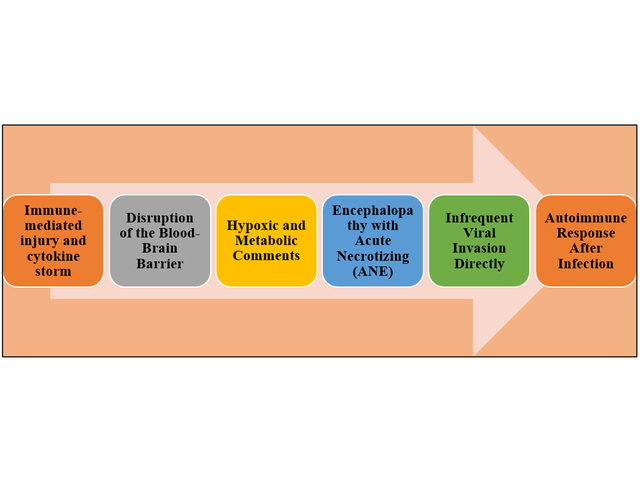
H3N2 influenza viruses are among the prevalent strains causing seasonal flu in humans. While respiratory symptoms have been the hallmark of influenza infections, neurological complications such as enc...
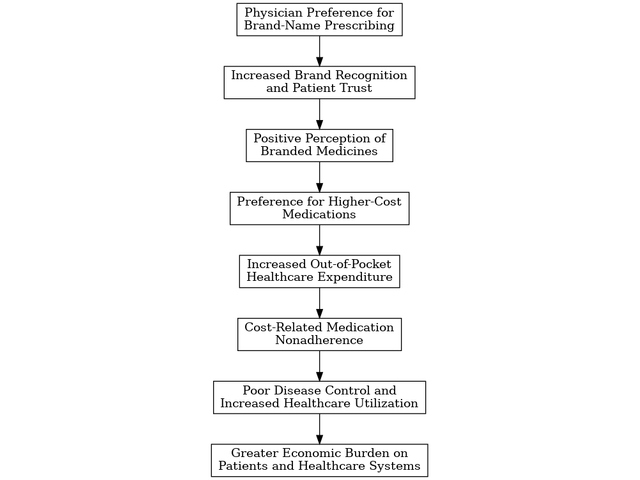
Brand name prescribing remains common in clinical practice despite the widespread availability of therapeutically equivalent generic medicines. Although generic medications undergo rigorous regulatory...
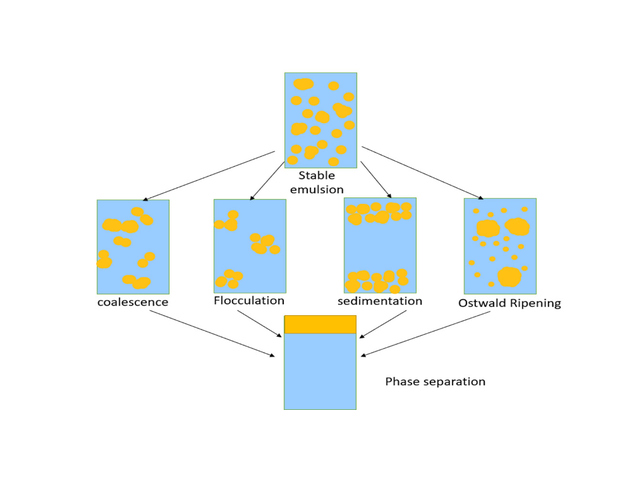
The innovative Novel Drug Delivery System (NDDS) known as nanoemulsions provide the ability of controlled or regulated drug release, biologically active ingredients, and genetical material. A nanoemul...
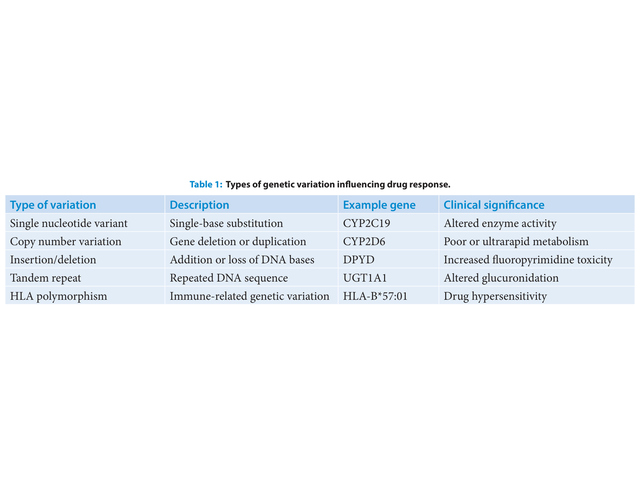
Pharmacogenomics has emerged as a cornerstone of precision medicine by providing insights into how inherited genetic variations influence individual responses to drug therapy. Genetic polymorphisms af...
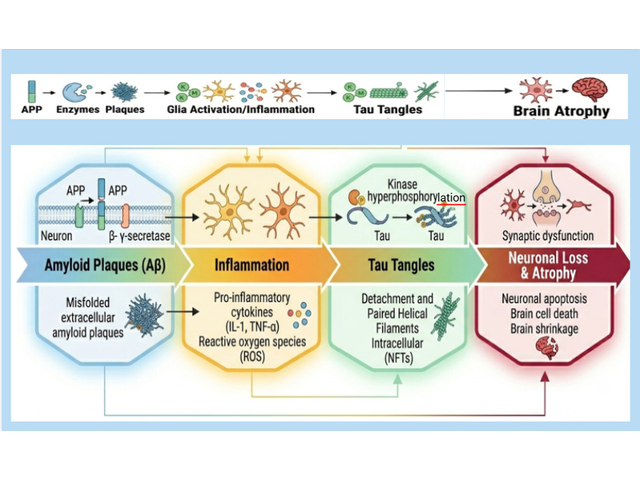
The decline of brain functions due to the neurodegenerative process occurring over time with aging is often referred to as Alzheimer's Disease (AD). This gradual breakdown of brain tissue is responsib...
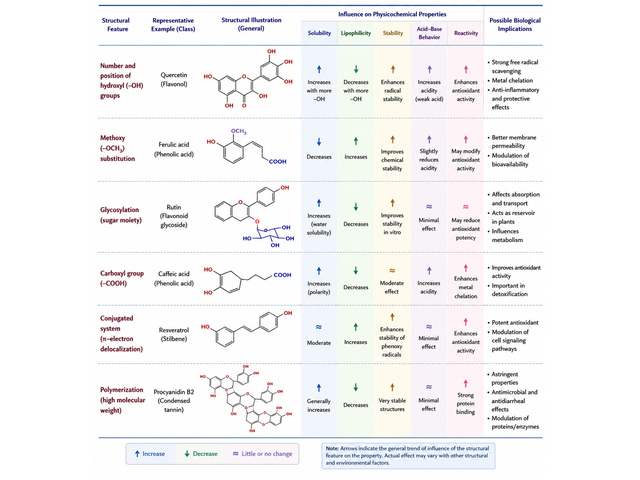
Phenolic compounds are important secondary metabolites found widely in medicinal plants. They include phenolic acids, flavonoids, tannins, stilbenes, lignans, coumarins, and related compounds. These c...
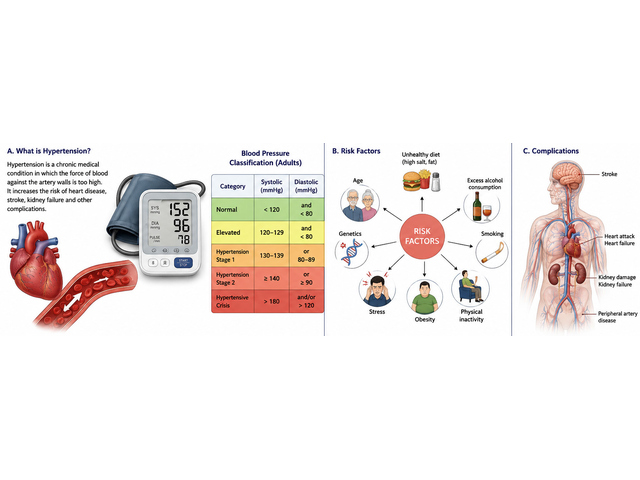
Population-level blood pressure control has hit a frustrating plateau over the past decade, and surprisingly, the bottleneck is seldom pharmacological potency-it is adherence. For the elderly, pediatr...
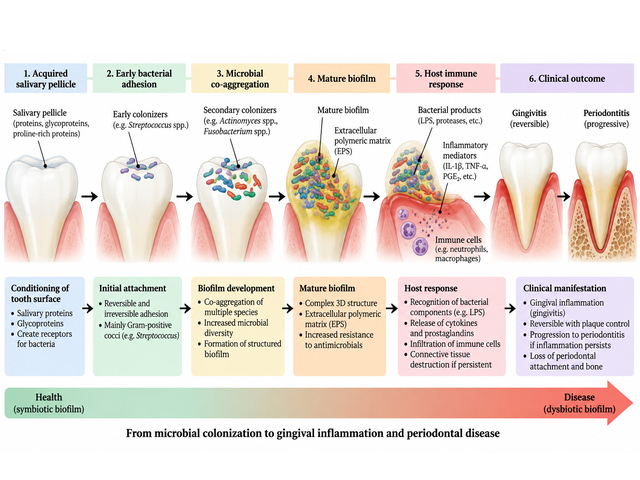
Oral diseases such as dental plaque, gingivitis, and periodontal disorders remain important global public health concerns. Dental plaque is a structured microbial biofilm that plays a major role in gi...