

Share on Mobile
Scan to access on mobile
Keywords
INTRODUCTION
MATERIALS AND METHODS
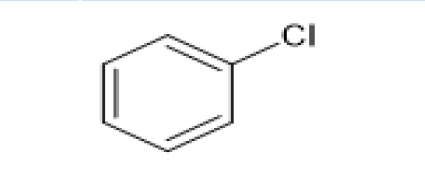
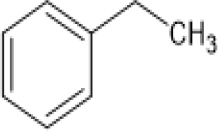
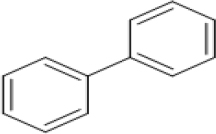
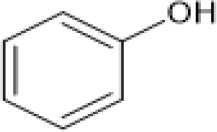
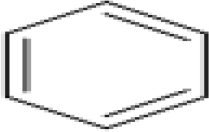
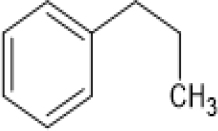
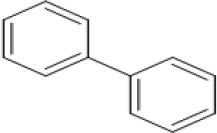
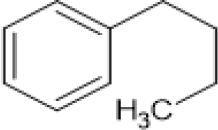
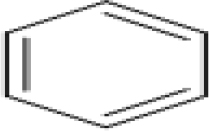
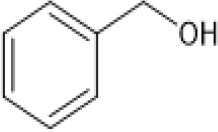
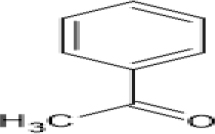
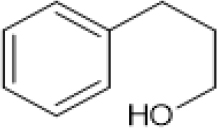
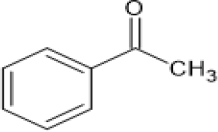
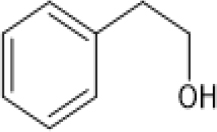
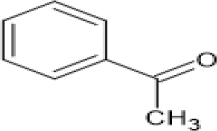
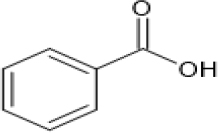
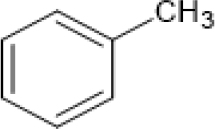
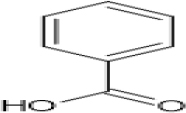
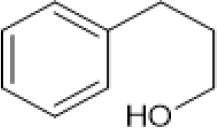
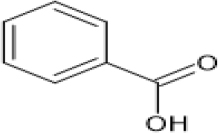
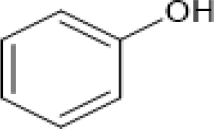
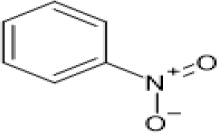
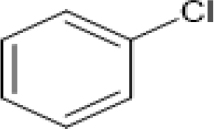
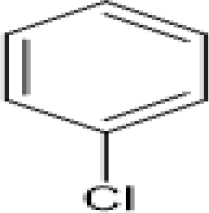
Table 1: Derivatives of designed Compound of Phenothiazin.
Comp. Code |
Ar |
R |
Comp. Code |
Ar |
R |
|---|---|---|---|---|---|
PS1 |
|
Cl |
PS16 |
|
Cl |
PS2 |
|
Cl |
PS17 |
|
Cl |
PS3 |
|
Cl |
PS18 |
|
Cl |
PS4 |
|
Cl |
PS19 |
|
Cl |
PS5 |
|
Cl |
PS42 |
|
Br |
PS6 |
|
Cl |
PS44 |
|
Br |
PS7 |
|
Cl |
PS45 |
|
Br |
PS8 |
|
Cl |
PS46 |
|
Br |
PS9 |
|
Cl |
PS47 |
|
NO2 |
PS10 |
|
Cl |
PS51 |
|
NO2 |
PS11 |
|
Cl |
PS52 |
|
NO2 |
PS12 |
|
Cl |
PS53 |
|
NO2 |
PS13 |
|
Cl |
PS54 |
|
NO2 |
PS14 |
|
Cl |
PS62 |
|
NO2 |
PS15 |
|
Cl |
PS66 |
|
NO2 |
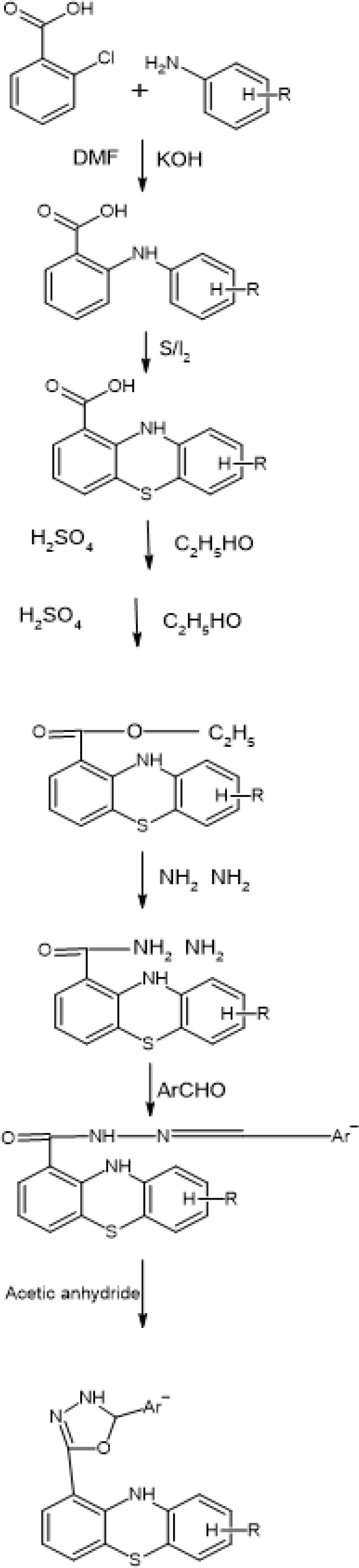
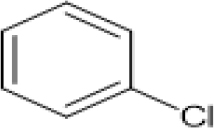
Figure 1: Scheme of Phenothiazine.
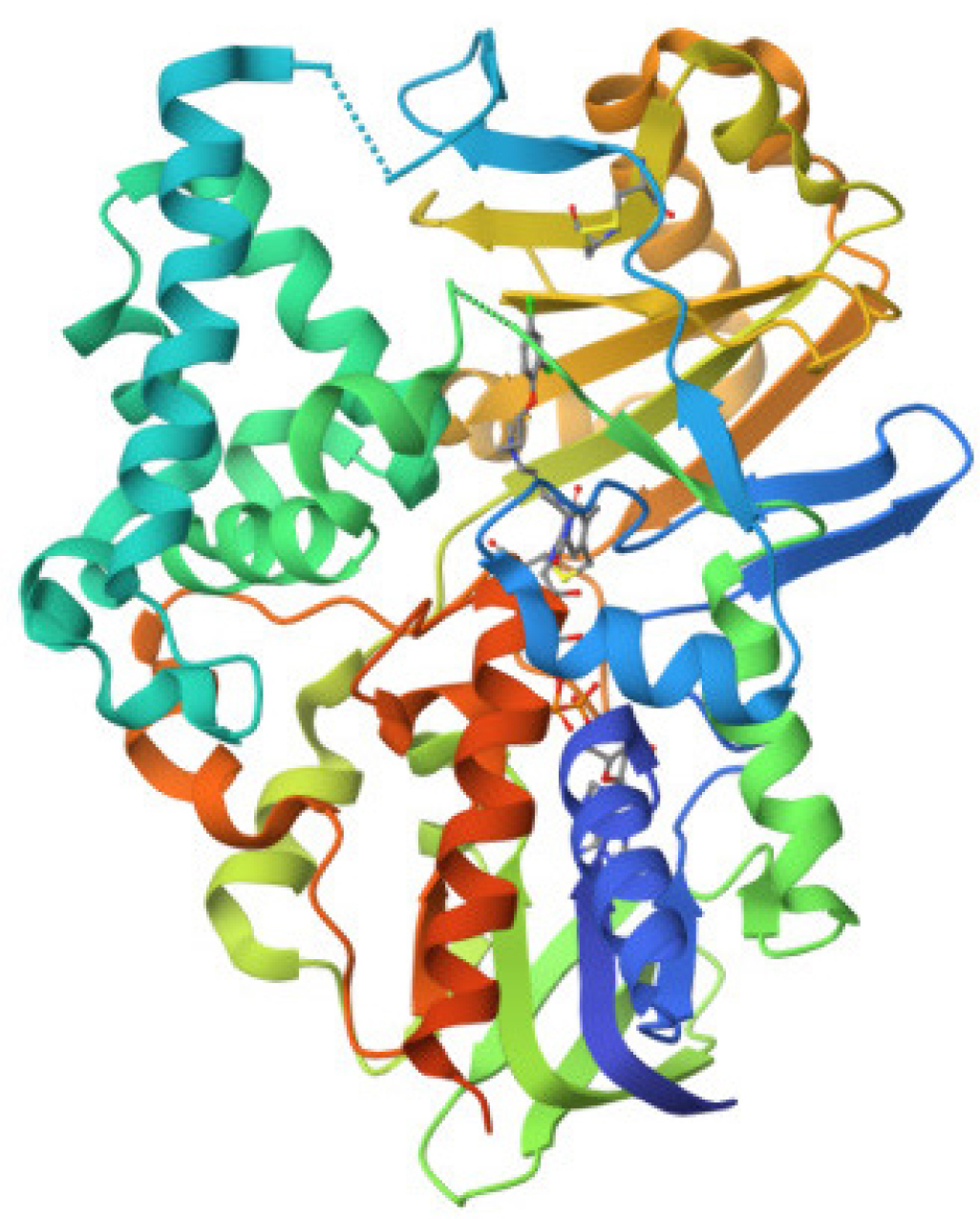
Figure 2: 3D Structure of monoamine oxidase (PDB ID: 2BXR).
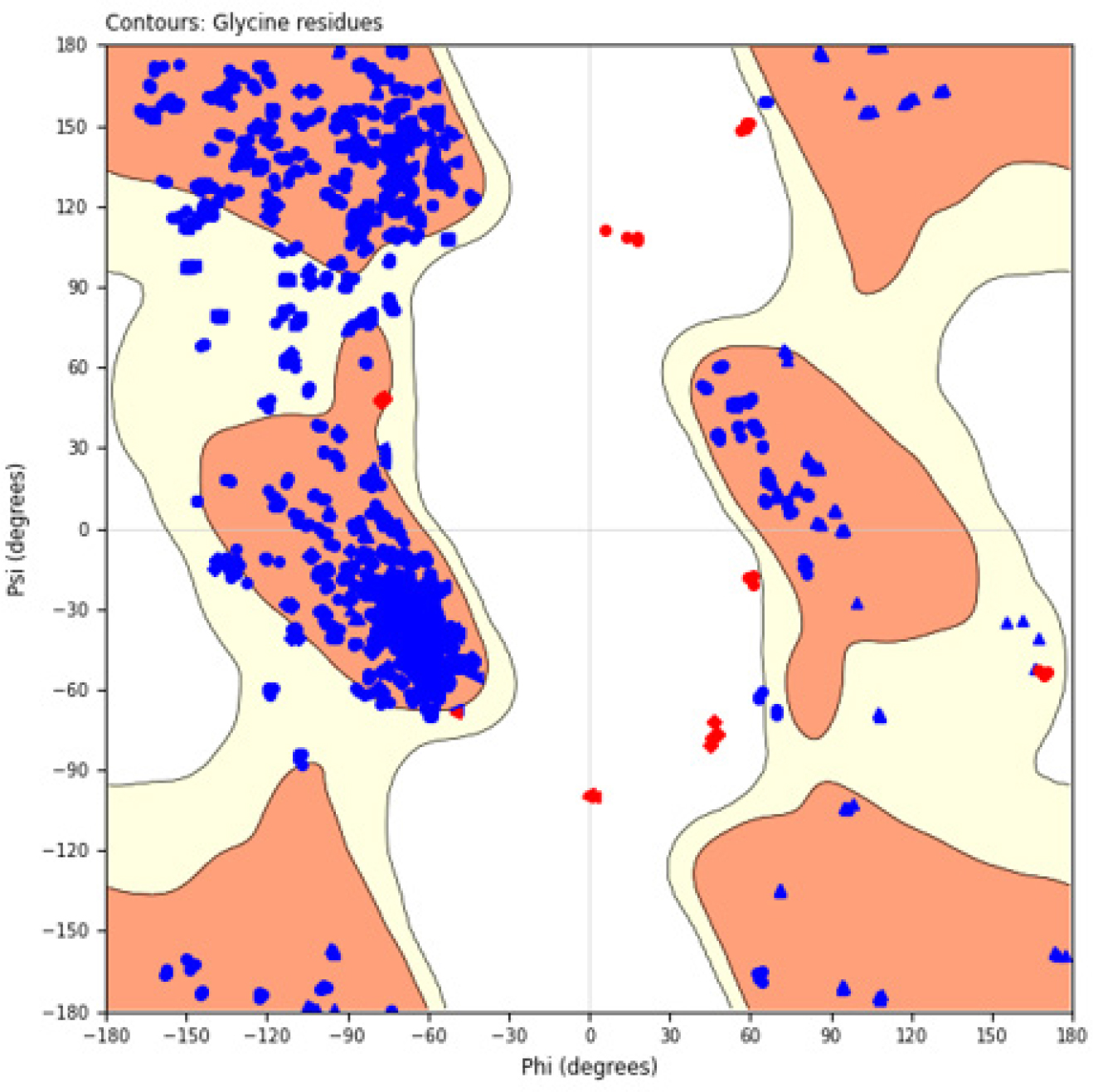
Figure 3: Ramachandran Plot.
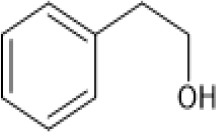
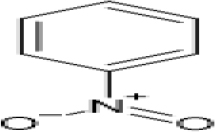
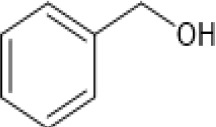
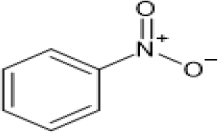
RESULTS
Table 2: Rotatable bonds; H-bond acceptors; H-bond donors; Lipinski violations; Ghose violations; Veber violations; Egan violations and Muegge violations of Phenothiazin Derivatives.
Compound. Code |
Formula |
Lipinski rule of five |
Viber’s rule |
|||||
|---|---|---|---|---|---|---|---|---|
MW |
iLOGP |
#H-bond acceptors |
#H-bond donors |
Lipinski #violations |
Rotatable bonds |
TPSA |
||
PS 1 |
C21H16ClN3OS |
393.89 |
3.65 |
2 |
2 |
1 |
2 |
70.95 |
PS 2 |
C22H18ClN3OS |
407.92 |
3.7 |
2 |
2 |
1 |
3 |
70.95 |
PS 3 |
C20H14ClN3O2S |
395.86 |
2.98 |
3 |
3 |
1 |
2 |
91.18 |
PS 4 |
C23H20ClN3OS |
421.94 |
3.87 |
2 |
2 |
1 |
4 |
70.95 |
PS 5 |
C24H22ClN3OS |
435.97 |
3.88 |
2 |
2 |
1 |
5 |
70.95 |
PS 6 |
C21H16ClN3O2S |
409.89 |
3.49 |
3 |
3 |
1 |
3 |
91.18 |
PS 7 |
C23H20ClN3O2S |
437.94 |
3.34 |
3 |
3 |
1 |
5 |
91.18 |
PS 8 |
C22H18ClN3O2S |
423.92 |
3.39 |
3 |
3 |
1 |
4 |
91.18 |
PS 9 |
C21H14ClN3O3S |
423.87 |
2.65 |
4 |
3 |
1 |
3 |
108.25 |
PS 10 |
C21H14ClN3O3S |
423.87 |
2.89 |
4 |
3 |
1 |
3 |
108.25 |
PS 11 |
C21H14ClN3O3S |
423.87 |
2.8 |
4 |
3 |
1 |
3 |
108.25 |
PS 12 |
C20H13ClN4O3S |
424.86 |
2.85 |
4 |
2 |
1 |
3 |
116.77 |
PS 13 |
C20H13ClN4O3S |
424.86 |
2.7 |
4 |
2 |
1 |
3 |
116.77 |
PS 14 |
C20H13ClN4O3S |
424.86 |
2.87 |
4 |
2 |
1 |
3 |
116.77 |
PS 15 |
C20H13Cl2N3OS |
414.31 |
3.45 |
2 |
2 |
1 |
2 |
70.95 |
PS 16 |
C20H13Cl2N3OS |
414.31 |
3.63 |
2 |
2 |
1 |
2 |
70.95 |
PS 17 |
C20H13Cl2N3OS |
414.31 |
3.7 |
2 |
2 |
1 |
2 |
70.95 |
PS 18 |
C26H18ClN3OS |
455.96 |
3.73 |
2 |
2 |
1 |
3 |
70.95 |
PS 19 |
C20H14ClN3OS |
379.86 |
3.6 |
2 |
2 |
1 |
2 |
70.95 |
PS 20 |
C26H18ClN3OS |
455.96 |
3.77 |
2 |
2 |
1 |
3 |
70.95 |
PS 21 |
C22H16ClN3O2S |
421.9 |
3.16 |
3 |
2 |
1 |
3 |
88.02 |
PS 22 |
C22H16ClN3O2S |
421.9 |
3.32 |
3 |
2 |
1 |
3 |
88.02 |
PS 23 |
C22H16ClN3O2S |
421.9 |
3.3 |
3 |
2 |
1 |
3 |
88.02 |
PS 24 |
C21H16BrN3OS |
438.34 |
3.85 |
2 |
2 |
1 |
2 |
70.95 |
PS 25 |
C22H18BrN3OS |
452.37 |
3.78 |
2 |
2 |
1 |
3 |
70.95 |
PS 26 |
C20H14BrN3O2S |
440.31 |
3 |
3 |
3 |
1 |
2 |
91.18 |
PS 27 |
C23H20BrN3OS |
466.39 |
4.03 |
2 |
2 |
1 |
4 |
70.95 |
PS 28 |
C24H22BrN3OS |
480.42 |
4.27 |
2 |
2 |
1 |
5 |
70.95 |
PS 29 |
C21H16BrN3O2S |
409.89 |
3.49 |
3 |
3 |
1 |
3 |
91.18 |
PS 30 |
C23H20BrN3O2S |
482.39 |
3.55 |
3 |
3 |
1 |
5 |
91.18 |
PS 31 |
C22H18BrN3O2S |
468.37 |
3.5 |
3 |
3 |
1 |
4 |
91.18 |
PS 32 |
C21H14BrN3O3S |
468.32 |
2.93 |
4 |
3 |
1 |
3 |
108.25 |
PS 33 |
C21H14BrN3O3S |
468.32 |
2.69 |
4 |
3 |
1 |
3 |
108.25 |
PS 34 |
C21H14BrN3O3S |
468.32 |
2.69 |
4 |
3 |
1 |
3 |
108.25 |
PS 35 |
C20H13BrN4O3S |
469.31 |
2.98 |
4 |
2 |
1 |
3 |
116.77 |
PS 36 |
C20H13BrN4O3S |
469.31 |
2.8 |
4 |
2 |
1 |
3 |
116.77 |
PS 37 |
C20H13BrN4O3S |
469.31 |
2.94 |
4 |
2 |
1 |
3 |
116.77 |
PS 38 |
C20H13BrClN3OS |
458.76 |
3.58 |
2 |
2 |
1 |
2 |
70.95 |
PS 39 |
C20H13BrClN3OS |
458.76 |
3.68 |
2 |
2 |
1 |
2 |
70.95 |
PS 40 |
C20H14Br2ClN3OS |
539.67 |
0 |
2 |
2 |
2 |
2 |
70.95 |
PS 41 |
C26H19Br2N3OS |
581.32 |
0 |
2 |
2 |
2 |
3 |
70.95 |
PS 42 |
C20H14BrN3OS |
424.31 |
3.71 |
2 |
2 |
1 |
2 |
70.95 |
PS 43 |
C26H18BrN3OS |
500.41 |
3.8 |
2 |
2 |
2 |
3 |
70.95 |
PS 44 |
C22H16BrN3O2S |
466.35 |
3.27 |
3 |
2 |
1 |
3 |
88.02 |
PS 45 |
C22H16BrN3O2S |
466.35 |
3.38 |
3 |
2 |
1 |
3 |
88.02 |
PS 46 |
C22H16BrN3O2S |
466.35 |
3.39 |
3 |
2 |
1 |
3 |
88.02 |
PS 47 |
C22H17N3O3S |
403.45 |
2.99 |
3 |
2 |
0 |
3 |
104.41 |
PS 48 |
C23H19N3O3S |
417.48 |
3.24 |
3 |
2 |
1 |
4 |
104.41 |
PS 49 |
C24H21N3O3S |
431.51 |
3.43 |
3 |
2 |
1 |
5 |
104.41 |
PS 50 |
C25H23N3O3S |
445.53 |
3.83 |
3 |
2 |
1 |
6 |
104.41 |
PS 51 |
C24H21N3O4S |
447.51 |
3.18 |
4 |
3 |
0 |
6 |
124.64 |
PS 52 |
C23H19N3O4S |
433.48 |
3.02 |
4 |
3 |
0 |
5 |
124.64 |
PS 53 |
C22H17N3O4S |
419.45 |
2.87 |
4 |
3 |
0 |
4 |
124.64 |
PS 54 |
C21H15N3O4S |
405.43 |
2.16 |
4 |
3 |
0 |
3 |
124.64 |
PS 55 |
C22H15N3O5S |
433.44 |
2.55 |
5 |
3 |
0 |
4 |
141.71 |
PS 56 |
C22H15N3O5S |
433.44 |
2.26 |
5 |
3 |
0 |
4 |
141.71 |
PS 57 |
C22H15N3O5S |
433.44 |
1.93 |
5 |
3 |
0 |
4 |
141.71 |
PS 58 |
C21H14N4O5S |
434.42 |
2.55 |
5 |
2 |
0 |
4 |
150.23 |
PS 59 |
C21H14N4O5S |
434.42 |
2.65 |
5 |
2 |
0 |
4 |
150.23 |
PS 60 |
C21H14N4O5S |
434.42 |
2.58 |
5 |
2 |
0 |
4 |
150.23 |
PS 61 |
C21H14ClN3O3S |
423.87 |
2.98 |
3 |
2 |
1 |
3 |
104.41 |
PS 62 |
C21H14ClN3O3S |
423.87 |
2.9 |
3 |
2 |
1 |
3 |
104.41 |
PS63 |
C23H17N3O4S |
431.46 |
2.9 |
4 |
2 |
0 |
4 |
121.48 |
PS 64 |
C23H17N3O4S |
431.46 |
2.7 |
4 |
2 |
0 |
4 |
121.48 |
PS 65 |
C23H17N3O4S |
431.46 |
2.66 |
4 |
2 |
0 |
4 |
121.48 |
PS 66 |
C21H14ClN3O3S |
423.87 |
2.77 |
3 |
2 |
1 |
3 |
104.41 |
PS 67 |
C27H19N3O3S |
465.52 |
3.73 |
3 |
2 |
1 |
4 |
104.41 |
PS 68 |
C27H19N3O3S |
465.52 |
3.57 |
3 |
2 |
1 |
4 |
104.41 |
PS 69 |
C21H15N3O3S |
389.43 |
2.9 |
3 |
2 |
0 |
3 |
104.41 |
Table 3: In silico ADMET of Phenothiazin derivatives.
Comp code |
GI absorption |
BBB permeant |
Pgp substrate |
CYP1A2 inhibitor |
CYP2C19 inhibitor |
CYP2C9 inhibitor |
CYP2D6 inhibitor |
CYP3A4 inhibitor |
Lipinski #violations |
Ghose |
Veber |
Egan |
Muegge |
Bioavailability Score |
|---|---|---|---|---|---|---|---|---|---|---|---|---|---|---|
PS 1 |
High |
Yes |
Yes |
Yes |
Yes |
Yes |
No |
Yes |
1 |
0 |
0 |
0 |
1 |
0.55 |
PS 2 |
High |
Yes |
Yes |
Yes |
Yes |
Yes |
No |
Yes |
1 |
0 |
0 |
0 |
1 |
0.55 |
PS 3 |
High |
No |
No |
No |
Yes |
Yes |
No |
Yes |
1 |
0 |
0 |
0 |
1 |
0.55 |
PS 4 |
High |
No |
Yes |
Yes |
Yes |
Yes |
Yes |
Yes |
1 |
0 |
0 |
0 |
1 |
0.55 |
PS 5 |
High |
No |
Yes |
Yes |
Yes |
Yes |
Yes |
Yes |
1 |
1 |
0 |
0 |
1 |
0.55 |
PS 6 |
High |
No |
Yes |
Yes |
Yes |
Yes |
Yes |
Yes |
1 |
0 |
0 |
0 |
0 |
0.55 |
PS 7 |
High |
No |
Yes |
Yes |
Yes |
Yes |
Yes |
Yes |
1 |
1 |
0 |
0 |
1 |
0.55 |
PS 8 |
High |
No |
Yes |
Yes |
Yes |
Yes |
Yes |
Yes |
1 |
0 |
0 |
0 |
1 |
0.55 |
PS 9 |
High |
No |
No |
No |
No |
Yes |
No |
No |
1 |
0 |
0 |
0 |
1 |
0.56 |
PS 10 |
High |
No |
No |
No |
No |
Yes |
No |
No |
1 |
0 |
0 |
0 |
1 |
0.56 |
PS 11 |
High |
No |
No |
No |
No |
Yes |
No |
No |
1 |
0 |
0 |
0 |
1 |
0.56 |
PS 12 |
High |
No |
No |
No |
Yes |
Yes |
No |
No |
1 |
0 |
0 |
0 |
1 |
0.55 |
PS 13 |
High |
No |
No |
No |
Yes |
Yes |
No |
No |
1 |
0 |
0 |
0 |
1 |
0.55 |
PS 14 |
High |
No |
No |
No |
Yes |
Yes |
No |
No |
1 |
0 |
0 |
0 |
1 |
0.55 |
PS 15 |
High |
Yes |
Yes |
Yes |
Yes |
Yes |
No |
No |
1 |
0 |
0 |
0 |
1 |
0.55 |
PS 16 |
High |
Yes |
Yes |
Yes |
Yes |
Yes |
No |
No |
1 |
0 |
0 |
0 |
1 |
0.55 |
PS 17 |
High |
Yes |
No |
Yes |
Yes |
Yes |
No |
No |
1 |
0 |
0 |
0 |
1 |
0.55 |
PS 18 |
High |
No |
No |
Yes |
Yes |
Yes |
No |
No |
1 |
2 |
0 |
0 |
1 |
0.55 |
PS 19 |
High |
Yes |
No |
Yes |
Yes |
Yes |
No |
Yes |
1 |
0 |
0 |
0 |
1 |
0.55 |
PS 20 |
High |
No |
No |
Yes |
Yes |
Yes |
No |
No |
1 |
2 |
0 |
0 |
1 |
0.55 |
PS 21 |
High |
No |
No |
No |
Yes |
Yes |
No |
Yes |
1 |
0 |
0 |
0 |
1 |
0.55 |
PS 22 |
High |
No |
No |
Yes |
Yes |
Yes |
No |
Yes |
1 |
0 |
0 |
0 |
1 |
0.55 |
PS 23 |
High |
No |
No |
Yes |
Yes |
Yes |
No |
Yes |
1 |
0 |
0 |
0 |
1 |
0.55 |
PS 24 |
High |
Yes |
Yes |
Yes |
Yes |
Yes |
No |
No |
1 |
0 |
0 |
0 |
1 |
0.55 |
PS 25 |
High |
Yes |
Yes |
Yes |
Yes |
Yes |
No |
Yes |
1 |
0 |
0 |
0 |
1 |
0.55 |
PS 26 |
High |
No |
No |
No |
No |
Yes |
No |
Yes |
1 |
0 |
0 |
0 |
1 |
0.55 |
PS 27 |
High |
No |
Yes |
Yes |
Yes |
Yes |
Yes |
Yes |
1 |
1 |
0 |
0 |
1 |
0.55 |
PS 28 |
High |
No |
Yes |
Yes |
No |
Yes |
Yes |
Yes |
1 |
2 |
0 |
0 |
1 |
0.55 |
PS 29 |
High |
No |
Yes |
Yes |
Yes |
Yes |
Yes |
Yes |
1 |
0 |
0 |
0 |
0 |
0.55 |
PS 30 |
High |
No |
Yes |
Yes |
No |
Yes |
Yes |
Yes |
1 |
2 |
0 |
0 |
1 |
0.55 |
PS 31 |
High |
No |
Yes |
Yes |
No |
Yes |
Yes |
Yes |
1 |
0 |
0 |
0 |
1 |
0.55 |
PS 32 |
High |
No |
No |
No |
No |
Yes |
No |
No |
1 |
0 |
0 |
0 |
1 |
0.56 |
PS 33 |
High |
No |
No |
No |
No |
Yes |
No |
No |
1 |
0 |
0 |
0 |
1 |
0.56 |
PS 34 |
High |
No |
No |
No |
No |
Yes |
No |
No |
1 |
0 |
0 |
0 |
1 |
0.56 |
PS 35 |
High |
No |
No |
No |
Yes |
Yes |
No |
No |
1 |
0 |
0 |
0 |
1 |
0.55 |
PS 36 |
High |
No |
No |
No |
Yes |
Yes |
No |
No |
1 |
0 |
0 |
0 |
1 |
0.55 |
PS 37 |
High |
No |
No |
No |
Yes |
Yes |
No |
No |
1 |
0 |
0 |
0 |
1 |
0.55 |
PS 38 |
High |
No |
No |
Yes |
Yes |
Yes |
No |
No |
1 |
0 |
0 |
0 |
1 |
0.55 |
PS 39 |
High |
No |
No |
Yes |
Yes |
Yes |
No |
No |
1 |
0 |
0 |
0 |
1 |
0.55 |
PS 40 |
High |
No |
Yes |
Yes |
No |
No |
No |
No |
2 |
3 |
0 |
0 |
1 |
0.17 |
PS 41 |
Low |
No |
Yes |
Yes |
Yes |
No |
No |
No |
2 |
3 |
0 |
1 |
1 |
0.17 |
PS 42 |
High |
Yes |
No |
Yes |
Yes |
Yes |
No |
Yes |
1 |
0 |
0 |
0 |
1 |
0.55 |
PS 43 |
High |
No |
No |
Yes |
Yes |
No |
No |
No |
2 |
3 |
0 |
0 |
1 |
0.17 |
PS 44 |
High |
No |
No |
Yes |
Yes |
Yes |
No |
Yes |
1 |
0 |
0 |
0 |
1 |
0.55 |
PS 45 |
High |
No |
No |
Yes |
Yes |
Yes |
No |
Yes |
1 |
0 |
0 |
0 |
1 |
0.55 |
PS 46 |
High |
No |
No |
Yes |
Yes |
Yes |
No |
Yes |
1 |
0 |
0 |
0 |
1 |
0.55 |
PS 47 |
High |
No |
Yes |
Yes |
Yes |
Yes |
No |
Yes |
0 |
0 |
0 |
0 |
1 |
0.55 |
PS 48 |
High |
No |
No |
Yes |
Yes |
Yes |
No |
Yes |
1 |
0 |
0 |
0 |
1 |
0.55 |
PS 49 |
High |
No |
No |
Yes |
Yes |
Yes |
No |
Yes |
1 |
1 |
0 |
0 |
1 |
0.55 |
PS 50 |
Low |
No |
Yes |
Yes |
Yes |
Yes |
Yes |
Yes |
1 |
2 |
0 |
0 |
1 |
0.55 |
PS 51 |
Low |
No |
Yes |
Yes |
Yes |
Yes |
Yes |
Yes |
0 |
1 |
0 |
0 |
0 |
0.55 |
PS 52 |
High |
No |
Yes |
Yes |
Yes |
Yes |
Yes |
Yes |
0 |
0 |
0 |
0 |
0 |
0.55 |
PS 53 |
High |
No |
Yes |
Yes |
Yes |
Yes |
No |
Yes |
0 |
0 |
0 |
0 |
0 |
0.55 |
PS 54 |
High |
No |
Yes |
Yes |
Yes |
Yes |
No |
Yes |
0 |
0 |
0 |
0 |
0 |
0.55 |
PS 55 |
Low |
No |
No |
Yes |
Yes |
Yes |
No |
No |
0 |
0 |
1 |
1 |
0 |
0.56 |
PS 56 |
Low |
No |
No |
Yes |
Yes |
Yes |
No |
No |
0 |
0 |
1 |
1 |
0 |
0.56 |
PS 57 |
Low |
No |
No |
Yes |
Yes |
Yes |
No |
No |
0 |
0 |
1 |
1 |
0 |
0.56 |
PS 58 |
Low |
No |
No |
Yes |
Yes |
Yes |
No |
Yes |
0 |
0 |
1 |
1 |
1 |
0.55 |
PS 59 |
Low |
No |
No |
No |
Yes |
Yes |
No |
No |
0 |
0 |
1 |
1 |
1 |
0.55 |
PS 60 |
Low |
No |
No |
Yes |
Yes |
Yes |
No |
Yes |
0 |
0 |
1 |
1 |
1 |
0.55 |
PS 61 |
High |
No |
No |
Yes |
Yes |
Yes |
No |
Yes |
1 |
0 |
0 |
0 |
1 |
0.55 |
PS 62 |
High |
No |
No |
Yes |
Yes |
Yes |
No |
Yes |
1 |
0 |
0 |
0 |
1 |
0.55 |
PS63 |
Low |
No |
No |
Yes |
Yes |
Yes |
No |
Yes |
0 |
0 |
0 |
0 |
0 |
0.55 |
PS 64 |
Low |
No |
No |
Yes |
Yes |
Yes |
No |
Yes |
0 |
0 |
0 |
0 |
0 |
0.55 |
PS 65 |
Low |
No |
No |
Yes |
Yes |
Yes |
No |
Yes |
0 |
0 |
0 |
0 |
0 |
0.55 |
PS 66 |
High |
No |
No |
Yes |
Yes |
Yes |
No |
Yes |
1 |
0 |
0 |
0 |
1 |
0.55 |
PS 67 |
Low |
No |
No |
No |
Yes |
Yes |
No |
No |
1 |
2 |
0 |
1 |
1 |
0.55 |
PS 68 |
Low |
No |
No |
No |
Yes |
Yes |
No |
No |
1 |
2 |
0 |
1 |
1 |
0.55 |
PS 69 |
High |
No |
Yes |
Yes |
Yes |
Yes |
No |
Yes |
0 |
0 |
0 |
0 |
1 |
0.55 |
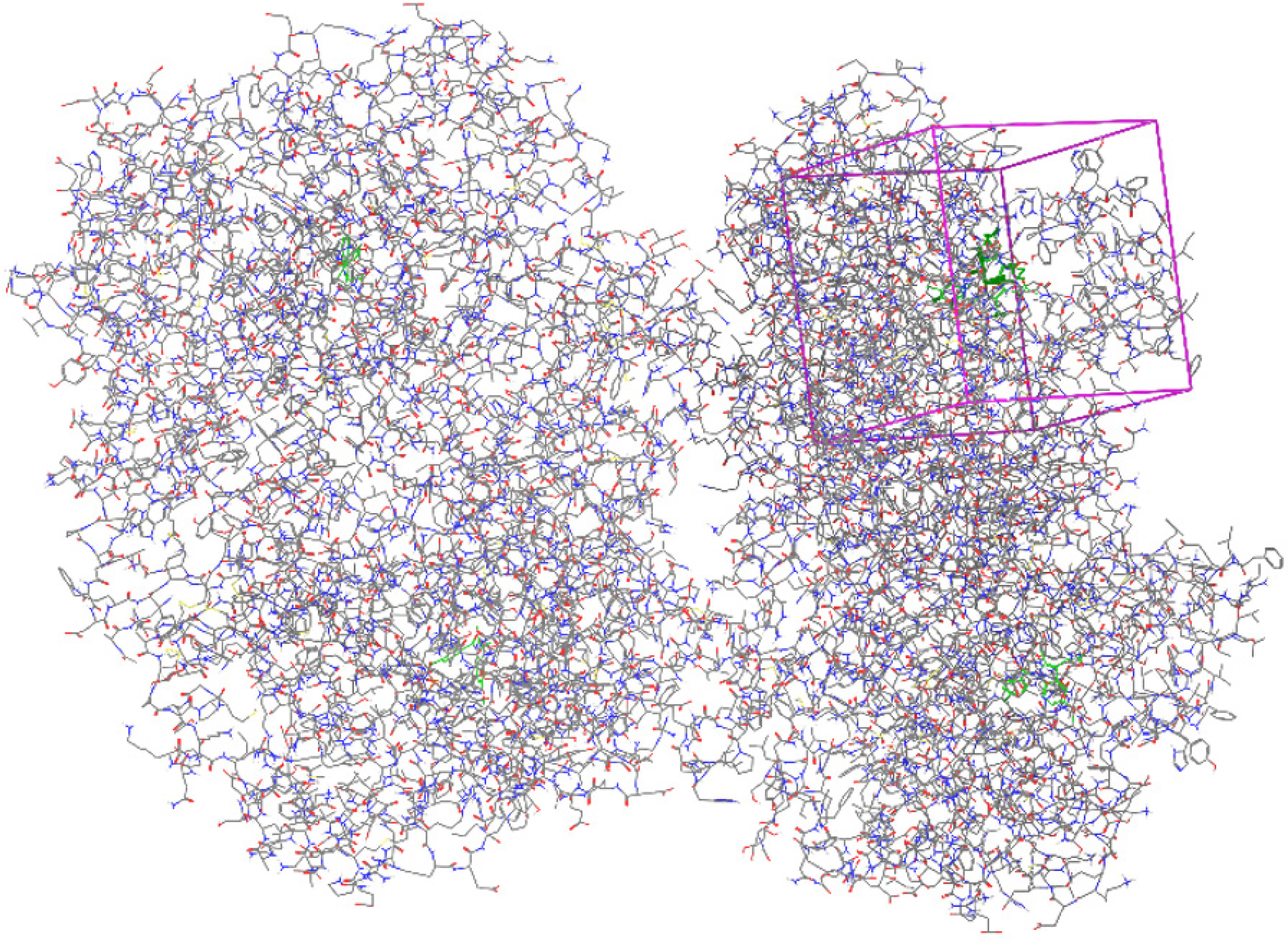
Figure 4: Receptor Grid Generation Wizard.
DISCUSSION
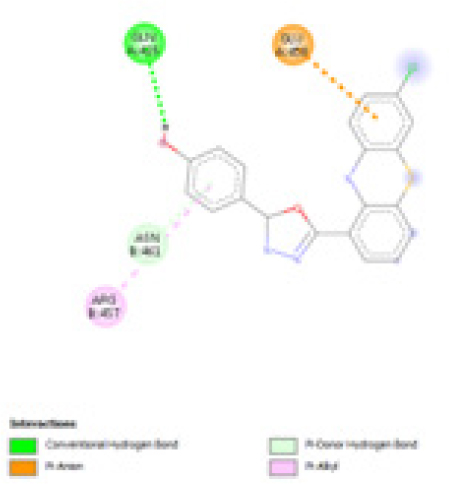
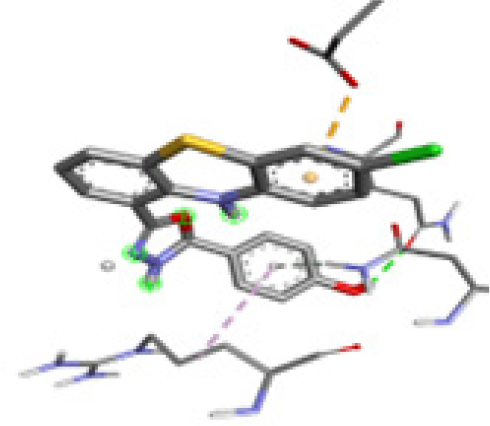
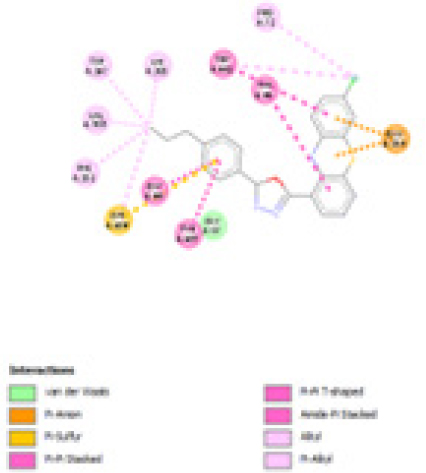
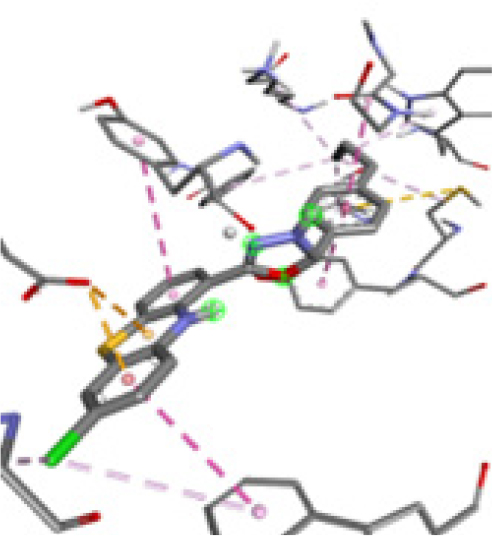
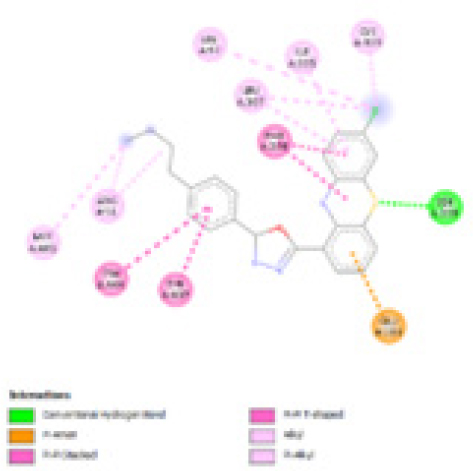
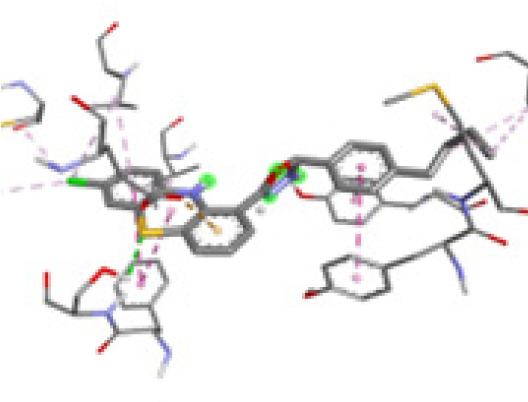
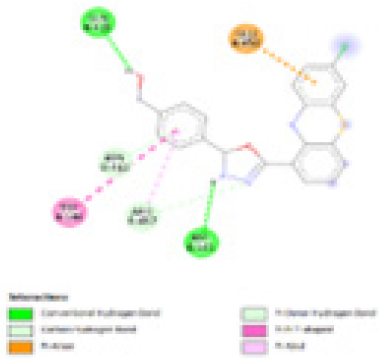
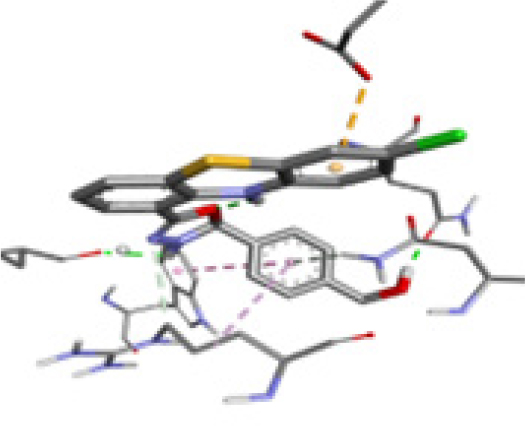
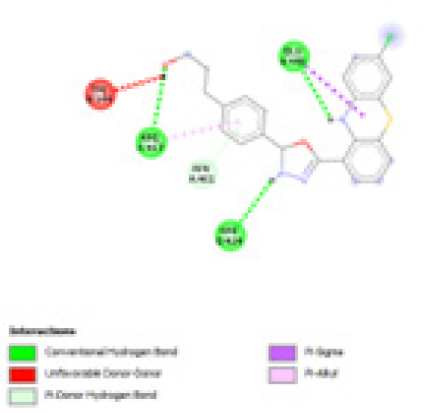
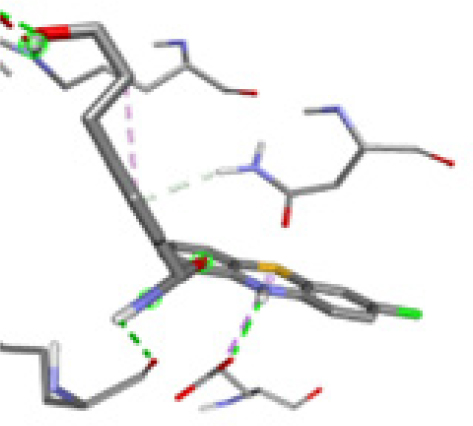
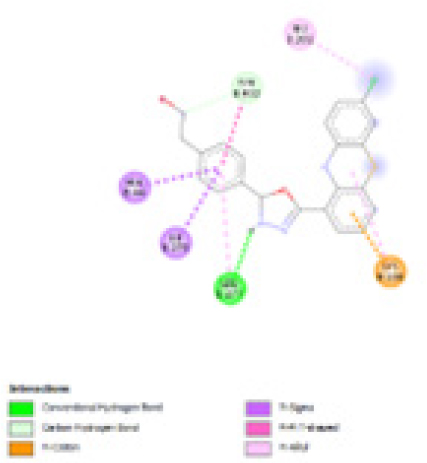
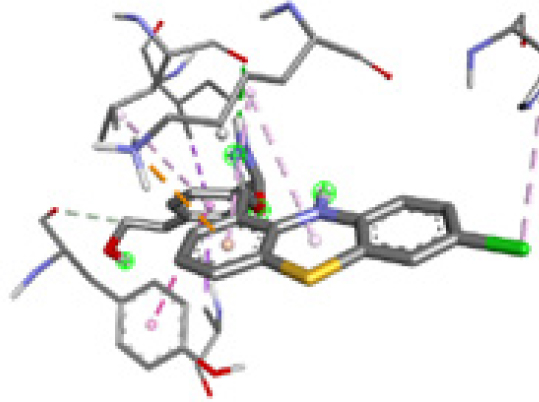
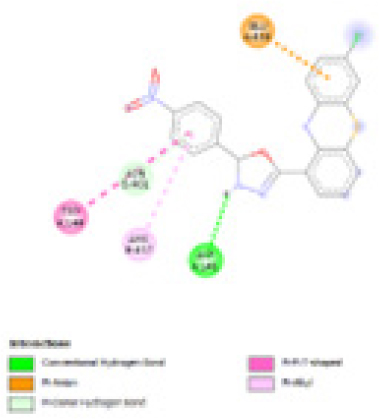
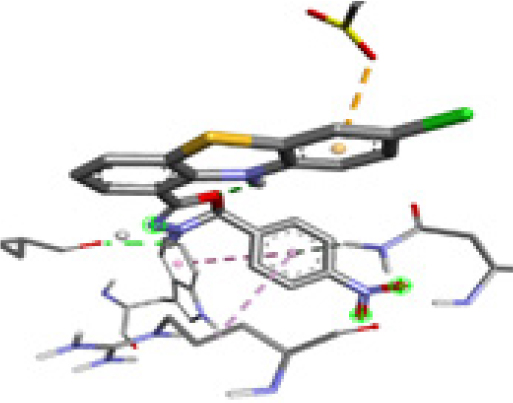
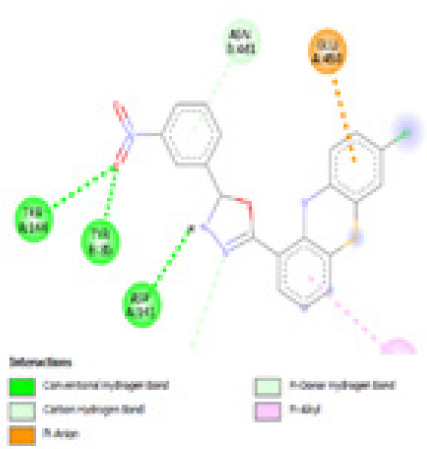
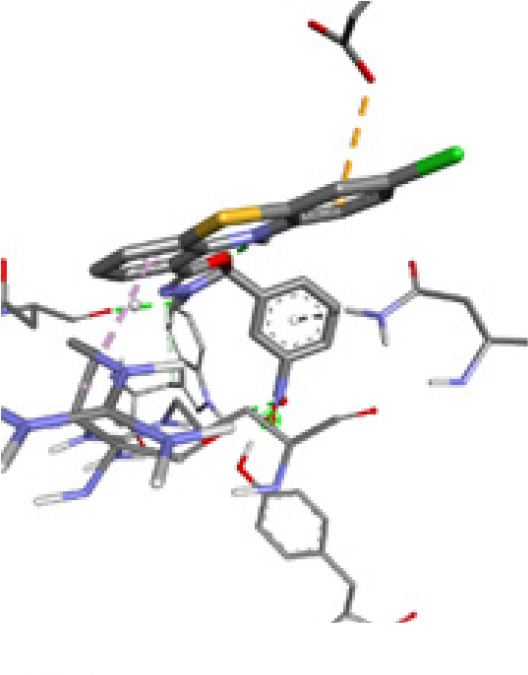
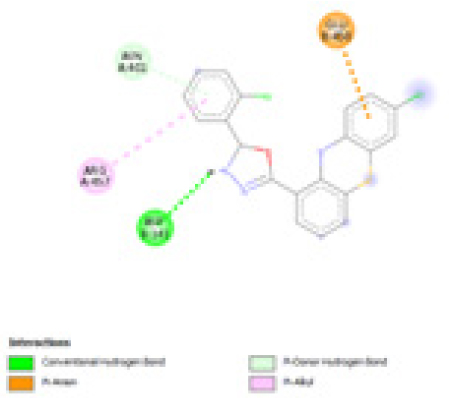
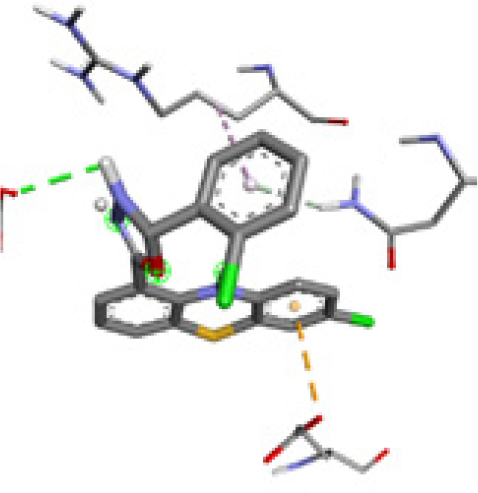
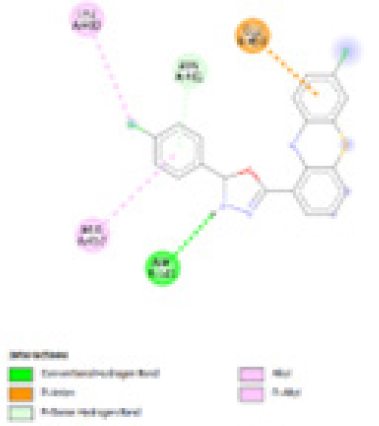
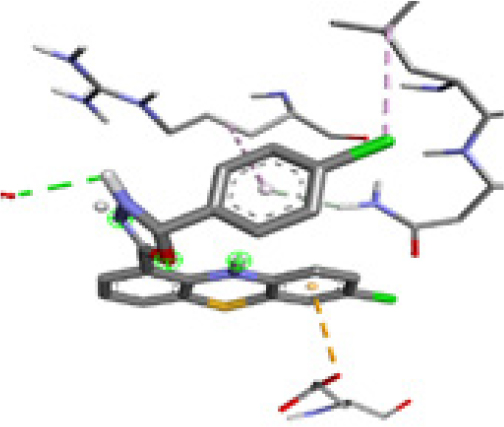
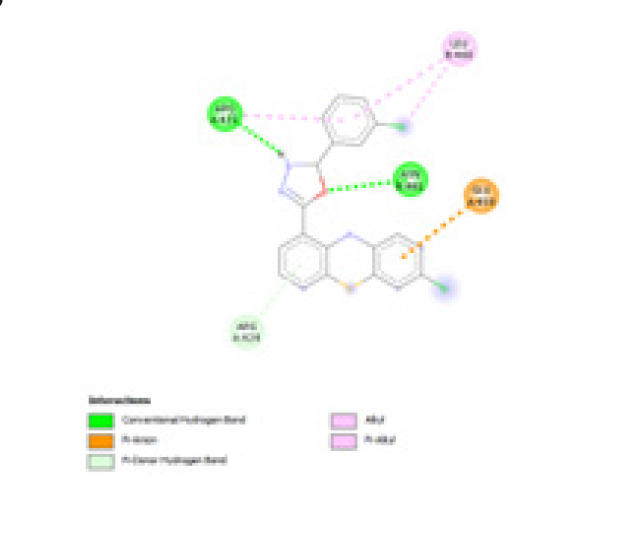
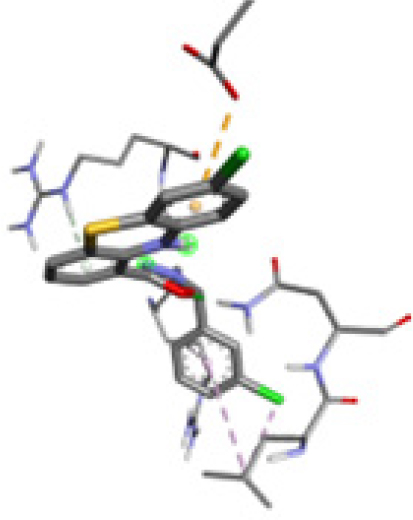
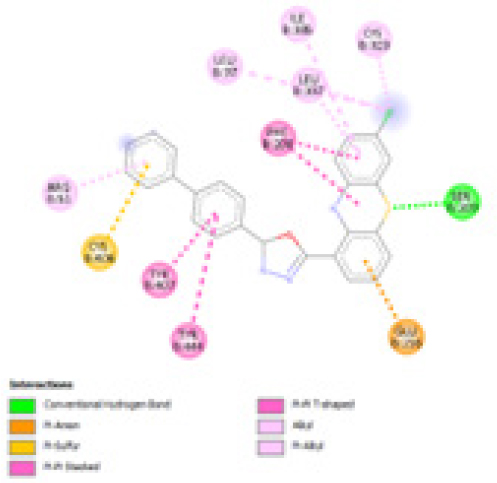
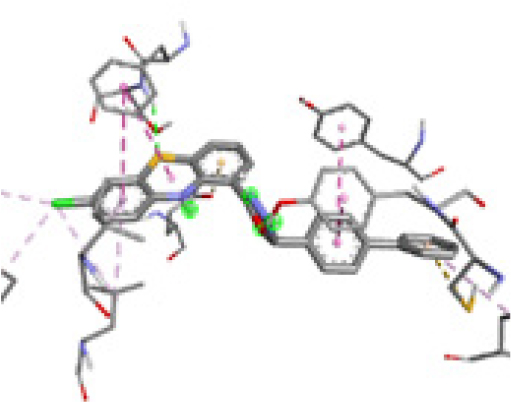
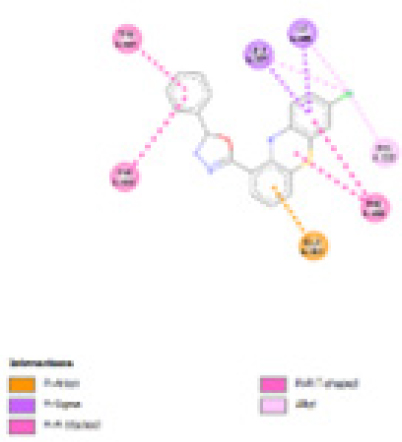
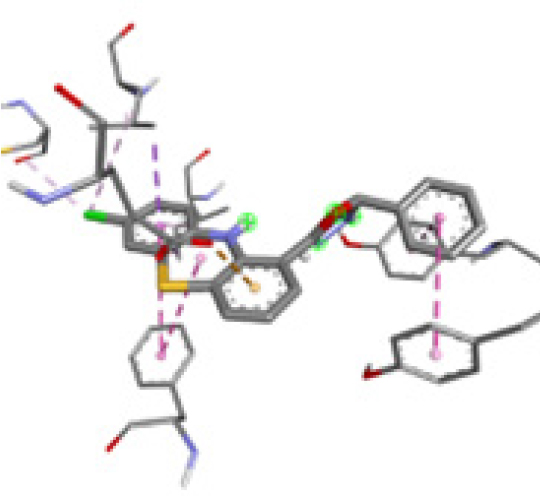
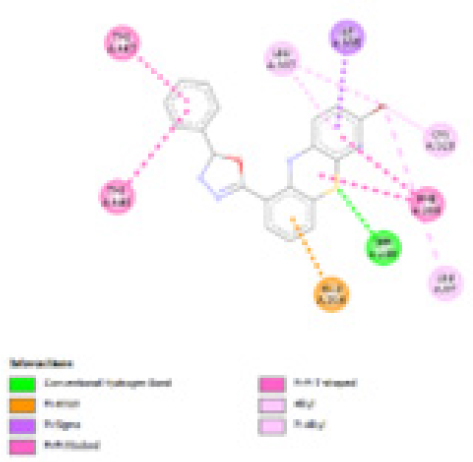
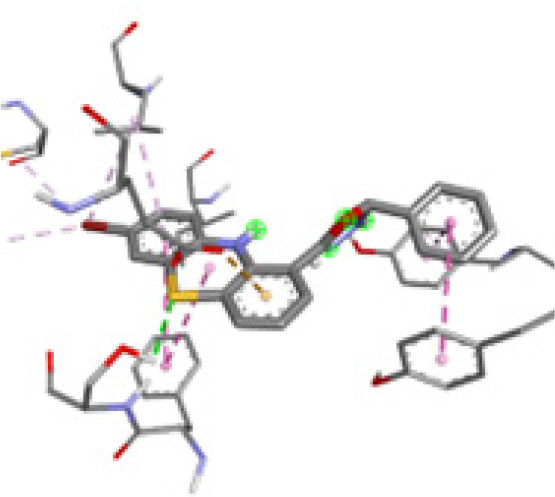
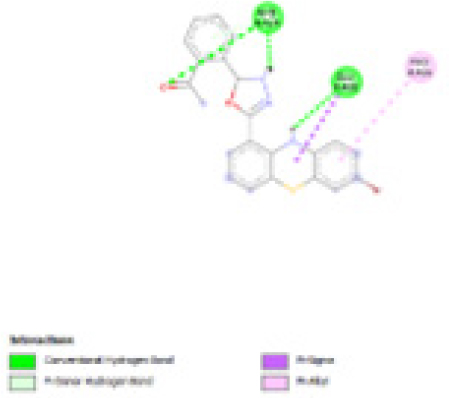
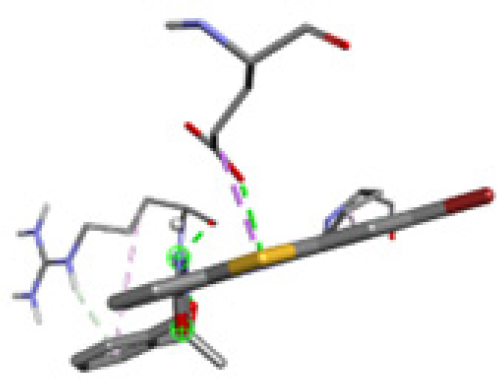
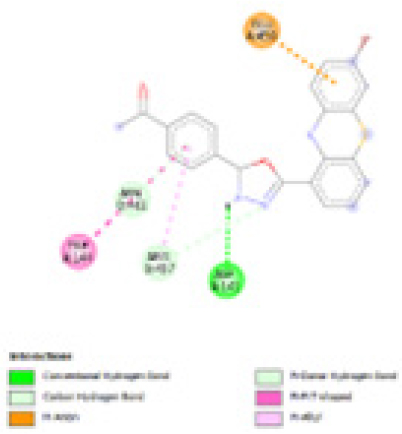
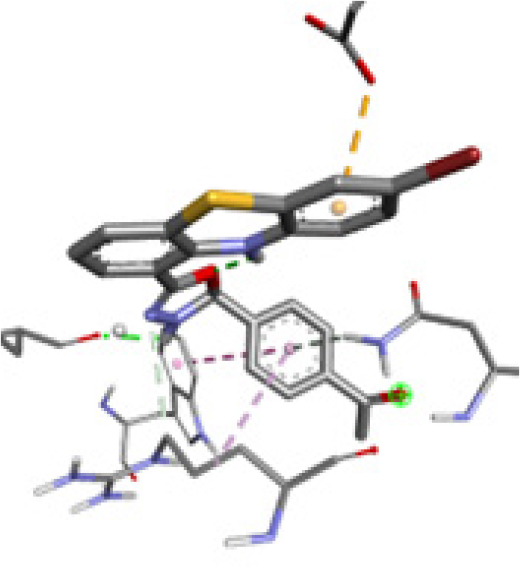
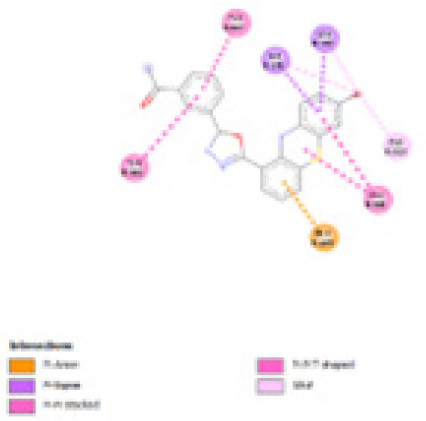
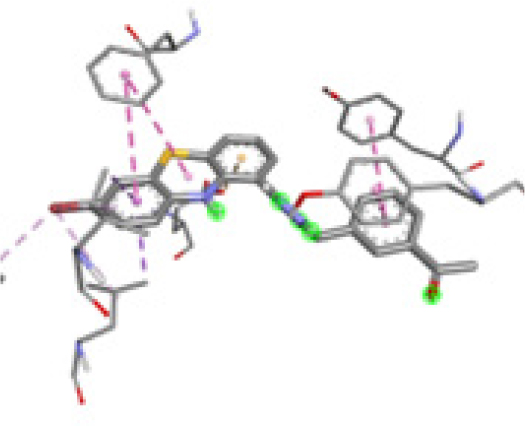
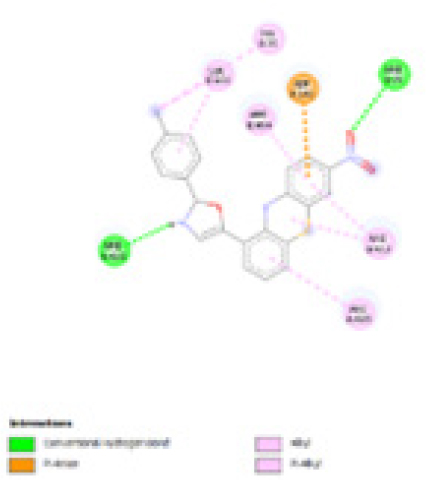
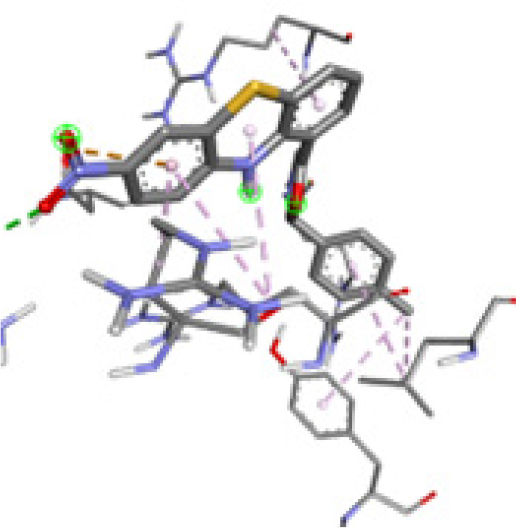
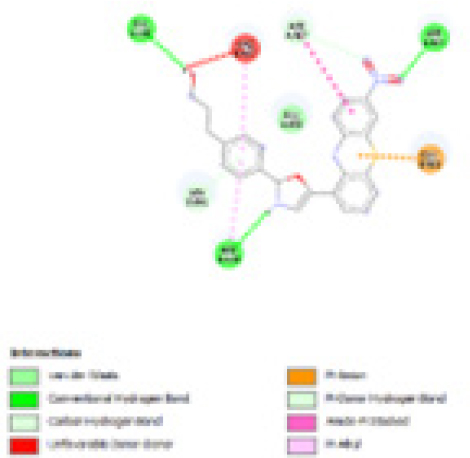
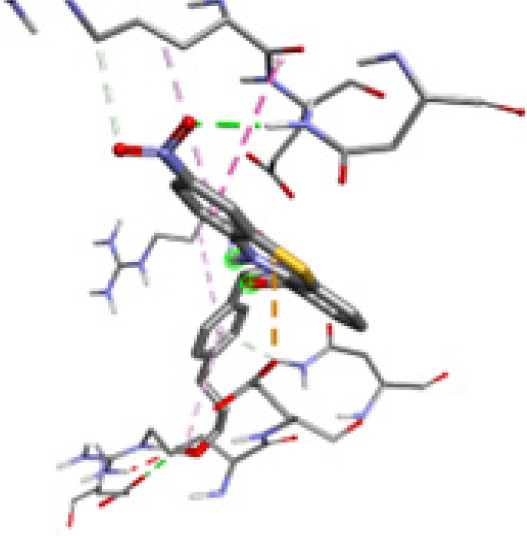
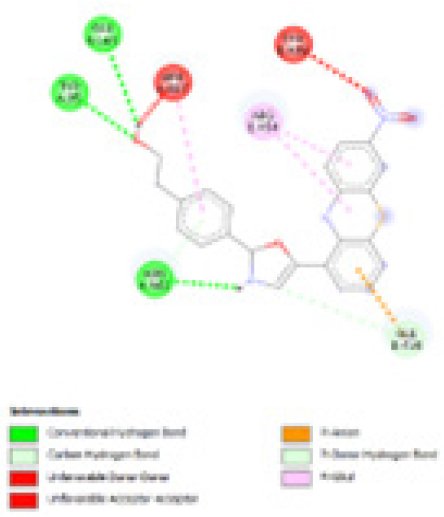
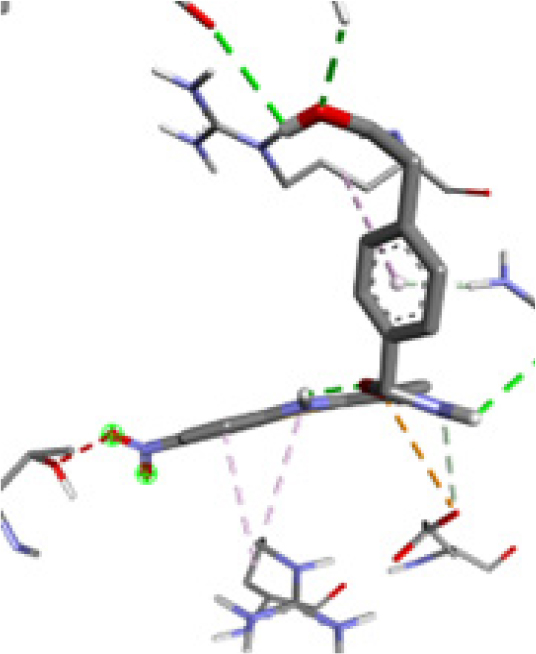
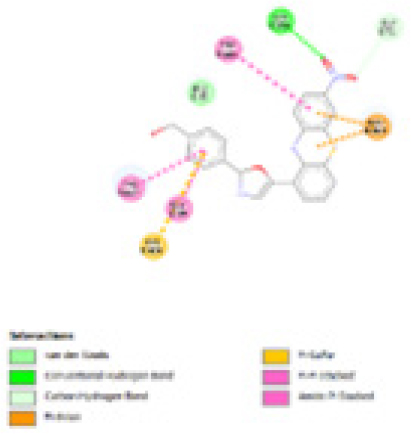
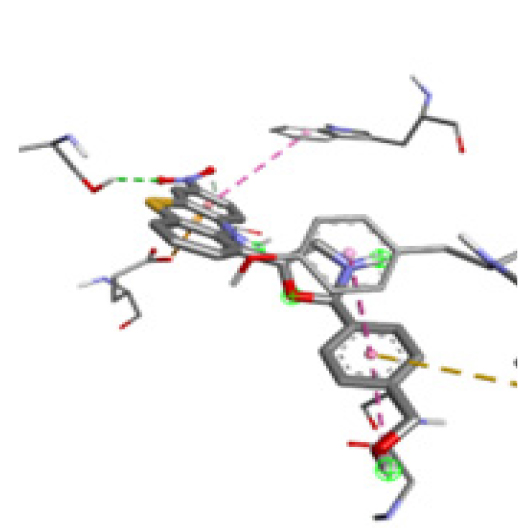
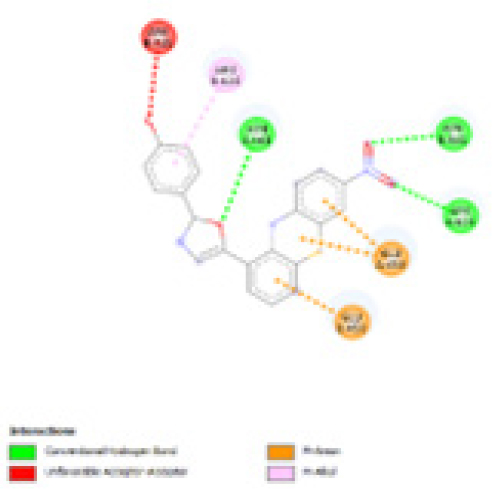
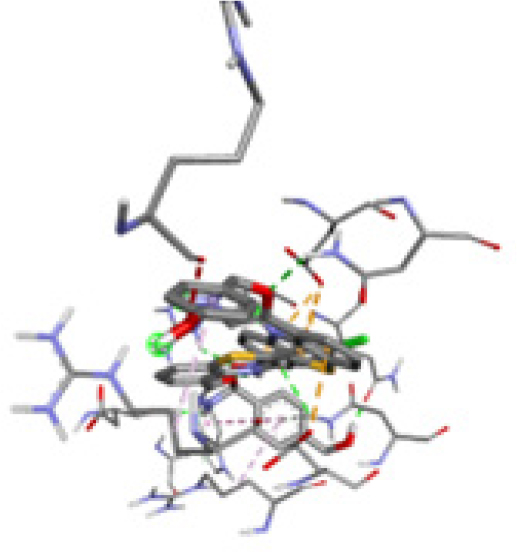
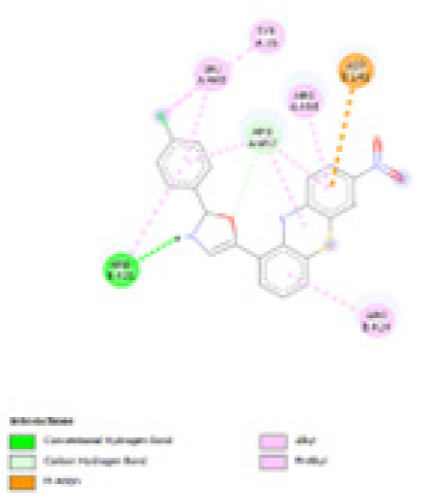
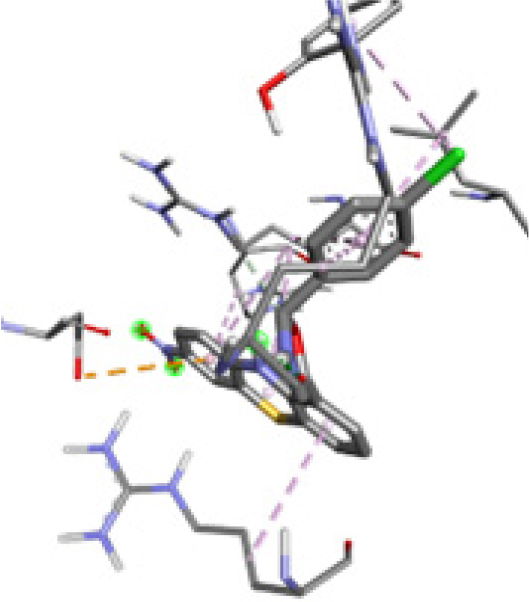
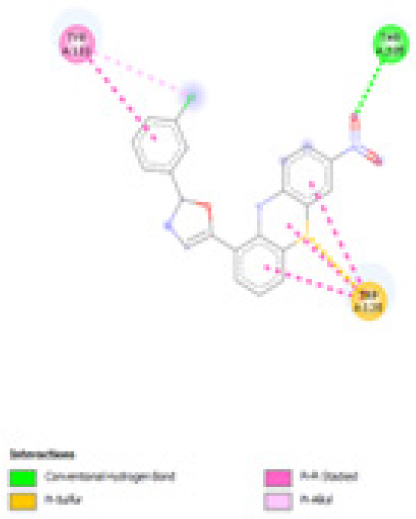
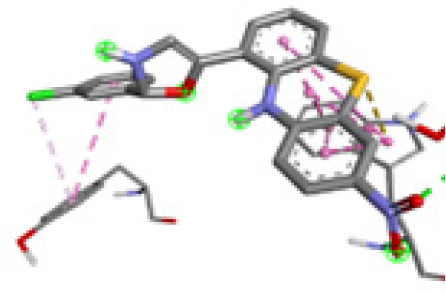
Table 4: Chemical interactions between the chemicals and the residues of active amino acids.
Compound Code |
Active Amino Acid |
Bond Type |
Docking Score |
2D |
3D |
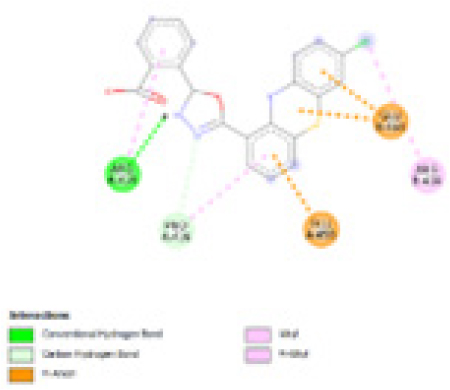
|---|---|---|---|---|---|
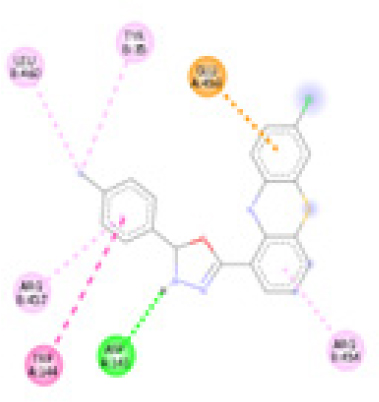
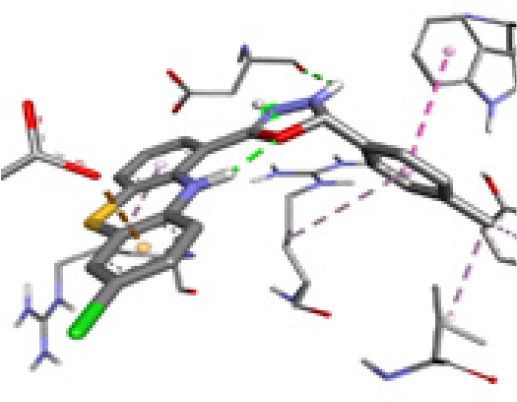
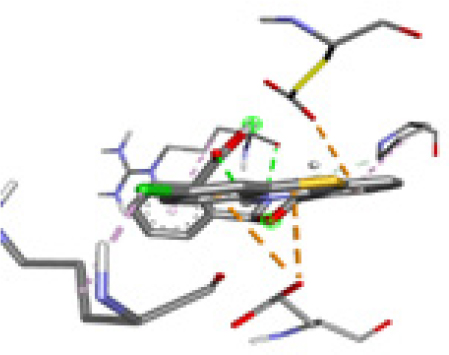
PS1 |
ASP141 GLU458 TRP144 LEU460 TYR35 ARG454 ARG457 |
Conventional Hydrogen Bond Pi-Anion Pi-Pi T-shaped Alkyl Pi-Alkyl Pi-Alkyl Pi-Alkyl |
-10.1 |
|
|
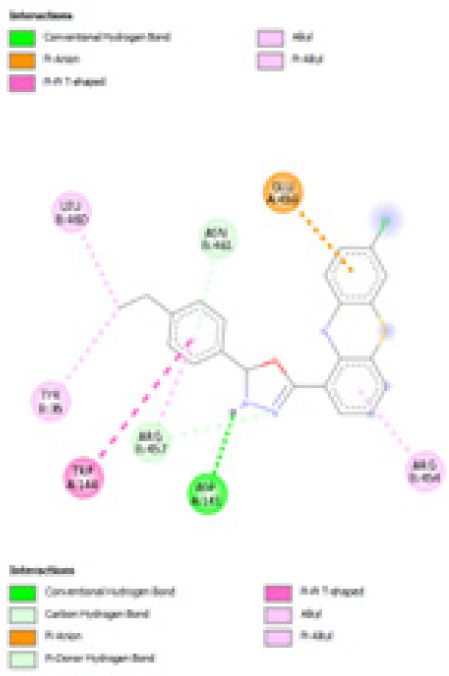
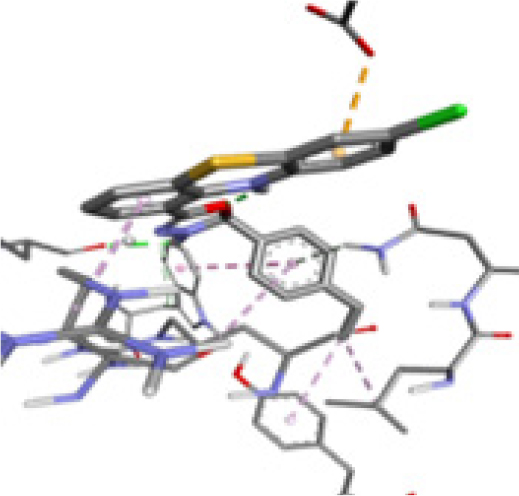
PS2 |
ASP141 ARG457 GLU458 ASN461 TRP144 LEU460 TYR35 ARG454 ARG457 |
Conventional Hydrogen Bond Carbon Hydrogen Bond Pi-Anion Pi-Donor Hydrogen Bond Pi-Pi T-shaped Alkyl Pi-Alkyl Pi-Alkyl Pi-Alkyl |
-10.1 |
|
|
PS3 |
GLN425 GLU458 ASN461 ARG457 |
Conventional Hydrogen Bond Pi-Anion Pi-Donor Hydrogen Bond Pi-Alkyl |
-9.9 |
|
|
PS4 |
GLU216 GLU216 CYS406 TYR407 TRP441 TYR69 GLY66 PRO72 VAL303 LYS305 CYS406 PHE352 TRP397 TRP441 |
Pi-Anion Pi-Anion Pi-Sulfur Pi-Pi Stacked Pi-Pi Stacked Pi-Pi T-shaped Amide-Pi Stacked Alkyl Alkyl Alkyl Alkyl Pi-Alkyl Pi-Alkyl Pi-Alkyl |
-11.3 |
|
|
PS5 |
SER209 GLU216 PHE208 PHE208 TYR407 TYR444 ARG51 LEU97 CYS323 LEU337 ARG51 MET445 ILE335 LEU337 |
Conventional Hydrogen Bond Pi-Anion Pi-Pi Stacked Pi-Pi Stacked Pi-Pi Stacked Pi-Pi T-shaped Alkyl Alkyl Alkyl Alkyl Alkyl Alkyl Pi-Alkyl Pi-Alkyl |
-10 |
|
|
PS6 |
ASP141 GLN425 ARG457 GLU458 ASN461 TRP144 ARG457 |
Conventional Hydrogen Bond Conventional Hydrogen Bond Carbon Hydrogen Bond Pi-Anion Pi-Donor Hydrogen Bond Pi-Pi T-shaped Pi-Alkyl |
-10.1 |
|
|
PS7 |
ARG457 ARG424 GLU458 ASN461 GLU458 ARG457 |
Conventional Hydrogen Bond Conventional Hydrogen Bond Conventional Hydrogen Bond Pi-Donor Hydrogen Bond Pi-Sigma Pi-Alkyl |
-9.8 |
|
|
PS8 |
LEU277 TYR402 LYS280 ALA44 ILE273 TYR402 HIS282 LYS280 LYS280 LEU277 |
Conventional Hydrogen Bond Carbon Hydrogen Bond Pi-Cation Pi-Sigma Pi-Sigma Pi-Pi T-shaped Pi-Alkyl Pi-Alkyl Pi-Alkyl Pi-Alkyl |
-10.5 |
|
|
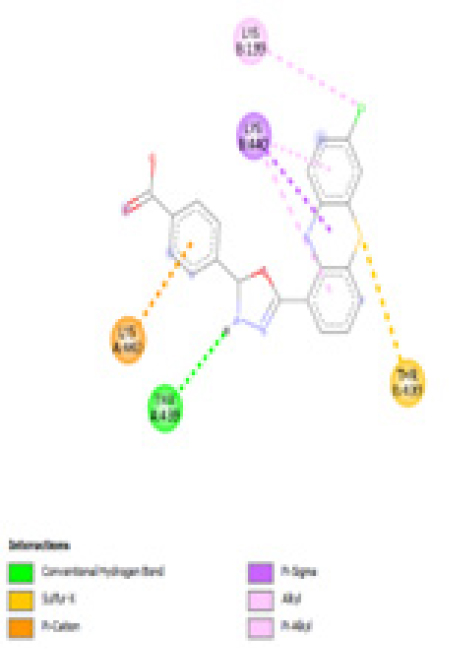
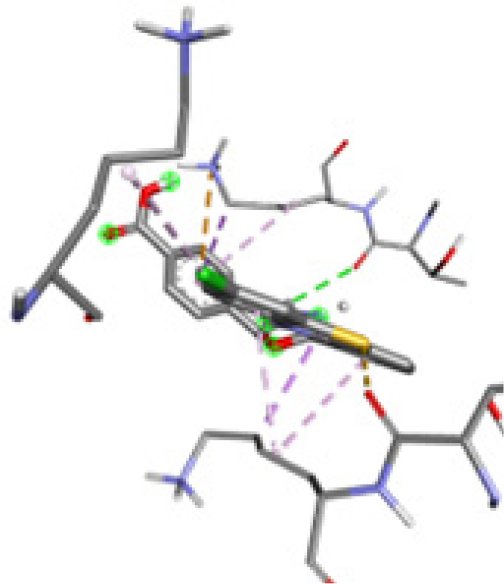
PS9 |
THR439 THR439 LYS440 LYS440 LYS440 LYS199 LYS440 LYS440 LYS440 |
Conventional Hydrogen Bond Sulfur-X Pi-Cation Pi-Sigma Pi-Sigma Alkyl Pi-Alkyl Pi-Alkyl Pi-Alkyl |
-8.7 |
|
|
PS10 |
ARG424 ASP141 GLU458 ARG454 ARG457 ARG457 LEU460 |
Conventional Hydrogen Bond Conventional Hydrogen Bond Pi-Anion Pi-Alkyl Pi-Alkyl Pi-Alkyl Pi-Alkyl |
-10.3 |
|
|
PS11 |
ARG424 PRO426 GLU458 GLU458 GLU458 ARG424 PRO426 ARG424 |
Conventional Hydrogen Bond Carbon Hydrogen Bond Pi-Anion Pi-Anion Pi-Anion Alkyl Pi-Alkyl Pi-Alkyl |
-10.1 |
|
|
PS12 |
ALA68 SER209 GLU216 ILE335 LEU337 PHE208 PHE208 TYR407 TYR444 LEU97 CYS323 LEU337 |
Conventional Hydrogen Bond Sulfur-X Pi-Anion Pi-Sigma Pi-Sigma Pi-Pi Stacked Pi-Pi Stacked Pi-Pi Stacked Pi-Pi T-shaped Alkyl Alkyl Alkyl |
-11.3 |
|
|
PS13 |
ASP141 GLU458 ASN461 TRP144 ARG457 |
Conventional Hydrogen Bond Pi-Anion Pi-Donor Hydrogen Bond Pi-Pi T-shaped Pi-Alkyl |
-10.4 |
|
|
PS14 |
TRP144 TYR35 ASP141 ARG457 GLU458 ASN461 ARG454 |
Conventional Hydrogen Bond Conventional Hydrogen Bond Conventional Hydrogen Bond Carbon Hydrogen Bond Pi-Anion Pi-Donor Hydrogen Bond Pi-Alkyl |
-10.5 |
|
|
PS15 |
ASP141 GLU458 ASN461 ARG457 |
Conventional Hydrogen Bond Pi-Anion Pi-Donor Hydrogen Bond Pi-Alkyl |
-10.0 |
|
|
PS16 |
ASP141 GLU458 ASN461 LEU460 ARG457 |
Conventional Hydrogen Bond Pi-Anion Pi-Donor Hydrogen Bond Alkyl Pi-Alkyl |
-10.0 |
|
|
PS17 |
ASN461 ARG421 GLU458 ARG424 LEU460 ARG421 LEU460 |
Conventional Hydrogen Bond Conventional Hydrogen Bond Pi-Anion Pi-Donor Hydrogen Bond Alkyl Pi-Alkyl Pi-Alkyl |
-10.3 |
|
|
PS18 |
SER209 GLU216 CYS406 PHE208 3PHE208 TYR407 TYR444 LEU97 CYS323 LEU337 ILE335 LEU337 ARG51 |
Conventional Hydrogen Bond Pi-Anion Pi-Sulfur Pi-Pi Stacked Pi-Pi Stacked Pi-Pi Stacked Pi-Pi T-shaped Alkyl Alkyl Alkyl Pi-Alkyl Pi-Alkyl Pi-Alkyl |
-12.3 |
|
|
PS19 |
GLU216 ILE335 LEU337 PHE208 PHE208 TYR407 TYR444 CYS323 ILE335 LEU337 |
Pi-Anion Pi-Sigma Pi-Sigma Pi-Pi Stacked Pi-Pi Stacked Pi-Pi Stacked Pi-Pi T-shaped Alkyl Alkyl Alkyl |
-11.1 |
|
|
PS42 |
SER209 GLU216 ILE335 PHE208 PHE208 TYR407 TYR444 LEU97 CYS323 LEU337 LEU337 |
Conventional Hydrogen Bond Pi-Anion Pi-Sigma Pi-Pi Stacked Pi-Pi Stacked Pi-Pi Stacked Pi-Pi T-shaped Alkyl Alkyl Alkyl Pi-Alkyl |
-11.1 |
|
|
PS44 |
ARG424 ARG424 GLU458 ARG424 GLU458 PRO426 ARG424 |
Conventional Hydrogen Bond Conventional Hydrogen Bond Conventional Hydrogen Bond Pi-Donor Hydrogen Bond Pi-Sigma Pi-Alkyl Pi-Alkyl |
-10.2 |
|
|
PS45 |
ASP141 ARG457 GLU458 ASN461 TRP144 ARG457 |
Conventional Hydrogen Bond Carbon Hydrogen Bond Pi-Anion Pi-Donor Hydrogen Bond Pi-Pi T-shaped Pi-Alkyl |
-10.6 |
|
|
PS46 |
GLU216 ILE335 LEU337 PHE208 PHE208 TYR407 TYR444 CYS323 ILE335 LEU337 |
Pi-Anion Pi-Sigma Pi-Sigma Pi-Pi Stacked Pi-Pi Stacked Pi-Pi Stacked Pi-Pi T-shaped Alkyl Alkyl Alkyl |
-12.0 |
|
|
PS47 |
ARG76 ARG421 ASP141 LEU460 TYR35 ARG424 ARG457 ARG454 ARG457 LEU460 |
Conventional Hydrogen Bond Conventional Hydrogen Bond Pi-Anion Alkyl Pi-Alkyl Pi-Alkyl Pi-Alkyl Pi-Alkyl Pi-Alkyl Pi-Alkyl |
-10.1 |
|
|
PS51 |
ASN461 ARG424 GLU145 ARG457 GLU458 ASN461 ARG457 ARG457 ARG424 ARG457 |
Conventional Hydrogen Bond Conventional Hydrogen Bond Conventional Hydrogen Bond Carbon Hydrogen Bond Pi-Anion Pi-Donor Hydrogen Bond Amide-Pi Stacked Pi-Alkyl Pi-Alkyl Pi-Alkyl |
-9.8 |
|
|
PS52 |
TYR35 ASN461 GLU145 GLU458 GLU458 ASN461 ARG454 ARG454 ARG457 |
Conventional Hydrogen Bond Conventional Hydrogen Bond Conventional Hydrogen Bond Carbon Hydrogen Bond Pi-Anion Pi-Donor Hydrogen Bond Pi-Alkyl Pi-Alkyl Pi-Alkyl |
-9.6 |
|
|
PS53 |
SER209 GLY71 GLU216 GLU216 CYS406 TYR407 TRP441 GLY66,GLY67 |
Conventional Hydrogen Bond Carbon Hydrogen Bond Pi-Anion Pi-Anion Pi-Sulfur Pi-Pi Stacked Pi-Pi Stacked Amide-Pi Stacked |
-11.1 |
|
|
PS54 |
ARG424 ASN461 ASN461 GLU458 GLU458 GLU458 ARG424 |
Conventional Hydrogen Bond Conventional Hydrogen Bond Conventional Hydrogen Bond Pi-Anion Pi-Anion Pi-Anion Pi-Alkyl |
-10.1 |
|
|
PS62 |
ARG421 ARG457 ASP141 LEU460 TYR35 ARG457 ARG424 ARG454 ARG457 ARG457 LEU460 ARG421 |
Conventional Hydrogen Bond Carbon Hydrogen Bond Pi-Anion Alkyl Pi-Alkyl Pi-Alkyl Pi-Alkyl Pi-Alkyl Pi-Alkyl Pi-Alkyl Pi-Alkyl Pi-Alkyl |
-9.8 |
|
|
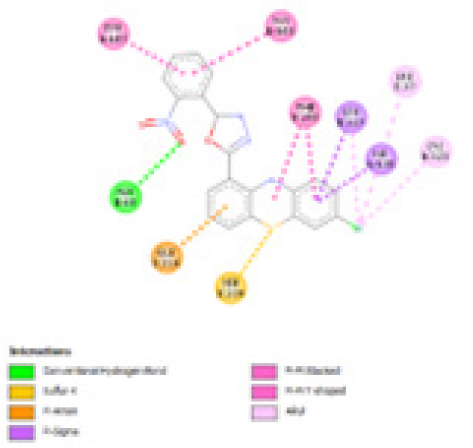
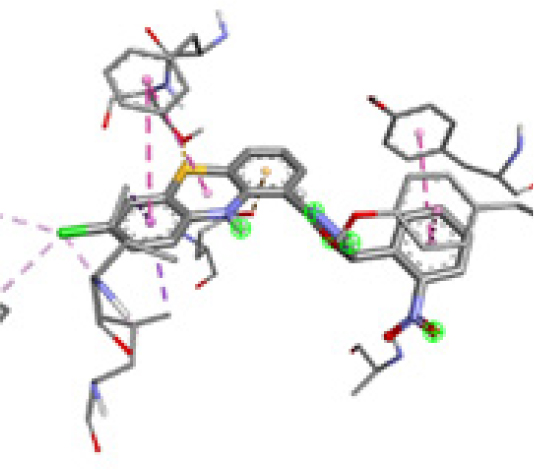
PS66 |
THR205 TRP128 TRP128 TYR121 TRP128 TRP128 TRP128 TRP128 TRP128 TRP128 TYR121 |
Conventional Hydrogen Bond Pi-Sulfur Pi-Sulfur Pi-Pi Stacked Pi-Pi Stacked Pi-Pi Stacked Pi-Pi Stacked Pi-Pi Stacked Pi-Pi Stacked Pi-Pi Stacked Pi-Alkyl |
-10.0 |
|
|