

Vol. 2 · Issue 3 · 2026 · pp. 168-181
    Beyond the Prescription: Influence of Brand Name Prescribing on Patient Perception, Medication Adherence, and Economic Burden: A Narrative Review
    Life Science Research Communications
    Review Article
    Life Science Research Communications
    Vol. 2
    Issue 3
    2026
    pp. 168-181
    Open Access

    Beyond the Prescription: Influence of Brand Name Prescribing on Patient Perception, Medication Adherence, and Economic Burden: A Narrative Review

    Murali G1,K.V. Giriraj2,Kiran N3,Roshan Manoharan4,Anil Dhakal1
    1Department of Pharmacy Practice, Krupanidhi College of Pharmacy, Bengaluru, Karnataka, INDIA.
    2Department of Medicine, MVJ Medical College and Research Hospital, Hoskote, Bengaluru, Karnataka, INDIA.
    3Department of Respiratory Medicine, MVJ Medical College and Research Hospital, Hoskote, Bengaluru, Karnataka, INDIA.
    4Department of Dermatology, MVJ Medical College and Research Hospital, Hoskote, Bengaluru, Karnataka, INDIA.
    Correspondence:

    *Anil Dhakal

    Department of Pharmacy Practice, Krupanidhi College of Pharmacy, Bengaluru, Karnataka, INDIA.

    anildhakal146@gmail.com

    Copyright:

    © 2026 Author(s)

    Check for updates
    Published:29/10/2026
    Received: 21/08/2026
    Accepted: 19/10/2026
    Brand name prescribing remains common in clinical practice despite the widespread availability of therapeutically equivalent generic medicines. Although generic medications undergo rigorous regulatory evaluation for bioequivalence and offer substantial cost advantages, both physicians and patients frequently demonstrate a preference for branded products. This preference is influenced by physician familiarity, pharmaceutical marketing, institutional prescribing culture, perceived quality differences, and patient expectations. Brand-oriented prescribing can shape patient perceptions regarding medicine efficacy and safety, often leading to greater trust in branded products and reduced acceptance of generic alternatives. The higher cost of branded medicines may contribute to increased out-of-pocket expenditure, particularly among patients with chronic diseases requiring long-term pharmacotherapy. Financial burden associated with expensive medications is a recognized contributor to cost-related medication nonadherence, including dose skipping, delayed prescription refills, and treatment discontinuation. Evidence suggests that generic substitution can improve treatment affordability, enhance medication adherence, and reduce overall healthcare expenditure without compromising therapeutic outcomes. This narrative review examines the influence of brand name prescribing on patient perception, medication adherence, and economic burden, while highlighting the role of healthcare professionals and policymakers in promoting rational, evidence-based, and cost-effective prescribing practices.

    Share on Mobile

    Scan to access on mobile

    Keywords

    Brand-name Prescribing
    Generic Medicines
    Medication Adherence
    Patient Perception
    Pharmacoeconomics

    INTRODUCTION

    Prescription writing is one of the most influential clinical decisions in modern healthcare because it directly affects therapeutic outcomes, patient trust, treatment affordability, and long-term medication adherence. Although generic medicines are considered bioequivalent to branded formulations and are significantly less expensive, brand name prescribing continues to dominate in many healthcare settings, particularly in low-and middle-income countries such as India. This persistent preference for branded medications has raised concerns regarding rational drug use, increased out-of-pocket expenditure, and cost-related medication nonadherence . Generic medicines are pharmaceutical products intended to be interchangeable with innovator drugs after patent expiry while maintaining comparable quality, safety, efficacy, and therapeutic performance. Despite regulatory approval standards and demonstrated clinical equivalence, both physicians and patients often perceive branded medicines as superior in quality and effectiveness. These perceptions are frequently reinforced by pharmaceutical marketing strategies, prescribing habits, institutional practices, and patient beliefs associated with branded products . The psychological impact of prescription writing is increasingly recognized as an important determinant of medication-taking behaviour. When physicians prescribe medicines using brand names, patients may subconsciously associate those products with greater efficacy, reliability, and therapeutic value. In contrast, generic substitutions may generate skepticism, fear of therapeutic failure, or concerns regarding quality and safety. Experimental evidence has demonstrated that labelling medications as "generic" may negatively influence perceived efficacy and adherence even when the drug composition remains identical . Economic implications further strengthen the significance of this issue. High medication costs remain one of the most common causes of treatment interruption and nonadherence, especially among patients with chronic illnesses requiring long-term therapy such as asthma, Chronic Obstructive Pulmonary Disease (COPD), diabetes mellitus, hypertension, and cardiovascular disorders. Multiple studies have shown that reducing patient out-of-pocket expenditure through generic substitution improves medication adherence and may reduce overall healthcare costs . In India, where healthcare expenditure is predominantly financed through out-of-pocket payments, irrational brand prescribing can impose substantial financial burden on patients and families. Although initiatives such as the Pradhan Mantri Bhartiya Janaushadhi Pariyojana (PMBJP) and National Medical Commission (NMC) recommendations encourage generic prescribing, barriers including physician resistance, patient distrust, inconsistent generic availability, and pharmaceutical influence continue to limit widespread adoption . Furthermore, poor medication adherence resulting from economic burden contributes to avoidable hospitalization, disease progression, increased morbidity, and higher healthcare expenditure. Medication nonadherence has been recognized as a major public health concern, with estimates suggesting that nearly half of patients with chronic diseases fail to follow prescribed treatment regimens appropriately . Therefore, understanding the relationship between brand name prescribing, patient perception, medication adherence, and economic burden is essential for promoting rational prescribing practices and improving healthcare accessibility. This narrative review aims to evaluate the influence of brand name prescribing on patient psychology, treatment compliance, and financial burden while exploring the role of healthcare professionals and policymakers in encouraging cost-effective and rational medication use.

    BRAND NAME MEDICINES VERSUS GENERIC MEDICINES

    Medicines are commonly marketed either as innovator or branded products and as generic formulations. Brand name medicines are pharmaceutical products marketed under proprietary trade names by pharmaceutical manufacturers, whereas generic medicines contain the same active pharmaceutical ingredient, dosage form, strength, route of administration, and intended therapeutic effect as their branded counterparts. Regulatory agencies approve generic drugs only after demonstration of pharmaceutical equivalence and bioequivalence with the reference innovator product . Bioequivalence studies are fundamental to the approval process of generic medicines because they establish that the generic formulation produces no clinically significant difference in the rate and extent of drug absorption compared to the branded product. According to the United States Food and Drug Administration (FDA), generic medicines must demonstrate comparable pharmacokinetic parameters, including maximum plasma Concentration (Cmax) and Area Under the Curve (AUC), within accepted confidence intervals (U.S. Food and Drug Administration, n.d.). Similar regulatory principles are followed by the European Medicines Agency (EMA), Central Drugs Standard Control Organization (CDSCO), and World Health Organization (WHO) (World Health Organization, n.d.-a) Despite these regulatory standards, misconceptions regarding the quality, safety, and therapeutic efficacy of generic medicines remain widespread among healthcare professionals and patients. Several physicians continue to perceive branded medications as more reliable due to manufacturing reputation, promotional exposure, and concerns regarding quality control among generic manufacturers . This perception significantly influences prescribing practices, especially in chronic disease management where long-term therapy is required. Pharmaceutical marketing also plays a substantial role in sustaining brand-oriented prescribing behaviour. Interactions between pharmaceutical representatives and healthcare professionals through promotional campaigns, sponsored educational programs, free drug samples, and incentives may subconsciously influence prescription decisions . As a result, physicians may preferentially prescribe familiar branded products even when cost-effective generic alternatives are available. Patients frequently associate higher cost with superior quality, thereby reinforcing the preference for branded medicines. This phenomenon is often explained through psychological conditioning and placebo-associated expectations. Studies have shown that patients may report improved symptom relief with expensive branded products despite receiving pharmacologically equivalent medications . Consequently, patient resistance toward generic substitution can become a barrier to rational drug utilization. In developing countries such as India, the price variation between branded and generic medicines can be extremely large. Cost differences are especially evident in medications used for chronic respiratory diseases, cardiovascular disorders, diabetes mellitus, gastrointestinal conditions, and infectious diseases . These variations substantially increase out-of-pocket expenditure and may contribute to treatment discontinuation among economically vulnerable populations. To improve affordability and accessibility, several countries have implemented policies promoting generic prescribing and substitution. In India, the Medical Council of India (now National Medical Commission) has encouraged physicians to prescribe medicines using generic names whenever possible (National Medical Commission, n.d.). Additionally, government initiatives such as the Pradhan Mantri Bhartiya Janaushadhi Pariyojana (PMBJP) aim to provide affordable generic medicines through dedicated outlets across the country. However, successful implementation remains challenging due to concerns regarding quality assurance, inconsistent supply chains, physician reluctance, and patient mistrust. Although generic medicines are therapeutically equivalent to branded products, the persistent preference for brand name prescribing demonstrates that medication choice is influenced not only by scientific evidence but also by psychological, social, and economic factors. Understanding these influences is essential for promoting rational prescribing practices and minimizing unnecessary healthcare expenditure.

    PHYSICIAN PRESCRIBING PATTERNS AND THE PREFERENCE FOR BRAND NAME MEDICINES

    Physician prescribing behaviour is influenced by multiple clinical, psychological, institutional, and commercial factors. Although evidence supports the therapeutic equivalence of generic medicines, brand name prescribing continues to dominate in many healthcare systems worldwide. This prescribing preference significantly affects healthcare expenditure, patient perception, and the rational use of medicines . One of the major determinants of prescribing behaviour is physician familiarity with specific brands developed through repeated clinical use and pharmaceutical promotion. Physicians often prefer prescribing medications with which they have prior clinical experience, perceiving them as more reliable and predictable in therapeutic outcomes . Such prescribing habits may become deeply ingrained over years of practice and can persist despite the availability of lower-cost generic alternatives. Pharmaceutical marketing remains one of the strongest influences on prescription practices. Drug manufacturers invest substantial financial resources in promotional activities targeting healthcare professionals, including medical representative visits, sponsored conferences, free samples, gifts, and continuing medical education programs. Studies have demonstrated that increased interaction with pharmaceutical representatives is associated with higher rates of brand name prescribing and increased prescribing costs . Even subtle promotional exposure may unconsciously affect clinical decision-making. Institutional and hospital prescribing cultures also contribute to brand-oriented prescribing patterns. In many healthcare institutions, physicians tend to prescribe medicines included in hospital formularies or products routinely stocked by affiliated pharmacies. This can reinforce dependence on specific brands rather than encouraging generic prescribing practices . Furthermore, electronic prescribing systems may sometimes display branded products more prominently than generic names, indirectly influencing physician choice. Another important factor is concern regarding the quality and consistency of generic medicines. Some physicians remain skeptical about the manufacturing standards, bioavailability, or therapeutic efficacy of generics, particularly in countries where regulatory oversight and quality assurance systems are perceived as inconsistent . These concerns may be more pronounced in drugs with narrow therapeutic indices or medications requiring precise pharmacokinetic control. Defensive prescribing behaviour may also contribute to brand preference. Physicians may believe that prescribing well-known branded medicines minimizes the risk of therapeutic failure, patient dissatisfaction, or medicolegal consequences . In chronic diseases such as asthma, Chronic Obstructive Pulmonary Disease (COPD), epilepsy, cardiovascular disorders, and diabetes mellitus, physicians may hesitate to substitute medications if patients are clinically stable on a particular branded product. Patient expectations can further influence prescribing decisions. In some settings, patients request specific brands due to prior experience, advertising exposure, or recommendations from family and friends. Physicians may comply with such preferences to maintain patient satisfaction and therapeutic trust . This creates a cyclical relationship in which brand prescribing reinforces patient loyalty toward branded medicines while reducing acceptance of generic alternatives. Economic relationships between pharmaceutical companies and healthcare systems also play a role. Studies have shown that pharmaceutical industry payments and sponsorships may correlate with increased prescribing of promoted branded medications . Such relationships raise ethical concerns regarding conflicts of interest and rational prescribing practices. In India, brand name prescribing is particularly prevalent due to the fragmented pharmaceutical market and the existence of multiple branded generics for the same active ingredient. Physicians often prescribe by brand names to avoid confusion regarding product quality and availability . However, this practice may unintentionally increase financial burden on patients, especially among those requiring long-term treatment for chronic illnesses. To promote rational prescribing, several interventions have been proposed, including physician education regarding generic bioequivalence, stricter regulation of pharmaceutical marketing, mandatory generic prescribing policies, academic detailing, and pharmacist-led prescription review systems . Encouraging evidence-based prescribing practices can reduce unnecessary healthcare expenditure while maintaining therapeutic effectiveness and improving medication accessibility. Overall, physician prescribing patterns are shaped by a complex interaction of clinical experience, pharmaceutical influence, institutional culture, patient expectations, and economic considerations. Understanding these determinants is essential for developing strategies that encourage rational and cost-effective prescribing practices ( (Table 1)).

    PHYSICIAN PERSPECTIVES ON BRAND NAME AND GENERIC PRESCRIBING

    Physicians remain the primary decision-makers in medication selection and therefore play a crucial role in determining healthcare expenditure and medicine utilization patterns. Despite growing evidence supporting the therapeutic equivalence of generic medicines, brand-name prescribing continues to be prevalent in many healthcare systems. Physician attitudes toward generic medicines are influenced by a combination of clinical experience, perceived drug quality, patient expectations, healthcare infrastructure, and pharmaceutical market dynamics . Clinical confidence is a major determinant of prescribing behaviour. Physicians often develop familiarity with specific branded products through repeated clinical use and observed patient outcomes. This familiarity may contribute to a preference for branded medicines, particularly in chronic disease management where long-term therapeutic stability is considered essential . Concerns regarding therapeutic equivalence also influence prescribing decisions. Although regulatory agencies require demonstration of bioequivalence before generic approval, some clinicians remain cautious regarding generic substitution, particularly for medications with narrow therapeutic indices. Such concerns may affect prescribing practices even in the absence of objective evidence demonstrating clinically meaningful differences between approved generic and branded formulations . Patient-related factors further shape prescribing behaviour. Physicians frequently encounter patients who associate higher-priced medicines with superior quality and may request specific brands based on prior experience or recommendations. In these circumstances, physicians may continue prescribing familiar branded products to maintain patient confidence and therapeutic continuity . Healthcare system factors also influence prescribing choices. Availability of medicines within hospital formularies, institutional procurement policies, and local pharmacy stocking practices may affect whether physicians prescribe generic or branded medicines. In some settings, concerns regarding inconsistent availability of generic products may discourage their routine use . Economic considerations are becoming increasingly important in clinical decision-making. Physicians are increasingly recognizing that medication affordability directly influences treatment adherence and long-term clinical outcomes. Cost-conscious prescribing has therefore emerged as an important component of patient-centered care, particularly in low-and middle-income countries where out-of-pocket healthcare expenditure remains substantial . Educational interventions may improve physician acceptance of generic medicines. Academic detailing, evidence-based prescribing programs, and continuing medical education initiatives have demonstrated potential in improving knowledge regarding bioequivalence standards and promoting rational prescribing practices . Understanding physician perspectives is therefore essential for the successful implementation of policies promoting generic medicine utilization. Addressing concerns regarding medicine quality, therapeutic equivalence, patient expectations, and healthcare system limitations may facilitate greater adoption of cost-effective prescribing practices while maintaining optimal patient care ( (Table 2)) .

    PATIENT PERCEPTION AND THE PSYCHOLOGICAL INFLUENCE OF BRAND NAME PRESCRIBING

    Patient perception plays a critical role in medication acceptance, adherence, and therapeutic outcomes. Although generic medicines are clinically equivalent to branded formulations, many patients continue to associate brand name medicines with superior quality, safety, and efficacy. These perceptions are strongly influenced by physician prescribing behaviour, pharmaceutical marketing, social beliefs, and previous treatment experiences . Prescription writing itself may exert a psychological influence on patients. When physicians prescribe medicines using specific brand names, patients often interpret this as an indication that the prescribed product is superior to available alternatives. This subconscious association between brand recognition and therapeutic reliability can significantly affect patient confidence in treatment . Consequently, patients may become reluctant to accept generic substitutions even when informed that the active ingredients are identical. The placebo effect associated with expensive or well-known brands further contributes to this phenomenon. Research has demonstrated that patients frequently perceive higher-priced medications as more effective than cheaper alternatives despite identical pharmacological composition . Brand familiarity may therefore enhance perceived therapeutic benefit through psychological conditioning rather than pharmacodynamic superiority. Conversely, negative perceptions regarding generic medicines may lead to a nocebo effect, in which patients expect poorer outcomes after generic substitution and subsequently report reduced efficacy or increased adverse effects . Such responses can reduce medication adherence and compromise treatment outcomes. Studies involving chronic disease patients have shown that some individuals discontinue therapy or demand return to branded medications following generic substitution because of perceived therapeutic failure . Patient trust in physicians also strongly influences medicine-related beliefs. In many clinical settings, patients consider the physician's prescription as authoritative and rarely question the choice of medication. When prescriptions are written using brand names, patients may develop long-term loyalty toward those products and resist pharmacy-level substitution . This effect becomes particularly significant in chronic diseases such as asthma, diabetes mellitus, hypertension, epilepsy, and Chronic Obstructive Pulmonary Disease (COPD), where long-term treatment continuity is required. Sociodemographic factors further influence perceptions regarding generic medicines. Educational status, socioeconomic background, health literacy, and previous healthcare experiences can affect patient acceptance of generics. Studies have shown that patients with limited understanding of drug regulation and bioequivalence are more likely to distrust generic medicines (Ventola, 2011). Elderly patients may also demonstrate greater reluctance toward generic substitution due to fear of treatment changes and confusion associated with different packaging or tablet appearance. Media exposure and pharmaceutical advertising additionally contribute to the formation of public opinion regarding medicines. Direct and indirect advertisements emphasizing branded products may reinforce the perception that expensive medications are more effective . In some cases, patients may request specific branded products after exposure to advertisements or recommendations from family members and acquaintances. In developing countries, where out-of-pocket healthcare expenditure remains high, these psychological perceptions can have substantial financial consequences. Patients may continue purchasing expensive branded medications despite the availability of affordable generic alternatives, leading to unnecessary economic burden . Cost-related stress may eventually contribute to dose skipping, delayed prescription refills, or treatment discontinuation. Healthcare professionals, especially pharmacists, play an important role in modifying patient perceptions regarding generic medicines. Patient counselling regarding bioequivalence, regulatory approval standards, and therapeutic effectiveness can improve confidence in generic substitution . Educational interventions and public awareness campaigns have also been shown to improve acceptance of generic medicines and promote rational medication use. Ultimately, the psychological influence of brand name prescribing demonstrates that prescribing practices affect more than pharmacological treatment alone. Prescription terminology can shape patient trust, treatment expectations, medication-taking behaviour, and healthcare expenditure. Addressing misconceptions surrounding generic medicines is therefore essential for improving adherence, reducing economic burden, and promoting rational drug utilization.

    ECONOMIC BURDEN ASSOCIATED WITH BRAND NAME PRESCRIBING

    The economic burden associated with prescription medicines has emerged as a major global healthcare concern, particularly in countries where patients rely heavily on out-of-pocket expenditure for medical treatment. Brand-name prescribing contributes substantially to increased healthcare costs because branded medications are frequently priced significantly higher than their generic equivalents despite having comparable therapeutic efficacy . This difference becomes especially important in chronic diseases requiring long-term or lifelong pharmacotherapy. In low-and middle-income countries, medication expenditure constitutes a major proportion of total healthcare spending. India, in particular, experiences one of the highest levels of out-of-pocket healthcare expenditure globally, with medicines accounting for a substantial share of household medical expenses . Consequently, irrational prescribing of expensive branded medications may impose severe financial strain on patients and their families. The cost difference between branded and generic medicines can be remarkably large. Previous studies evaluating commonly prescribed medications in India have demonstrated price variations exceeding several hundred percent among brands containing the same active pharmaceutical ingredient . Such variations are frequently observed in drugs used for respiratory diseases, diabetes mellitus, hypertension, cardiovascular disorders, gastrointestinal illnesses, and infectious diseases. These differences directly influence affordability and accessibility of treatment. Patients with chronic illnesses are particularly vulnerable to the financial consequences of brand-oriented prescribing. Diseases such as Chronic Obstructive Pulmonary Disease (COPD), asthma, diabetes mellitus, epilepsy, hypertension, and cardiovascular disorders require continuous therapy and repeated prescription refills . Long-term use of expensive branded medicines may result in catastrophic healthcare expenditure, especially among economically disadvantaged populations. Medication affordability is closely associated with adherence behaviour. When treatment costs become excessive, patients may adopt cost-saving strategies such as dose reduction, delayed prescription refills, tablet splitting, or complete discontinuation of therapy . Cost-related nonadherence has been associated with worsening disease progression, increased hospitalization, reduced quality of life, and higher mortality rates. In many cases, the indirect healthcare costs resulting from poor adherence exceed the initial savings associated with brand-oriented prescribing practices. Several studies have demonstrated that generic substitution can significantly reduce healthcare expenditure without compromising therapeutic outcomes . Increased use of generic medicines has been associated with improved adherence rates, reduced patient expenditure, and lower overall healthcare costs. Generic prescribing is therefore considered an essential component of cost-effective healthcare delivery and rational drug use. The economic impact of brand name prescribing extends beyond individual patients to healthcare systems and national economies. Increased spending on branded medicines may reduce healthcare accessibility, limit insurance coverage efficiency, and place additional burden on public healthcare programs . In resource-limited settings, irrational medicine expenditure may divert healthcare resources away from essential preventive and therapeutic services. In addition to direct treatment costs, indirect economic consequences must also be considered. Financial stress resulting from expensive medication therapy may affect employment productivity, psychological wellbeing, and family stability . Patients facing economic hardship may prioritize immediate financial needs over medication adherence, leading to avoidable disease complications and repeated hospital admissions. Government policies promoting generic medicines have therefore become increasingly important in reducing healthcare expenditure. Initiatives such as essential medicines lists, generic substitution policies, price control regulations, and public generic medicine schemes aim to improve affordability and equitable healthcare access (Vogler, 2012). In India, the Pradhan Mantri Bhartiya Janaushadhi Pariyojana (PMBJP) has demonstrated potential in lowering medicine costs for economically vulnerable populations through the provision of low-cost generic medicines. Despite these efforts, several barriers continue to limit the economic benefits of generic prescribing. Physician preference for branded medicines, patient mistrust of generics, aggressive pharmaceutical marketing, and inconsistent availability of generic products remain major challenges (Sabaté, 2003). Addressing these barriers requires coordinated efforts involving healthcare professionals, policymakers, regulatory authorities, and public health educators. Overall, the economic burden associated with brand name prescribing represents a critical healthcare issue with implications for medication adherence, healthcare accessibility, and public health sustainability. Promoting rational generic prescribing practices may substantially reduce unnecessary expenditure while maintaining therapeutic effectiveness and improving patient outcomes.

    BRAND NAME PRESCRIBING AND MEDICATION ADHERENCE

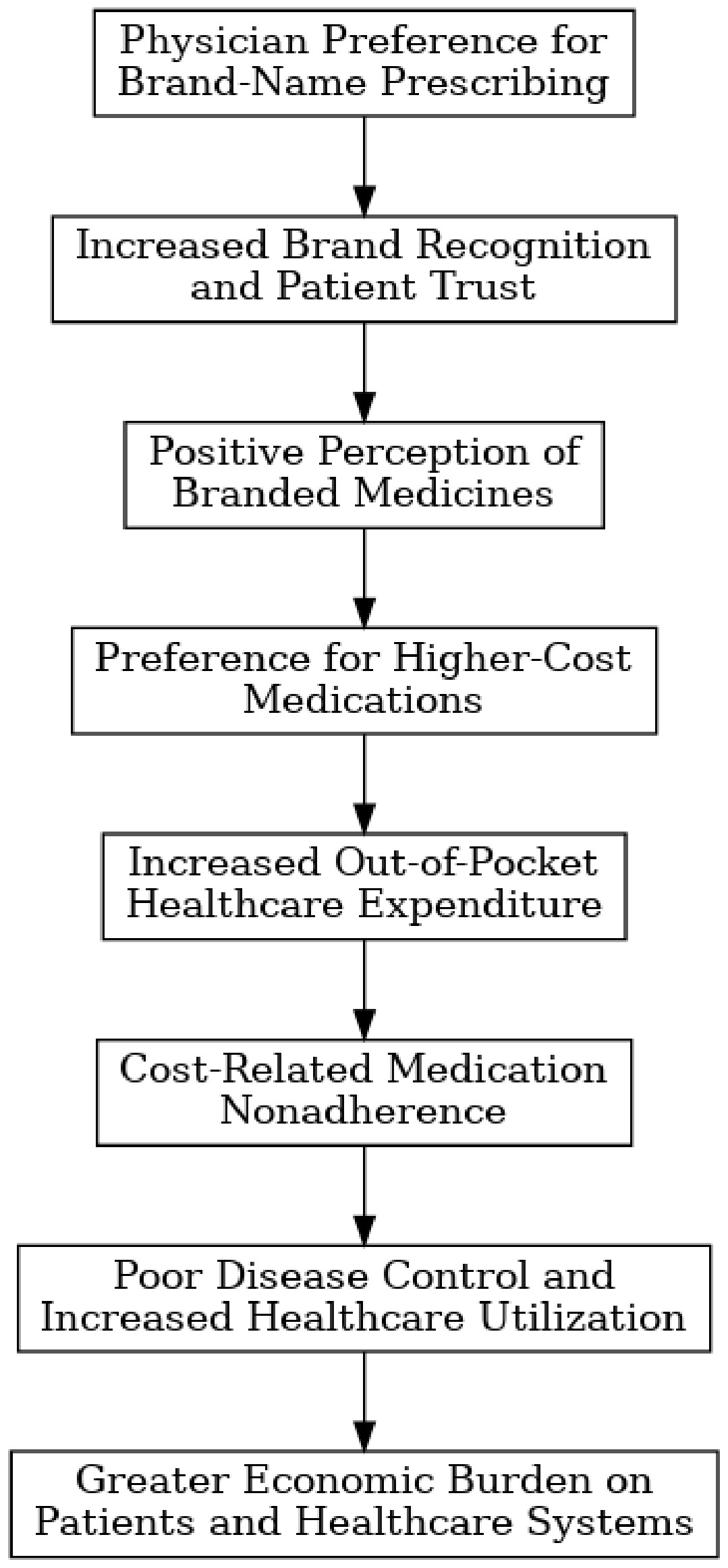
    Medication adherence refers to the extent to which a patient follows prescribed therapeutic recommendations regarding dosage, timing, frequency, and duration of treatment. Adherence is essential for achieving optimal therapeutic outcomes, particularly in chronic diseases requiring long-term pharmacotherapy. However, medication nonadherence remains a major public health challenge worldwide and is influenced by multiple clinical, psychological, social, and economic factors (Håkonsen and Toverud, 2012). Among these determinants, prescription cost and patient perception toward medicines play especially significant roles. Brand name prescribing may indirectly influence adherence through its effects on treatment affordability and patient beliefs regarding medication efficacy. Patients often perceive branded medicines as superior and therefore may initially demonstrate higher confidence in therapy when prescribed recognizable brand names . However, the higher cost associated with branded medications can negatively affect long-term adherence, especially among individuals requiring prolonged treatment. Cost-related medication nonadherence is particularly common in chronic diseases such as asthma, Chronic Obstructive Pulmonary Disease (COPD), diabetes mellitus, hypertension, cardiovascular disease, and psychiatric illnesses. Patients facing financial difficulties may intentionally skip doses, reduce dosing frequency, postpone prescription refills, or discontinue therapy altogether to minimize treatment expenses . Such practices can significantly compromise disease control and increase the risk of complications, hospitalization, and mortality. Several studies have demonstrated that generic substitution improves medication adherence primarily through reduction of out-of-pocket expenditure. Lower-cost generic medicines reduce financial barriers to treatment continuation and improve access to essential medications . Patients receiving affordable therapy are more likely to maintain consistent medication use and adhere to long-term treatment regimens. Psychological factors also contribute to adherence behaviour following generic substitution. While some patients readily accept generics, others may perceive them as inferior despite equivalent pharmacological composition. Negative beliefs regarding generic medicines may lead to intentional nonadherence or discontinuation after substitution . In certain cases, patients report reduced therapeutic effectiveness or increased adverse effects after switching from branded to generic products, even when no objective clinical differences exist. Medication appearance and packaging may additionally affect adherence. Differences in tablet colour, size, shape, or packaging between branded and generic formulations can confuse patients, especially elderly individuals receiving multiple medications. Such confusion may increase the risk of missed doses, duplicate dosing, or treatment discontinuation. Consistency in medication appearance has therefore been identified as an important factor supporting adherence. The physician-patient relationship strongly influences adherence behaviour. Patients who trust their physicians are more likely to follow treatment recommendations, including acceptance of generic substitutions . Clear communication regarding the safety, efficacy, and equivalence of generic medicines can improve patient confidence and reduce resistance toward generic prescribing. Conversely, inadequate counselling may reinforce misconceptions and negatively affect adherence. Healthcare system factors also influence medication adherence. Limited insurance coverage, poor medicine availability, inadequate counselling services, and inconsistent pharmacy substitution policies may create additional barriers to continuous therapy . In developing countries, these challenges are often compounded by poverty, low health literacy, and fragmented healthcare access. Pharmacists play an important role in improving adherence by counselling patients regarding proper medicine use, addressing concerns about generic substitution, simplifying dosing schedules, and identifying cost-effective alternatives . Pharmacist-led educational interventions have been associated with improved adherence rates and greater patient acceptance of generic medicines. Improving medication adherence requires a multifaceted approach involving rational prescribing, affordable healthcare access, patient education, and effective physician-patient communication. Encouraging evidence-based generic prescribing may reduce economic barriers to adherence while maintaining therapeutic effectiveness. Addressing psychological misconceptions surrounding generic medicines is equally important in ensuring successful long-term treatment outcomes. Overall, medication adherence is influenced not only by pharmacological efficacy but also by economic affordability, patient perception, healthcare communication, and prescription practices. Brand name prescribing may therefore have both direct and indirect consequences on treatment continuation and overall patient health outcomes ( (Figure 1)).

    ROLE OF PHARMACISTS, HEALTHCARE PROFESSIONALS, AND POLICY MAKERS IN PROMOTING RATIONAL PRESCRIBING
    Promoting rational prescribing practices requires coordinated efforts from physicians, pharmacists, healthcare institutions, regulatory authorities, and policymakers. Since irrational brand-oriented prescribing contributes to increased healthcare expenditure and reduced medication accessibility, healthcare professionals play a critical role in encouraging evidence-based and cost-effective medicine use . Pharmacists are uniquely positioned to support rational prescribing because of their expertise in pharmacology, therapeutics, bioequivalence, and medication counselling. Community and hospital pharmacists frequently serve as the final healthcare professionals interacting with patients before medication administration, allowing them to identify irrational prescriptions, suggest affordable generic alternatives, and educate patients regarding appropriate medicine use . One of the most important pharmacist-led interventions is generic substitution. Pharmacists can recommend lower-cost generic equivalents when therapeutically appropriate, thereby reducing financial burden without compromising treatment efficacy. Studies have shown that pharmacist-led substitution programs can substantially reduce patient expenditure and improve medication adherence . Effective pharmacist counselling may also reduce misconceptions regarding generic medicines and improve patient confidence in treatment. Patient education remains essential for improving acceptance of generic medicines. Many patients are unaware that generic medicines undergo strict regulatory evaluation for safety, efficacy, and bioequivalence. Pharmacists and physicians should therefore provide clear explanations regarding therapeutic equivalence and reassure patients regarding the effectiveness of approved generic formulations . Counselling becomes especially important among elderly patients and individuals with chronic diseases requiring long-term therapy. Physicians also have a central responsibility in promoting rational prescribing. Prescribing medicines using generic names whenever clinically appropriate can reduce unnecessary healthcare costs and improve accessibility. Evidence-based prescribing should prioritize therapeutic efficacy, patient affordability, safety, and adherence rather than commercial brand preference . Continuing medical education programs focused on Pharmacoeconomics and rational drug use may help physicians make more cost-conscious prescribing decisions. Healthcare institutions can further support rational prescribing through formulary management, prescription audits, antibiotic stewardship programs, and clinical pharmacy services. Hospital formularies emphasizing essential and generic medicines may reduce irrational prescribing patterns and improve cost-effective treatment delivery . Electronic prescribing systems that display generic names prominently may additionally encourage generic prescribing behaviour among clinicians. Regulatory authorities and policymakers play a crucial role in shaping national prescribing practices. Government interventions such as mandatory generic prescribing policies, medicine price control regulations, and promotion of essential medicine lists are important strategies for reducing healthcare expenditure (World Health Organization, 2002). In India, initiatives such as the Pradhan Mantri Bhartiya Janaushadhi Pariyojana (PMBJP) aim to improve accessibility to affordable generic medicines through dedicated pharmacies across the country. The World Health Organization (WHO) strongly advocates rational medicine use and emphasizes that patients should receive medications appropriate to their clinical needs, in doses meeting individual requirements, for an adequate duration, and at the lowest possible cost . Achieving this objective requires strong healthcare policies, effective medicine regulation, and public awareness regarding generic medicines. Pharmaceutical marketing practices also require stricter ethical regulation. Transparency regarding physician-industry relationships and limitations on promotional incentives may reduce commercially influenced prescribing behaviour . Academic detailing programs, which provide unbiased evidence-based prescribing information to clinicians, have shown effectiveness in improving rational prescribing practices and reducing inappropriate brand preference. Public awareness campaigns can additionally improve societal acceptance of generic medicines. Educational programs using mass media, community outreach, and healthcare counselling can address misconceptions regarding generic quality and effectiveness. 71 Increased public understanding may encourage patients to actively participate in cost-effective healthcare decisions and improve acceptance of generic substitution. Despite these interventions, challenges remain in implementing rational prescribing practices. Concerns regarding medicine quality, inconsistent generic availability, lack of physician confidence, and patient mistrust continue to hinder wider adoption of generic prescribing. Addressing these barriers requires continuous collaboration among healthcare professionals, academic institutions, regulatory agencies, and policymakers. Ultimately, rational prescribing is not solely a pharmacological issue but also an economic, ethical, and public health responsibility. Encouraging evidence-based generic prescribing and improving awareness regarding affordable medicines may significantly reduce healthcare expenditure, improve adherence, and enhance equitable healthcare access.

    CHALLENGES AND BARRIERS TO GENERIC PRESCRIBING

    Despite strong scientific evidence supporting the therapeutic equivalence of generic medicines, several barriers continue to limit the widespread adoption of generic prescribing practices worldwide. These challenges arise from a complex interaction of physician perceptions, patient beliefs, pharmaceutical marketing influences, healthcare system limitations, and regulatory concerns. 72 Understanding these barriers is essential for developing strategies that promote rational prescribing and improve healthcare affordability. One of the most significant barriers is persistent concern regarding the quality and efficacy of generic medicines. Many physicians remain skeptical about the manufacturing standards, bioavailability, and therapeutic consistency of generic formulations, particularly in developing countries where regulatory systems may vary in strength and enforcement . Such concerns are especially prominent for drugs with narrow therapeutic indices, including antiepileptics, anticoagulants, immunosuppressants, and cardiovascular medications. Patient mistrust toward generic medicines also substantially limits generic acceptance. Patients frequently associate lower-cost medicines with inferior quality and reduced effectiveness . In many healthcare settings, branded medicines are perceived as safer, more reliable, and more effective because of stronger marketing visibility and physician preference. These perceptions may result in refusal of generic substitution, reduced adherence, or dissatisfaction with therapy after switching from branded products. Pharmaceutical industry influence represents another major challenge to rational prescribing. Aggressive promotional strategies by pharmaceutical companies often reinforce brand loyalty among healthcare professionals through medical representative interactions, sponsored educational programs, free samples, and financial incentives . Continuous exposure to branded drug promotion may unconsciously shape physician prescribing behaviour and reduce confidence in generic alternatives. Lack of adequate education regarding generic medicines among healthcare professionals further contributes to irrational prescribing practices. Some physicians and even pharmacists may have insufficient understanding of bioequivalence principles, regulatory approval requirements, and pharmacoeconomic benefits associated with generic substitution (World Health Organization, 2002). Inadequate training in rational prescribing and Pharmacoeconomics may therefore limit evidence-based prescribing decisions. Inconsistent availability of generic medicines is another practical barrier. Supply chain limitations, stock shortages, and variability in generic product availability may discourage both physicians and patients from relying on generic medicines for chronic disease management . Physicians may prefer prescribing stable and consistently available branded products to ensure continuity of therapy, particularly for critically ill patients. Variability in medicine appearance and packaging can also negatively affect patient acceptance and adherence. Generic medicines often differ from branded products in colour, size, labelling, and packaging design despite identical pharmacological composition . Such differences may confuse patients, especially elderly individuals receiving multiple medications, and contribute to medication errors or treatment discontinuation. Healthcare infrastructure limitations additionally hinder effective generic prescribing. In some healthcare systems, absence of electronic prescribing support, inadequate clinical pharmacy services, and weak prescription auditing mechanisms reduce opportunities for promoting rational medicine use . Limited communication between physicians and pharmacists may further restrict collaborative efforts aimed at cost-effective prescribing. Regulatory challenges also remain important. Substandard and counterfeit medicines in poorly regulated markets may damage public trust in generic products overall . Reports of poor-quality medicines can create generalized fear regarding generic substitution even when most approved generics meet regulatory quality standards. Strengthening medicine regulation and post-marketing surveillance is therefore essential for maintaining confidence in generic medicines. Cultural and social factors may additionally influence medicine preference. In many societies, expensive medicines are viewed as symbols of superior healthcare quality and social status . Patients may therefore demand branded products despite the availability of affordable alternatives. Family recommendations, media influence, and community beliefs may further reinforce these attitudes. Although policies encouraging generic prescribing exist in many countries, implementation often remains inconsistent. Weak enforcement of generic prescribing regulations, lack of monitoring systems, and resistance from stakeholders can reduce the effectiveness of policy interventions . Successful implementation requires cooperation among physicians, pharmacists, healthcare administrators, regulatory authorities, and policymakers. Addressing these barriers requires multifaceted interventions including physician education, patient counselling, stronger regulatory oversight, improved medicine quality assurance, ethical control of pharmaceutical marketing, and enhanced public awareness regarding generic medicine safety and efficacy. Promoting trust in generic medicines is essential for improving affordability, adherence, and equitable healthcare access. Ultimately, the challenges surrounding generic prescribing are not purely scientific but also psychological, social, institutional, and economic. Overcoming these barriers is crucial for advancing rational drug use and reducing unnecessary healthcare expenditure globally.

    FUTURE PERSPECTIVES AND RECOMMENDATIONS

    The growing economic burden associated with healthcare expenditure has intensified the need for rational prescribing and cost-effective medication use worldwide. As healthcare systems increasingly face financial constraints, promoting evidence-based generic prescribing is expected to become an essential strategy for improving accessibility, affordability, and sustainability of healthcare services . Future approaches must therefore focus on strengthening trust in generic medicines while minimizing unnecessary brand-oriented prescribing practices. One of the most important future priorities is enhancing physician education regarding generic medicines and Pharmacoeconomics. Medical curricula and continuing medical education programs should incorporate comprehensive training on bioequivalence principles, rational prescribing, medication cost analysis, and ethical prescribing practices (Maxwell, 2016). Improved awareness among physicians may reduce misconceptions regarding generic medicines and encourage evidence-based prescribing decisions. Digital health technologies may also play a major role in promoting rational prescribing. Electronic prescribing systems can be designed to prioritize generic names, display cost comparisons between branded and generic products, and provide evidence-based prescribing recommendations . Integration of clinical decision support systems may assist healthcare professionals in selecting affordable therapeutic alternatives without compromising efficacy or patient safety. Artificial intelligence and big data analytics may further contribute to optimizing prescribing behaviour in the future. Predictive healthcare models could identify patterns of irrational prescribing, medication nonadherence, and excessive pharmaceutical expenditure . Such systems may support healthcare institutions and policymakers in implementing targeted interventions aimed at improving prescription quality and reducing healthcare costs. Strengthening regulatory systems remains another essential priority. Regulatory authorities must ensure strict quality assurance, bioequivalence evaluation, and post-marketing surveillance for generic medicines (World Health Organization, n.d.-b). Transparent regulation and effective monitoring can improve public confidence in generic products and reduce concerns regarding medicine quality. Stronger actions against substandard and counterfeit medicines are equally important for maintaining trust in healthcare systems. Pharmacists are expected to play an increasingly important role in future healthcare delivery models. Expansion of clinical pharmacy services, pharmacist-led medication counseling, and collaborative prescribing models may significantly improve generic medicine acceptance and adherence . Community pharmacists can also contribute to public education regarding safe and cost-effective medicine use. Public awareness campaigns should be strengthened to address misconceptions surrounding generic medicines. Educational initiatives using digital media, healthcare institutions, schools, and community outreach programs can improve understanding regarding bioequivalence and therapeutic effectiveness . Increasing public health literacy may encourage patients to actively participate in affordable healthcare decisions and improve acceptance of generic substitution. Healthcare policies promoting generic prescribing require stronger implementation and monitoring. Governments may consider mandatory generic prescribing regulations, essential medicine prescribing systems, reimbursement incentives for generic use, and stricter oversight of pharmaceutical marketing practices (Simoens, 2012). Policies encouraging transparency regarding physician-industry financial relationships may additionally reduce commercially influenced prescribing behaviour. Research in Pharmacoeconomics and medication adherence should also continue expanding. Future studies should evaluate the long-term economic outcomes of generic prescribing, patient-centered perceptions regarding substitution, and the effectiveness of interventions aimed at improving rational drug use . More evidence from low-and middle-income countries is particularly important because healthcare financing patterns and patient behaviours may differ substantially from those observed in high-income settings. Interprofessional collaboration among physicians, pharmacists, nurses, healthcare administrators, and policymakers will be essential for achieving sustainable improvements in prescribing practices. Rational medicine use cannot be achieved through isolated interventions alone but requires coordinated healthcare system reform focused on affordability, accessibility, patient education, and evidence-based prescribing. Ultimately, the future of healthcare depends not only on the development of innovative medicines but also on ensuring equitable access to effective and affordable treatment. Encouraging rational generic prescribing represents an important opportunity to reduce economic burden, improve medication adherence, and strengthen healthcare sustainability globally.

    CONCLUSION

    Brand name prescribing significantly influences patient perception, medication adherence, and healthcare expenditure, extending its impact far beyond the pharmacological effects of medicines alone. Although generic medicines are therapeutically equivalent to branded formulations and are approved through rigorous regulatory evaluation, persistent preference for branded prescribing continues to dominate clinical practice in many healthcare systems. The findings discussed throughout this review demonstrate that prescription writing affects not only treatment selection but also patient psychology and healthcare behaviour. Patients frequently associate branded medicines with superior quality, efficacy, and safety, while generic medicines are often perceived as less reliable despite scientific evidence supporting bioequivalence. Such perceptions may contribute to resistance toward generic substitution and influence medication-taking behaviour. Economic burden remains one of the most important consequences of irrational brand-oriented prescribing. High medication costs associated with branded medicines can reduce treatment accessibility and contribute to cost-related medication nonadherence, particularly among patients requiring long-term therapy for chronic illnesses such as asthma, chronic obstructive pulmonary disease, diabetes mellitus, hypertension, and cardiovascular disorders. Poor adherence resulting from financial constraints may subsequently increase hospitalization, disease progression, healthcare utilization, and overall healthcare expenditure. Physician prescribing behaviour is influenced by multiple factors including pharmaceutical marketing, institutional prescribing culture, familiarity with branded products, perceived concerns regarding generic quality, and patient expectations. Similarly, patient acceptance of generic medicines is shaped by educational status, healthcare literacy, social beliefs, and previous treatment experiences. These complex interactions highlight the need for multidimensional interventions to promote rational medicine use. Pharmacists, physicians, healthcare institutions, and policymakers all play essential roles in improving generic medicine acceptance and encouraging evidence-based prescribing practices. Patient counselling, prescription auditing, pharmacist-led substitution programs, stronger regulation of pharmaceutical promotion, and public awareness initiatives are important strategies for reducing unnecessary healthcare expenditure and improving medication adherence. Government policies promoting affordable medicines, including essential medicine programs and generic prescribing initiatives, have substantial potential to improve healthcare accessibility and reduce economic disparities in treatment access. However, successful implementation requires strengthening regulatory oversight, ensuring medicine quality assurance, improving healthcare professional education, and addressing public misconceptions regarding generic medicines. Ultimately, rational prescribing should prioritize therapeutic effectiveness, patient safety, affordability, and adherence rather than commercial brand preference. Promoting evidence-based generic prescribing may significantly reduce economic burden while maintaining optimal clinical outcomes and improving equitable healthcare access. Future healthcare systems must therefore integrate pharmacoeconomic principles, patient-centered communication, and rational prescribing strategies to ensure sustainable and accessible medical care for all populations.

    References

    Al Ameri, M. N., Whittaker, C., Tucker, A. (2017). A review of barriers affecting patient participation in pharmaceutical care services. Journal of Pharmacy and Health Services Research, 8(4), 235-241. https://doi.org/10.1111/jphs.12182
    Briesacher, B. A., Andrade, S. E., Fouayzi, H., Chan, K. A. (2009). Medication adherence and use of generic drug therapies. American Journal of Managed Care, 15(7), 450-456. https://doi.org/10.37765/ajmc.2009.42713
    Brown, M. T., Bussell, J. K. (2011). Medication adherence: WHO cares?. Mayo Clinic Proceedings, 86(4), 304-314. https://doi.org/10.4065/mcp.2010.0575
    Campbell, E. G., Gruen, R. L., Mountford, J., Miller, L. G., Cleary, P. D., Blumenthal, D. (2007). A national survey of physician-industry relationships. New England Journal of Medicine, 356(17), 1742-1750. https://doi.org/10.1056/NEJMsa064508
    Cameron, A., Ewen, M., Ross-Degnan, D., Ball, D., Laing, R. (2009). Medicine prices, availability, and affordability in 36 developing and middle-income countries. The Lancet, 373(9659), 240-249. https://doi.org/10.1016/S0140-6736(08)61762-6
    Cameron, A., Mantel-Teeuwisse, A. K., Leufkens, H. G. M., Laing, R. O. (2012). Switching from originator brand medicines to generic equivalents in selected developing countries: How much could be saved?. Value in Health, 15(5), 664-673. https://doi.org/10.1016/j.jval.2012.04.004
    Colgan, S., Faasse, K., Martin, L. R., Stephens, M. H., Grey, A., Petrie, K. J. (2015). Perceptions of generic medication in the general population, doctors and pharmacists: A systematic review. BMJ Open, 5(12), e008915. https://doi.org/10.1136/bmjopen-2015-008915
    Cutler, R. L., Fernandez-Llimos, F., Frommer, M., Benrimoj, C., Garcia-Cardenas, V. (2018). Economic impact of medication non-adherence by disease groups: A systematic review. BMJ Open, 8(1), e016982. https://doi.org/10.1136/bmjopen-2017-016982
    Dunne, S. S., Shannon, B., Dunne, C. P., Cullen, W. (2014). Patient perceptions of generic medicines: A mixed-methods study. The Patient, 7(2), 177-185. https://doi.org/10.1007/s40271-013-0042-0
    Dylst, P., Vulto, A., Simoens, S. (2011). The impact of reference-pricing systems in Europe: A literature review and case studies. Expert Review of Pharmacoeconomics & Outcomes Research, 11(6), 729-737. https://doi.org/10.1586/erp.11.7
    Figueiras, A., Caamaño, F., Gestal-Otero, J. J. (2000). Sociodemographic factors related to the consumption of drugs in Spain. European Journal of Epidemiology, 16(1), 19-26. https://doi.org/10.1023/A:1007612805886
    Figueiras, M. J., Marcelino, D., Cortes, M. A. (2010). Patients' knowledge and attitudes toward generic medicines. Pharmacy World & Science, 32(6), 739-746. https://doi.org/10.1007/s11096-010-9433-x
    Goldman, D. P., Joyce, G. F., Escarce, J. J. (2004). Pharmacy benefits and the use of drugs by the chronically ill. JAMA, 291(19), 2344-2350. https://doi.org/10.1001/jama.291.19.2344
    Goldszmidt, R. B., Andrades, G. R., Susin, C. (2019). Impact of generic labels on the consumption of and adherence to medication. European Journal of Public Health, 29(1), 12-17. https://doi.org/10.1093/eurpub/cky127
    Godman, B., Shrank, W., Andersen, M. (2010). Comparing policies to enhance prescribing efficiency in Europe through increasing generic utilization: Changes seen and global implications. Expert Review of Pharmacoeconomics & Outcomes Research, 10(6), 707-722. https://doi.org/10.1586/erp.10.72
    Gupta, S. K., Nayak, R. P., Vidyarthi, S. K. (2015). A study on the knowledge, attitude, and practice of generic medicines among doctors in a tertiary care teaching hospital in South India. National Journal of Physiology, Pharmacy and Pharmacology, 5(1), 39-44. https://doi.org/10.5455/njppp.2015.5.280920141
    Håkonsen, H., Toverud, E. L. (2012). A review of patient perspectives on generics substitution: What are the challenges for optimal drug use. Generics and Biosimilars Initiative Journal, 1(1), 28-32. https://doi.org/10.5639/gabij.2012.0101.007
    Hassali, M. A., Shafie, A. A., Jamshed, S. Q., Ibrahim, M. I. M., Awaisu, A. (2009). Consumers' views on generic medicines: A review of the literature. International Journal of Pharmacy Practice, 17(2), 79-88. https://doi.org/10.1211/ijpp.17.02.0002
    Heikkilä, R., Mäntyselkä, P., Hartikainen-Herranen, K., Ahonen, R. (2007). Customers' and physicians' opinions of and experiences with generic substitution during the first year in Finland. Health Policy, 82(3), 366-374. https://doi.org/10.1016/j.healthpol.2006.10.006
    Himmel, W., Simmenroth-Nayda, A., Niebling, W. (2005). What do primary care patients think about generic drugs?. International Journal of Clinical Pharmacology and Therapeutics, 43(10), 472-479. https://doi.org/10.5414/cpp43472
    Holloway, K., van Dijk, L. (2011). The world medicines situation 2011: Rational use of medicines.
    Jiang, F., Jiang, Y., Zhi, H. (2017). Artificial intelligence in healthcare: Past, present and future. Stroke and Vascular Neurology, 2(4), 230-243. https://doi.org/10.1136/svn-2017-000101
    Johansen, M. E., Richardson, C. R. (2017). The ecology of medical care before and after health reform in the United States. Annals of Family Medicine, 15(5), 419-424. https://doi.org/10.1370/afm.2115
    Kaushal, R., Shojania, K. G., Bates, D. W. (2003). Effects of computerized physician order entry and clinical decision support systems on medication safety. Archives of Internal Medicine, 163(12), 1409-1416. https://doi.org/10.1001/archinte.163.12.1409
    Kesselheim, A. S., Misono, A. S., Shrank, W. H. (2013). Variations in pill appearance of antiepileptic drugs and the risk of nonadherence. JAMA Internal Medicine, 173(3), 202-208. https://doi.org/10.1001/2013.jamainternmed.997
    King, D. R., Kanavos, P. (2002). Encouraging the use of generic medicines: Implications for transition economies. Croatian Medical Journal, 43(4), 462-469.
    Kjoenniksen, I., Lindbaek, M., Granas, A. G. (2006). Generic substitution: Additional challenge for adherence in hypertensive patients?. Current Medical Research and Opinion, 22(5), 947-953. https://doi.org/10.1185/030079906X104768
    Kjoenniksen, I., Lindbaek, M., Granas, A. G. (2006). Patients' attitudes towards and experiences of generic drug substitution in Norway. Pharmacy World & Science, 28(5), 284-289. https://doi.org/10.1007/s11096-006-9043-8
    Mekonnen, A. B., McLachlan, A. J., Brien, J. A. (2016). Pharmacy-led medication reconciliation programmes at hospital transitions: A systematic review and meta-analysis. Journal of Clinical Pharmacy and Therapeutics, 41(2), 128-144. https://doi.org/10.1111/jcpt.12364
    Mitchell, A. P., Trivedi, N. U., Gennarelli, R. L. (2021). Are financial payments from the pharmaceutical industry associated with physician prescribing?. Annals of Internal Medicine, 174(3), 353-361. https://doi.org/10.7326/M20-5665
    (n.d.). Professional conduct, etiquette and ethics regulations..
    Newton, P. N., Green, M. D., Fernández, F. M. (2010). Impact of poor-quality medicines in the 'developing' world. Trends in Pharmacological Sciences, 31(3), 99-101. https://doi.org/10.1016/j.tips.2009.11.005
    O'Brien, M. A., Rogers, S., Jamtvedt, G. (2007). Educational outreach visits: Effects on professional practice and healthcare outcomes. Cochrane Database of Systematic Reviews, (4), CD000409(4). https://doi.org/10.1002/14651858.CD000409.pub2
    Ofori-Asenso, R., Agyeman, A. A. (2016). Irrational use of medicines-A summary of key concepts. Pharmacy, 4(4), 35. https://doi.org/10.3390/pharmacy4040035
    Oparah, A. C., Kikanme, L. C. (2006). Consumer satisfaction with community pharmacies in Warri, Nigeria. Research in Social and Administrative Pharmacy, 2(4), 499-511. https://doi.org/10.1016/j.sapharm.2006.02.001
    Osterberg, L., Blaschke, T. (2005). Adherence to medication. New England Journal of Medicine, 353(5), 487-497. https://doi.org/10.1056/NEJMra050100
    Patel, A., Gauld, R., Norris, P., Rades, T. (2010). "This body does not want free medicines": South African consumer perceptions of drug quality. Health Policy and Planning, 25(1), 61-69. https://doi.org/10.1093/heapol/czp044
    Patel, A., Gauld, R., Norris, P., Rades, T. (2012). Quality of generic medicines in South Asia: A systematic review. PLoS One, 7(11), e49122. https://doi.org/10.1371/journal.pone.0049122
    Piette, J. D., Heisler, M., Horne, R., Caleb Alexander, G. (2006). A conceptually based approach to understanding chronically ill patients' responses to medication cost pressures. Social Science & Medicine, 62(4), 846-857. https://doi.org/10.1016/j.socscimed.2005.06.045
    Prosser, H., Walley, T. (2003). Understanding why GPs see pharmaceutical representatives: A qualitative interview study. British Journal of General Practice, 53(489), 305-311. https://doi.org/10.1093/fampra/cmg516
    Quick, J. D., Hogerzeil, H. V., Velásquez, G., Rago, L. (2002). Twenty-five years of essential medicines. Bulletin of the World Health Organization, 80(11), 913-914.
    Rataboli, P. V., Dang, A. (2007). Antimicrobial price variation: Conspiracy of profiteers?. Indian Journal of Medical Sciences, 61(6), 308-311. https://doi.org/10.4103/0019-5359.32676
    Sabaté, E. (2003). Adherence to long-term therapies: Evidence for action.
    Selvaraj, S., Karan, A. (2009). Deepening health insecurity in India: Evidence from National Sample Surveys since 1980s. Economic and Political Weekly, 44(40), 55-60.
    Shiv, B., Carmon, Z., Ariely, D. (2005). Placebo effects of marketing actions: Consumers may get what they pay for. Journal of Marketing Research, 42(4), 383-393. https://doi.org/10.1509/jmkr.2005.42.4.383
    Shrank, W. H., Cox, E. R., Fischer, M. A., Mehta, J., Choudhry, N. K. (2009). Patients' perceptions of generic medications. Health Affairs, 28(2), 546-556. https://doi.org/10.1377/hlthaff.28.2.546
    Shrank, W. H., Liberman, J. N., Fischer, M. A. (2011). Physician perceptions about generic drugs. Annals of Pharmacotherapy, 45(1), 31-38. https://doi.org/10.1345/aph.1P389
    Simoens, S., De Coster, S. (2006). Sustaining generic medicines markets in Europe. Journal of Generic Medicines, 3(4), 257-268. https://doi.org/10.1057/palgrave.jgm.4950043
    Sriram, S., Ghasemi, A., Ramasamy, R. (2018). Prevalence of brand name prescribing and physicians' perceptions of the use of generic drugs. British Journal of Clinical Pharmacology, 84(11), 2524-2534. https://doi.org/10.1111/bcp.13735
    Soumerai, S. B., Pierre-Jacques, M., Zhang, F. (2006). Cost-related medication nonadherence among elderly and disabled Medicare beneficiaries. Archives of Internal Medicine, 166(17), 1829-1835. https://doi.org/10.1001/archinte.166.17.1829
    Toklu, H. Z., Akici, A. (2019). Rational use of medicines: A worldwide review of barriers and solutions. Current Pharmaceutical Healthcare Professions, 5(4), 1-8. https://doi.org/10.2174/2210323805666190308150741
    (n.d.). Generic drug facts..
    Ventola, C. L. (2011). Direct-to-consumer pharmaceutical advertising: Therapeutic or toxic?. P & T, 36(10), 669-684.
    Waber, R. L., Shiv, B., Carmon, Z., Ariely, D. (2008). Commercial features of placebo and therapeutic efficacy. JAMA, 299(9), 1016-1017. https://doi.org/10.1001/jama.299.9.1016
    Wettermark, B., Godman, B., Jacobsson, B., Haaijer-Ruskamp, F. M. (2009). Soft regulations in pharmaceutical policy making: An overview of current approaches and their consequences. Applied Health Economics and Health Policy, 7(3), 137-147. https://doi.org/10.2165/00148365-200907030-00002
    (2002). Promoting rational use of medicines: Core components (WHO Policy Perspectives on Medicines)..
    (n.d.). Generic medicines..
    (n.d.). WHO Expert Committee on Specifications for Pharmaceutical Preparations..

    Conflict of Interest

    The authors declare that there is no conflict of interest.

    Related Articles