

Share on Mobile
Scan to access on mobile
Keywords
INTRODUCTION
Table 1: General characteristics of phenolic compounds.
|
Characteristic |
Description |
|---|---|
|
Chemical nature |
Plant secondary metabolites |
|
Basic structural feature |
Aromatic ring with one or more hydroxyl groups |
|
Major forms |
Free, bound, glycosylated, monomeric, and polymeric forms |
|
Major classes |
Phenolic acids, flavonoids, tannins, coumarins, lignans, stilbenes, quinones, and curcuminoids |
|
Plant distribution |
Leaves, flowers, fruits, seeds, stems, bark, and roots |
|
Major plant functions |
Defense, UV protection, antioxidant protection, pigmentation, and adaptation to stress |
|
Important biological properties |
Antioxidant, anti-inflammatory, antimicrobial, antiviral, and other pharmacological activities |
Table 2: Major classes of phenolic compounds found in medicinal plants.
|
Phenolic class |
Main structural feature |
Representative compounds |
Examples of medicinal plant sources |
|---|---|---|---|
|
Phenolic acids |
C6-C1 or C6-C3 skeleton |
Gallic acid, caffeic acid, ferulic acid |
Syzygium aromaticum, Salvia officinalis, Zingiber officinale |
|
Flavonoids |
C6-C3-C6 skeleton |
Quercetin, kaempferol, catechin, apigenin |
Camellia sinensis, Ginkgo biloba, Ocimum basilicum |
|
Tannins |
Polyphenolic structures |
Tannic acid, proanthocyanidins |
Terminalia spp., Acacia spp. |
|
Stilbenes |
C6-C2-C6 skeleton |
Resveratrol, pterostilbene |
Vitis vinifera, Pinus spp. |
|
Lignans |
Two phenylpropanoid units |
Sesamin, podophyllotoxin |
Sesamum indicum, Podophyllum spp. |
|
Coumarins |
Benzopyrone nucleus |
Coumarin, esculetin, scopoletin |
Cinnamomum spp., Angelica spp. |
|
Quinones |
Quinone aromatic system |
Juglone, lawsone |
Juglans spp., Lawsonia inermis |
|
Curcuminoids |
Diarylheptanoid-type structure |
Curcumin, demethoxycurcumin |
Curcuma longa |
|
Xanthones |
Xanthone nucleus |
Mangiferin, α-mangostin |
Mangifera indica, Garcinia spp. |
Table 3: Important structural features of phenolic compounds and their effects.
|
Structural feature |
Examples |
Possible influence |
|---|---|---|
|
Hydroxyl groups |
Phenolic acids, flavonoids |
Hydrogen donation and radical stabilization |
|
Number of aromatic rings |
Flavonoids, tannins |
Influences molecular size and biological interactions |
|
Methoxy groups |
Ferulic acid, methoxylated flavonoids |
Can increase lipophilicity and alter reactivity |
|
Glycosyl groups |
Rutin, quercetin glycosides |
Can affect solubility, stability, absorption, and metabolism |
|
Carboxyl group |
Gallic, caffeic, ferulic acids |
Influences polarity and chemical reactivity |
|
Conjugated system |
Flavonoids, anthocyanins, stilbenes |
Supports electron delocalization and colour formation |
|
Polymerization |
Tannins, proanthocyanidins |
Increases molecular size and affects protein binding |
Table 4: Distribution of major phenolic groups in medicinal plant parts.
|
Plant part |
Common phenolic groups |
Representative examples |
|---|---|---|
|
Leaves |
Flavonoids, phenolic acids |
Quercetin, rutin, caffeic acid |
|
Flowers |
Flavonoids, anthocyanins, phenolic acids |
Kaempferol, anthocyanins, gallic acid |
|
Fruits |
Phenolic acids, flavonoids, tannins |
Chlorogenic acid, quercetin, catechins |
|
Seeds |
Phenolic acids, flavonoids, lignans |
Ferulic acid, catechins, lignans |
|
Bark |
Tannins, phenolic acids, flavonoids |
Tannins, gallic acid, catechins |
|
Roots |
Phenolic acids, flavonoids, lignans, coumarins |
Caffeic acid derivatives, lignans, coumarins |
|
Stems |
Phenolic acids, flavonoids, tannins |
Ferulic acid, flavonoids, condensed tannins |
Table 5: Major extraction methods used for phenolic compounds from medicinal plants.
|
Extraction method |
Main principle |
Major advantages |
Important limitations |
|---|---|---|---|
|
Maceration |
Soaking plant material in solvent |
Simple and inexpensive |
Long extraction time |
|
Percolation |
Continuous passage of solvent through plant material |
Better solvent contact |
Time and solvent requirements |
|
Soxhlet extraction |
Repeated hot-solvent extraction |
Exhaustive extraction |
Prolonged heating |
|
UAE |
Ultrasonic cavitation improves mass transfer |
Rapid and lower solvent use |
Requires process optimization |
|
MAE |
Microwave energy provides rapid heating |
Short extraction time |
Possible thermal degradation |
|
PLE |
High pressure and temperature improve extraction |
Efficient and reproducible |
Higher equipment cost |
|
SFE |
Supercritical fluid extracts target compounds |
Selective and low solvent residue |
Less suitable for highly polar compounds |
|
EAE |
Enzymes disrupt plant cell-wall components |
Mild conditions and improved release |
Enzyme cost |
|
DES extraction |
Tunable alternative solvent systems |
Potentially greener and selective |
High viscosity and optimization requirements |
Table 6: Major chromatographic techniques used for phenolic compounds.
|
Technique |
Major application |
Information obtained |
|---|---|---|
|
HPLC |
Separation and quantification |
Individual phenolic compounds |
|
HPTLC |
Separation and fingerprinting |
Characteristic bands and quantitative data |
|
LC-MS |
Identification of phenolics |
Molecular mass and chromatographic profile |
|
LC-MS/MS |
Detailed identification |
Molecular mass and fragmentation pattern |
|
GC-MS |
Analysis of volatile or derivatized phenolics |
Retention behaviour and mass spectral information |
|
Chromatographic fingerprinting |
Quality control and authentication |
Overall chemical profile |
Table 7: Spectroscopic and spectrometric techniques used for phenolic characterization.
|
Technique |
Major application |
Information obtained |
|---|---|---|
|
UV-visible spectroscopy |
Preliminary screening and total phenolic estimation |
Absorption characteristics |
|
FTIR |
Functional-group analysis |
Characteristic chemical bonds |
|
^1H-NMR |
Structural analysis |
Hydrogen environment |
|
^13C-NMR |
Structural analysis |
Carbon environment |
|
MS |
Compound identification |
Molecular mass |
|
MS/MS |
Structural confirmation |
Fragmentation pattern |
|
HPLC-DAD |
Separation and detection |
Retention time and UV spectrum |
|
LC-MS/MS |
Detailed characterization |
Retention time, molecular mass, and fragments |
Table 8: Major phenolic compounds with reported antioxidant activity.
|
Phenolic compound/group |
Major antioxidant mechanism |
Representative source |
|---|---|---|
|
Gallic acid |
Radical scavenging and electron donation |
Medicinal plants and fruits |
|
Caffeic acid |
Radical scavenging and metal interaction |
Leaves, fruits and herbs |
|
Ferulic acid |
Radical scavenging and oxidative protection |
Cereals and medicinal plants |
|
Quercetin |
Radical scavenging and metal chelation |
Leaves, fruits and medicinal plants |
|
Kaempferol |
Radical scavenging and cellular antioxidant effects |
Leaves and flowers |
|
Catechins |
Radical scavenging and protection against lipid oxidation |
Tea and medicinal plants |
|
Tannins |
Radical scavenging and metal chelation |
Bark, leaves and fruits |
|
Resveratrol |
Antioxidant and cellular protective effects |
Selected medicinal plants |
Table 9: Major anti-inflammatory mechanisms of phenolic compounds.
|
Mechanism |
Major effect |
|---|---|
|
NF-κB modulation |
Reduced inflammatory signalling |
|
Cytokine regulation |
Reduced TNF-α and IL-6 |
|
iNOS/NO modulation |
Reduced excessive NO production |
|
COX/LOX modulation |
Reduced inflammatory mediators |
|
Antioxidant action |
Reduced oxidative stress |
Table 10: Major antimicrobial and antiviral mechanisms of phenolic compounds.
|
Activity |
Proposed mechanism |
|---|---|
|
Antibacterial |
Membrane disruption and enzyme inhibition |
|
Antifungal |
Alteration of fungal membranes and cellular functions |
|
Antiviral |
Interference with viral attachment and replication |
|
Antioxidant-mediated protection |
Reduction of oxidative damage associated with infection |
Table 11: Major antidiabetic actions of phenolic compounds.
|
Action |
Proposed effect |
|---|---|
|
α-Amylase inhibition |
Reduced carbohydrate digestion |
|
α-Glucosidase inhibition |
Delayed glucose release |
|
Improved insulin signalling |
Better glucose utilization |
|
Antioxidant action |
Protection of pancreatic β-cells |
Table 12: Major hepatoprotective actions of phenolic compounds.
|
Mechanism |
Protective effect |
|---|---|
|
Antioxidant activity |
Reduces oxidative damage |
|
Inhibition of lipid peroxidation |
Preserves hepatocyte membranes |
|
Anti-inflammatory action |
Reduces inflammatory signalling |
|
Enhancement of endogenous antioxidants |
Supports cellular defense |
|
Antifibrotic activity |
May limit excessive collagen deposition |
Table 13: Major cardioprotective actions of phenolic compounds.
|
Mechanism |
Potential benefit |
|---|---|
|
Antioxidant activity |
Reduces oxidative vascular damage |
|
Anti-inflammatory action |
Limits vascular inflammation |
|
LDL oxidation inhibition |
May reduce atherosclerotic risk |
|
Lipid regulation |
Supports healthy lipid levels |
|
Endothelial protection |
Supports vascular function |
Table 14: Major neuroprotective actions of phenolic compounds.
|
Mechanism |
Potential benefit |
|---|---|
|
Antioxidant activity |
Reduces neuronal oxidative stress |
|
Anti-inflammatory action |
Limits neuroinflammation |
|
Anti-apoptotic effects |
Supports neuronal survival |
|
Mitochondrial protection |
Maintains neuronal energy function |
|
Modulation of neuronal signalling |
Supports cognitive and neuronal functions |
Table 15: Major anticancer actions of phenolic compounds.
|
Mechanism |
Potential effect |
|---|---|
|
Cell-cycle regulation |
Inhibits uncontrolled cell proliferation |
|
Apoptosis induction |
Promotes cancer cell death |
|
Anti-inflammatory activity |
Reduces tumour-promoting inflammation |
|
Anti-angiogenic activity |
May limit tumour blood supply |
|
Inhibition of cell migration |
May reduce metastatic potential |
Table 16: Selected other pharmacological activities of phenolic compounds.
|
Activity |
Major proposed action |
|---|---|
|
Wound healing |
Antioxidant and tissue-protective effects |
|
Gastroprotective |
Reduction of oxidative and inflammatory damage |
|
Antidiarrheal |
Astringent and antimicrobial effects |
|
Antiparasitic |
Interaction with microbial or parasitic targets |
|
Antiviral |
Interference with viral activity |
Table 17: Major mechanisms involved in the regulation of oxidative stress.
|
Mechanism |
Biological effect |
|---|---|
|
Free-radical scavenging |
Reduces reactive species |
|
Hydrogen/electron donation |
Stabilizes free radicals |
|
Metal chelation |
Limits radical-generating reactions |
|
Lipid peroxidation inhibition |
Protects cellular membranes |
|
Antioxidant defense regulation |
Supports endogenous cellular protection |
Table 18: Major health benefits associated with phenolic compounds.
|
Health area |
Potential benefit |
|---|---|
|
Cardiovascular health |
Supports vascular and lipid health |
|
Metabolic health |
May support glucose regulation |
|
Brain health |
May protect against oxidative and inflammatory damage |
|
Cellular protection |
Reduces oxidative stress |
|
Inflammation |
Helps regulate inflammatory responses |
Table 19: Potential applications of phenolic compounds.
|
Application |
Examples |
Major consideration |
|---|---|---|
|
Pharmaceutical |
Standardized extracts, phenolic-based formulations |
Purity, dose and safety |
|
Nutraceutical |
Capsules, tablets, powders, extracts |
Bioavailability and stability |
|
Functional food |
Beverages, cereals, fortified foods |
Sensory quality and processing stability |
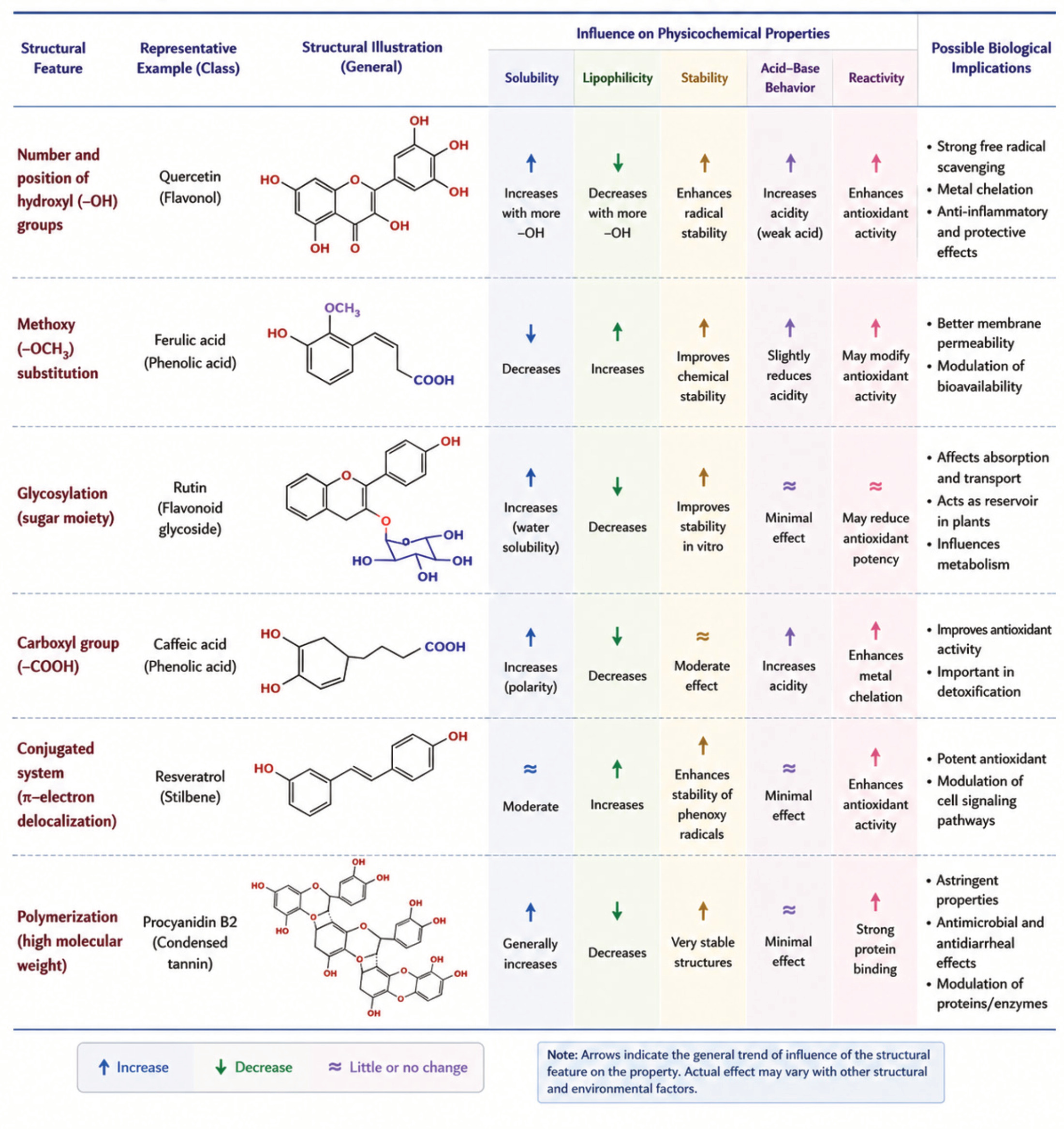
Figure 1: Relationship between phenolic structure and major physicochemical properties.
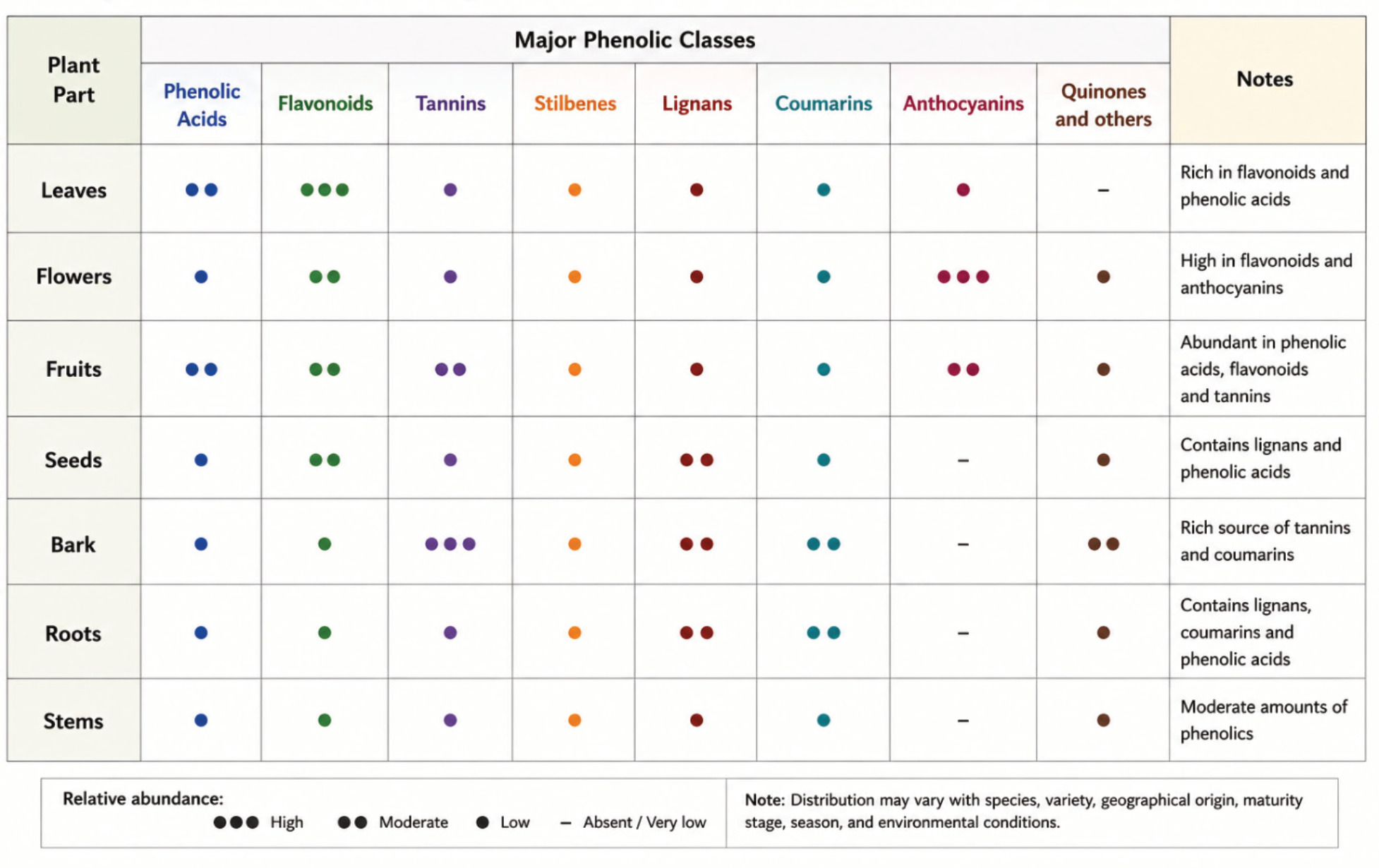
Figure 2: Distribution of major phenolic classes across different medicinal plant parts.
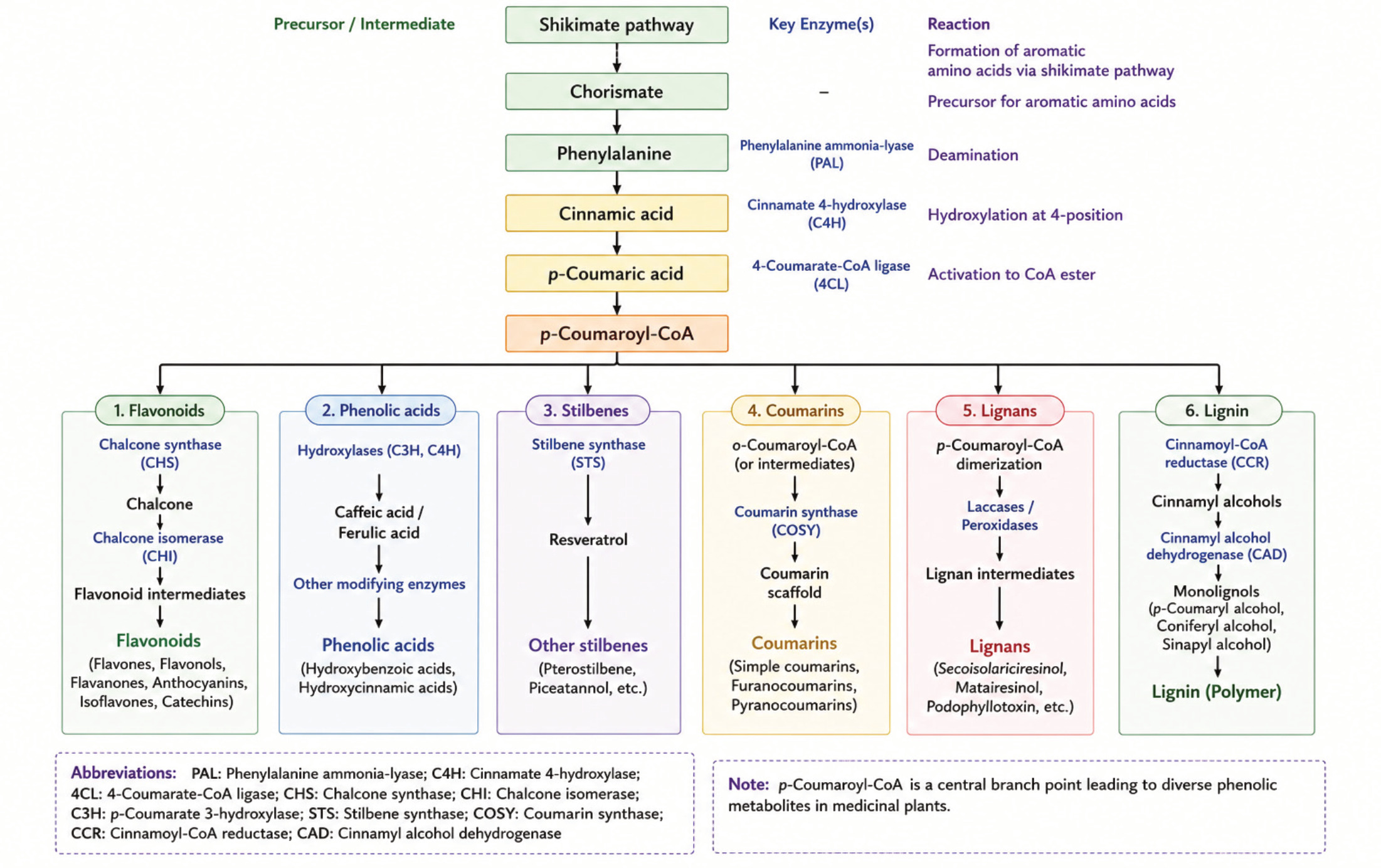
Figure 3: Biosynthetic pathway of major phenolic compounds in medicinal plants.
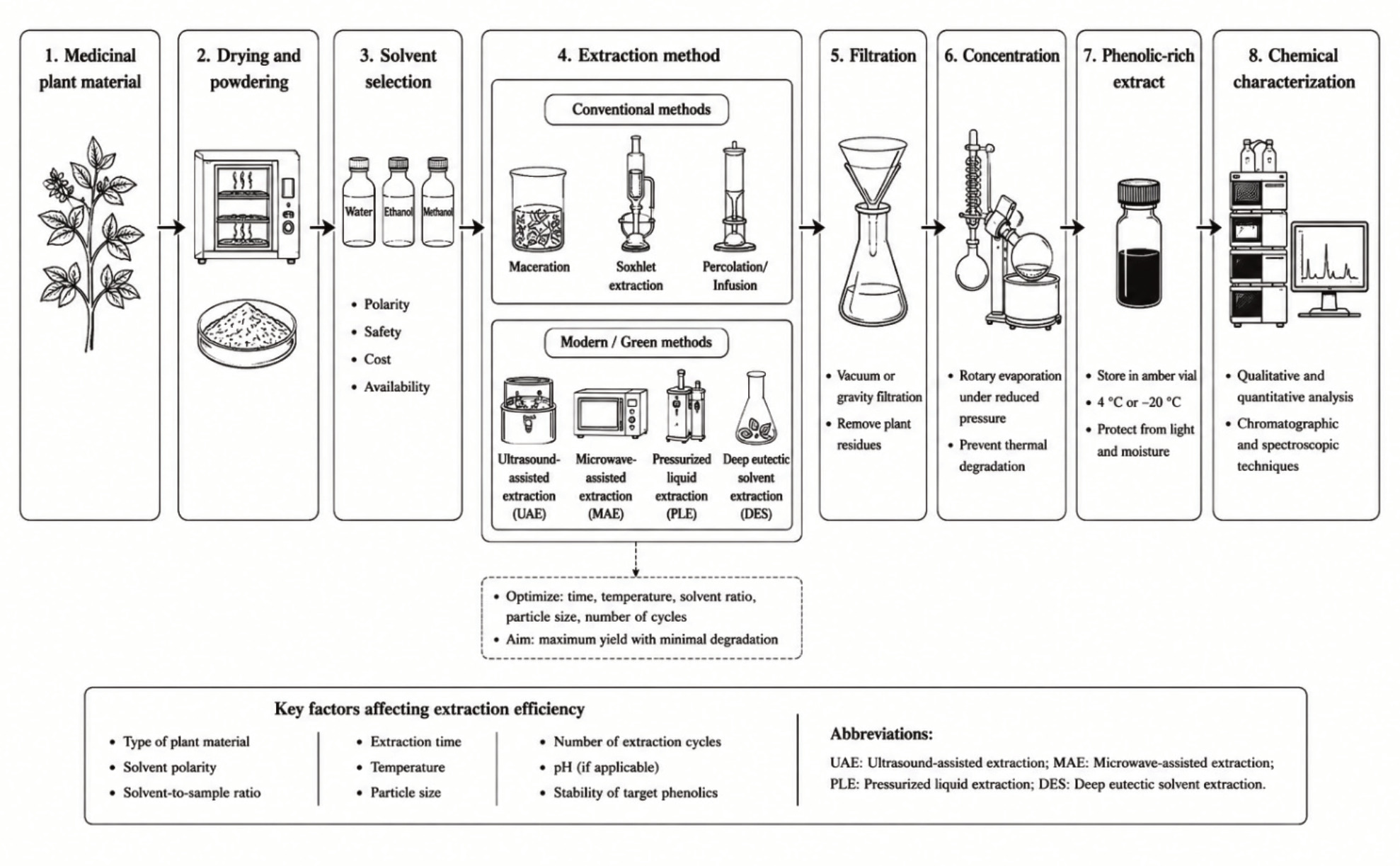
Figure 4: Selection of extraction methods for phenolic compounds from medicinal plants.
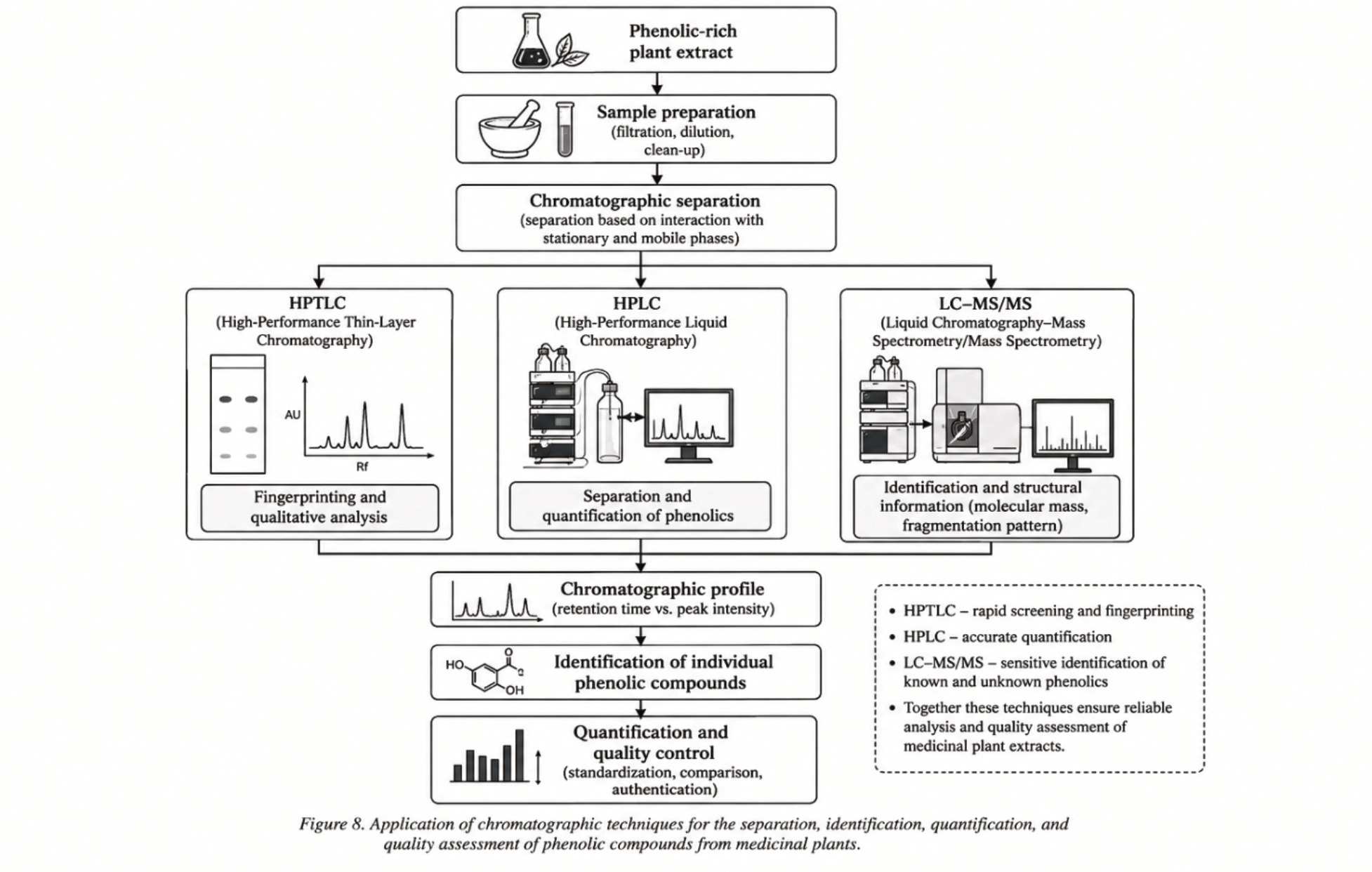
Figure 5: Application of chromatographic techniques for the separation, identification, quantification, and quality assessment of phenolic compounds from medicinal plants.
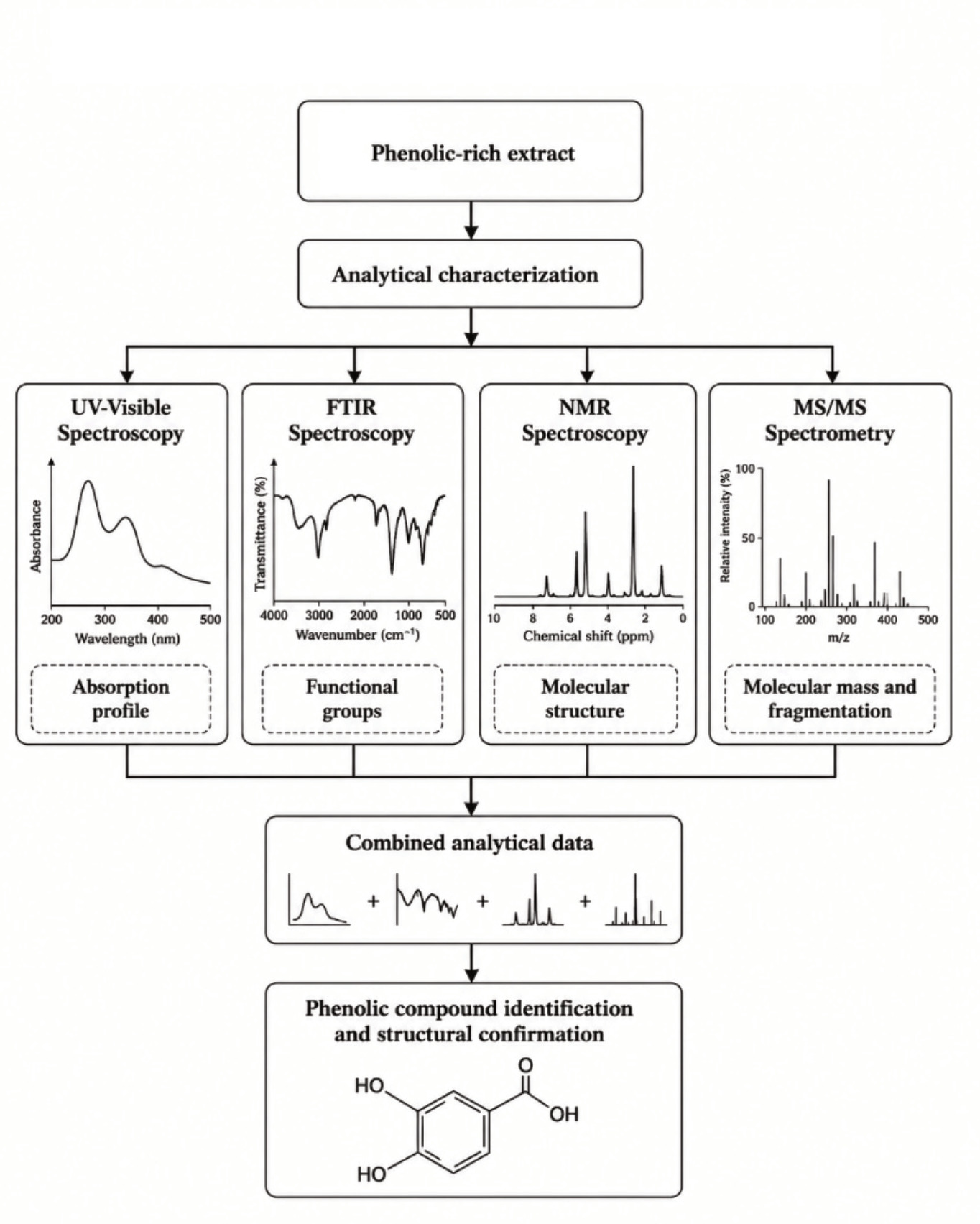
Figure 6: Spectroscopic and spectrometric approaches for the characterization of phenolic compounds from medicinal plants.
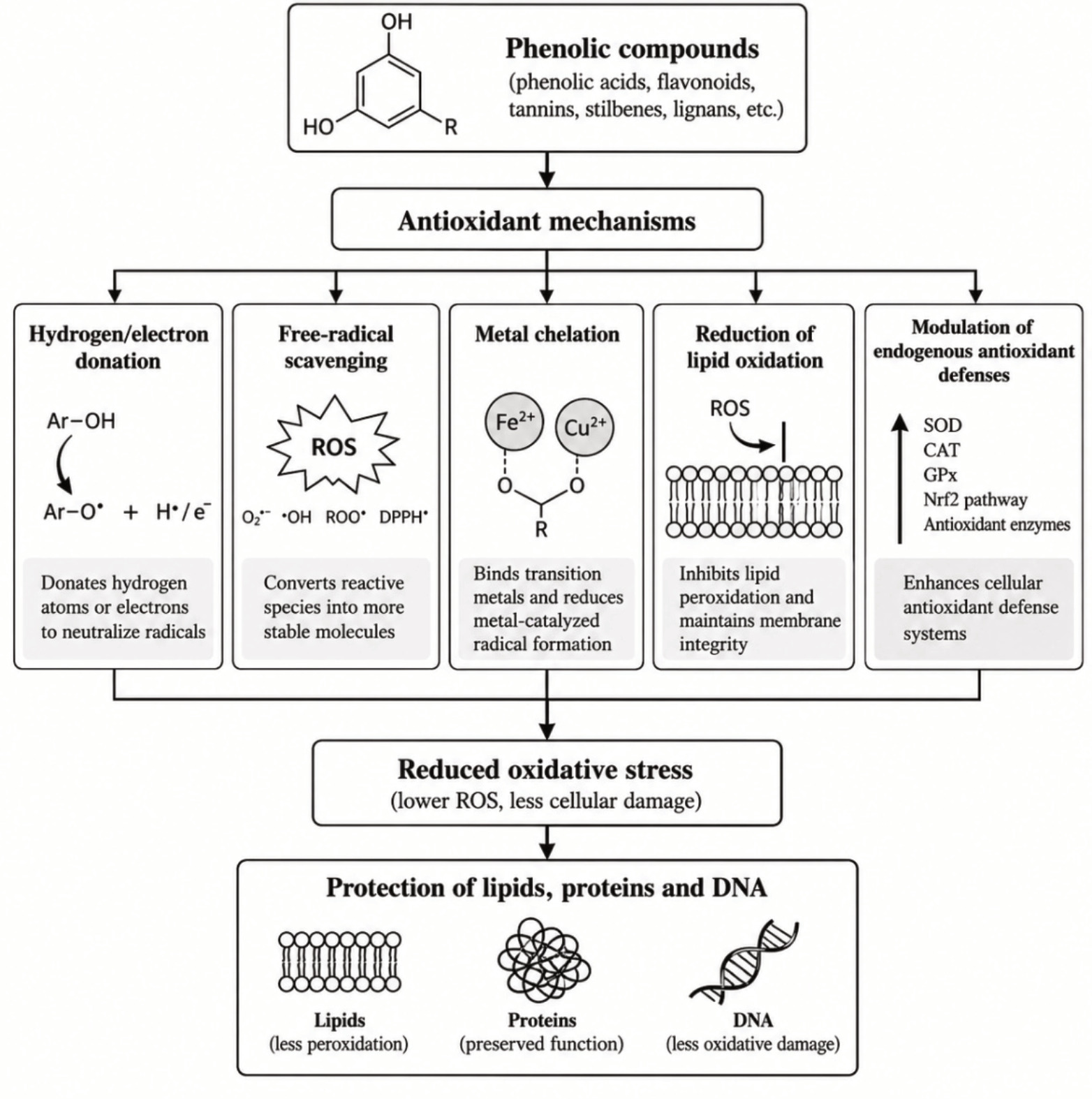
Figure 7: Antioxidant mechanisms of phenolic compounds.
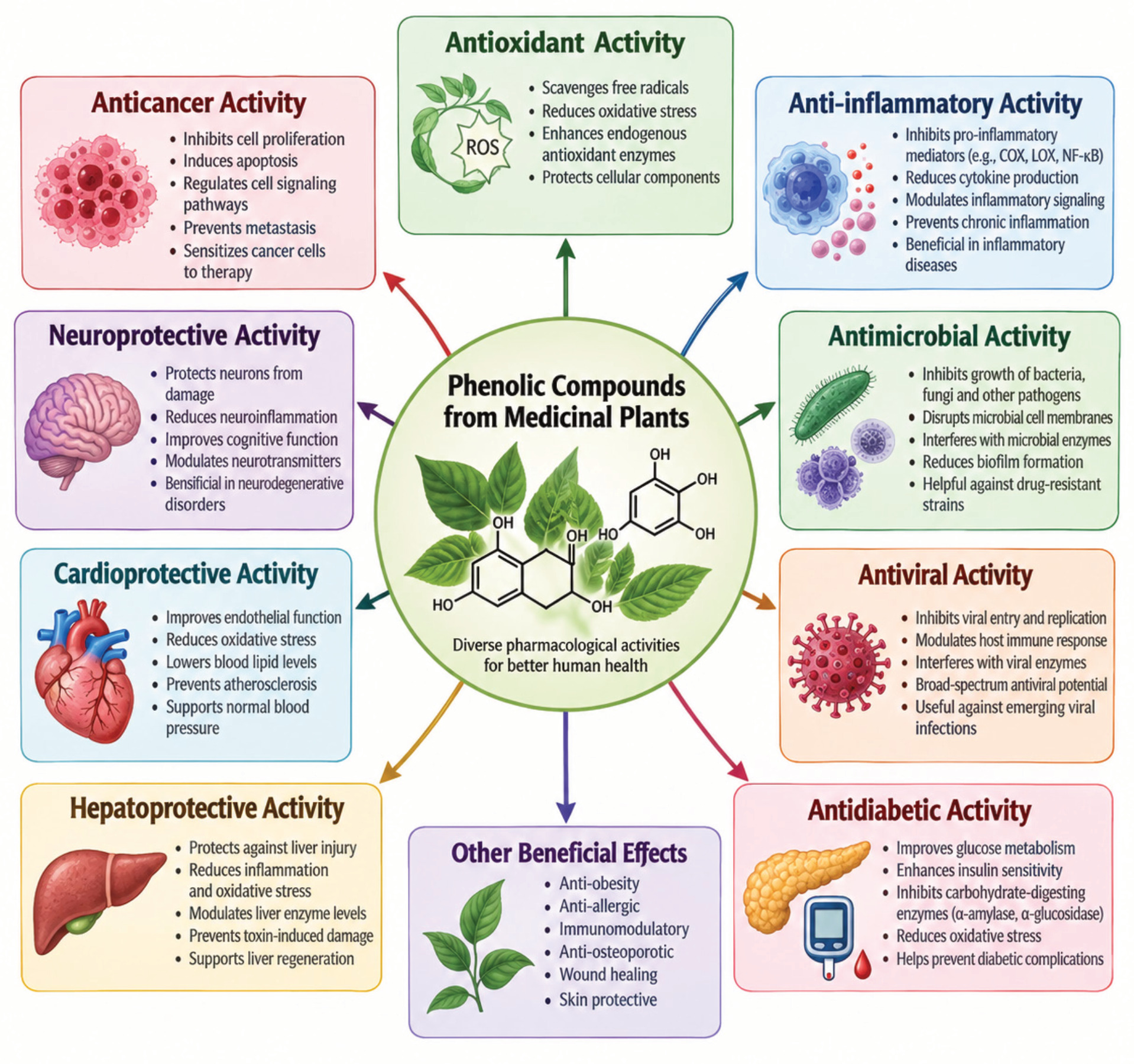
Figure 8: Overview of the Major Pharmacological Activities of Phenolic Compounds in Medicinal Plants.
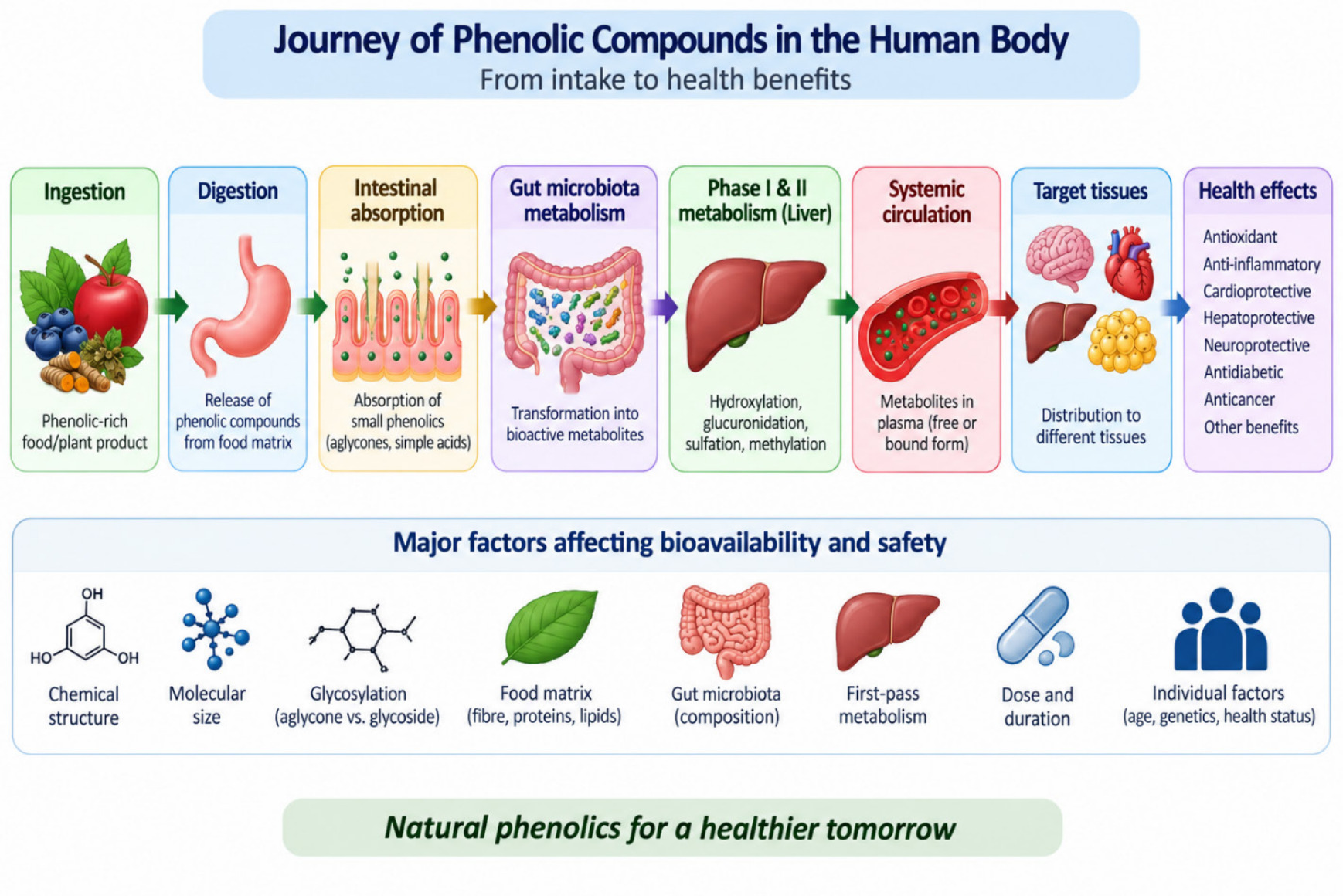
Figure 9: Journey of Phenolic Compounds in the Human Body: Absorption, Metabolism, Bioavailability and Health Effects.
CURRENT CHALLENGES AND FUTURE PERSPECTIVES
Table 20: Major Challenges and Future Directions for Phenolic Compounds.
|
Current challenge |
Future direction |
|---|---|
|
Variable phenolic composition |
Standardized plant materials and extracts |
|
Low bioavailability |
Advanced delivery and formulation systems |
|
Limited clinical evidence |
Well-designed clinical trials |
|
Difficult standardization |
Validated analytical markers |
|
Variation in extraction methods |
Optimized and sustainable extraction |
|
Limited pharmacokinetic data |
Detailed ADME studies |
|
Complex metabolism |
Metabolomics and gut microbiota studies |
|
Safety uncertainties |
Long-term toxicological evaluation |