

Population-level blood pressure control has hit a frustrating plateau over the past decade, and surprisingly, the bottleneck is seldom pharmacological potency-it is adherence. For the elderly, pediatric patients, and those with neurological or age-related swallowing difficulties, the mundane act of taking a daily tablet presents a genuine functional barrier that directly undermines treatment continuity. Orodispersible Tablets (ODTs), which dissolve on the tongue within seconds without water, present a conceptually simple yet remarkably effective answer to this problem. This review seeks to move beyond the usual textbook summary of ODT formulations and instead critically appraises their real-world utility in hypertensive care. From a formulation standpoint, the engineering challenges are more intricate than they first appear. Achieving a disintegration time under 30 sec is relatively straightforward; doing so while adequately masking the intensely bitter taste of drugs like amlodipine or telmisartan, and maintaining sufficient mechanical strength to survive packaging and handling, is where most prototypes fail. The literature points to layered approaches-combining superdisintegrants such as crospovidone with ion-exchange resin complexes-as the most promising route, though the added complexity often translates into manufacturing costs that discourage commercial uptake. More recent work on co-processing these excipients with solid dispersion technologies further addresses the poor aqueous solubility that plagues many newer ARBs, offering a dual advantage that conventional tablets cannot match. Clinically, the evidence tilts favorably. Perindopril ODTs, for instance, have shown reliable efficacy in blunting the early-morning systolic surge, a well-established trigger for cerebrovascular events. However, the translational chasm between laboratory innovation and pharmacy shelves remains concerningly wide; issues related to hygroscopicity, batch-tobatch reproducibility, and a lack of standardized pharmacopoeial guidelines for ODTs continue to hinder widespread adoption. This review ultimately contends that ODTs are not a mere gimmick for patient convenience, but a strategic tool that could redefine therapeutic success in hypertension-provided the field pivots toward practical scalability and cost-conscious design. Pairing ODT platforms with fixed-dose combinations or emerging 3D-printed personalization could finally close the adherence gap, but only if formulation scientists, clinicians, and health economists begin collaborating at the earliest stages of development rather than in retrospect.
Share on Mobile
Scan to access on mobile
Keywords
Formulation technology
Hypertension management
Orodispersible tablets
Patient adherence
Taste masking
INTRODUCTION
Hypertension remains one of the most formidable public health challenges of the twenty-first century. The World Health Organization's second Global Hypertension Report, released in September 2025, documented that 1.4 billion people were living with hypertension in 2024, yet barely one in five had their condition under control through either medication or lifestyle interventions. This translates to over a billion individuals walking around with uncontrolled blood pressure, each carrying an elevated risk of heart attack, stroke, chronic kidney disease, and dementia (Abdul and Poddar, 2004). The human toll is staggering-uncontrolled hypertension claims more than 10 million lives every year-and the economic burden is equally daunting. Between 2011 and 2025, cardiovascular diseases, including hypertension, were projected to cost low-and middle-income countries approximately US$ 3.7 trillion, equivalent to roughly 2% of their combined GDP.
The problem is not merely one of pharmacological inadequacy. The antihypertensive armamentarium is extensive and well-validated: beta-blockers, angiotensin-converting enzyme inhibitors, angiotensin II receptor blockers, calcium channel blockers, thiazide diuretics, and their various combinations have all demonstrated unequivocal efficacy in reducing blood pressure and preventing cardiovascular events. Yet the gap between what these drugs can achieve in controlled trial settings and what they accomplish in real-world practice remains distressingly wide. Analysis of data from 195 countries and territories reveals that 99 of them have national hypertension control rates below 20%. The majority of affected individuals reside in low-and middle-income countries, where health systems grapple with resource constraints, weak health promotion policies, limited access to validated blood pressure devices, lack of standardized treatment protocols, unreliable supply chains, and inadequate financial protection for patients (Allen and Wang, 1996).
But even where medicines are available and affordable, a more insidious barrier persists: poor patient adherence. The literature on antihypertensive medication adherence paints a consistently sobering picture. A cross-sectional study in a tertiary care hospital found that only one-quarter of patients demonstrated good medication adherence. Another investigation reported that 87.1% of patients with uncontrolled hypertension were non-adherent to their antihypertensive medication. In low-and middle-income countries, drug nonadherence has been reported to be as high as 69%. The factors contributing to this widespread nonadherence are multifaceted: low levels of awareness about hypertension and its complications, poor communication between patients and healthcare providers, cognitive impairment, forgetfulness, and-perhaps most fundamentally-the sheer complexity of lifelong therapy. Among older adults, medication adherence rates have been reported to range from as low as 20% to 50%. Forgetfulness, in particular, has been identified as one of the leading causes of poor adherence (Al-Mogbel, 2022).
This adherence crisis is not a trivial matter. Patients who adhere poorly to their antihypertensive regimens are significantly less likely to achieve target blood pressure control. The clinical consequences are direct and measurable: uncontrolled hypertension drives the epidemic of stroke, myocardial infarction, heart failure, and end-stage renal disease that overwhelms healthcare systems worldwide. The problem is especially acute in specific populations. Pediatric patients may struggle with conventional tablets due to underdeveloped muscular and nervous control. Geriatric patients frequently face swallowing difficulties, cognitive decline, and polypharmacy that make complex medication regimens unmanageable. Patients traveling or those in settings with limited access to water find conventional oral dosage forms impractical. It has been estimated that approximately 50% of the population experiences difficulty swallowing tablets and hard gelatin capsules, leading to high rates of noncompliance and suboptimal therapeutic outcomes (Figures 1 and 2).
It is against this backdrop of pervasive nonadherence and its devastating consequences that Orodispersible Tablets (ODTs) have emerged as a compelling technological solution. Also known as orally disintegrating tablets, fast-dissolving tablets, or fast-melt tablets, ODTs are defined by the European Pharmacopoeia as uncoated tablets intended to be placed in the mouth where they disperse rapidly before swallowing, disintegrating within 3 min. In practice, many modern ODT formulations disintegrate within seconds upon contact with saliva, without the need for water. This seemingly simple innovation carries profound implications for hypertension management (Bhandari et al., 2008). The advantages of ODTs extend well beyond mere convenience. By eliminating the need for water during administration, ODTs address a practical barrier that disproportionately affects elderly patients, pediatric populations, and individuals in resource-limited settings. The rapid disintegration in the oral cavity facilitates faster drug release and absorption, potentially enabling a more rapid onset of therapeutic action-a particularly valuable attribute in the management of hypertensive crises or for drugs where prompt blood pressure reduction is clinically desirable. Furthermore, because a portion of the drug may be absorbed through the pregastric mucosa, ODTs offer the potential to partially bypass hepatic first-pass metabolism, thereby enhancing bioavailability for drugs that would otherwise undergo extensive presystemic clearance. The reduced risk of choking and the improved palatability achieved through taste-masking and flavoring further enhance patient acceptability (Bi, 1999).
Perhaps most importantly, ODTs address the adherence challenge at its most fundamental level: they make taking medication easier. The simple act of placing a tablet on the tongue and allowing it to dissolve-without water, without swallowing a large solid dose-removes a set of barriers that, for many patients, have become insurmountable obstacles to consistent treatment. The evidence supporting this proposition is accumulating. Perindopril, a long-acting ACE inhibitor with a 24-hr lasting effect, has been formulated as an orodispersible tablet. Clinical experience with this formulation has demonstrated that the orodispersible dosage form enables optimization of treatment, increases patient treatment adherence, and improves long-term blood pressure control, with consequent reductions in morbidity and mortality (Brown and Bussell, 2011). A clinical program evaluating perindopril arginine in orally disintegrating tablet form found that patient adherence improved significantly, with the total adherence score increasing from an average of 2.76 to 3.57 points. Despite these promising developments, the formulation of effective antihypertensive ODTs is far from straightforward. A major challenge lies in the poor aqueous solubility of many active pharmaceutical ingredients, particularly those classified as BCS Class II and IV drugs, which limits dissolution and therapeutic efficacy. Many antihypertensive agents are inherently bitter, and the rapid disintegration of ODTs in the oral cavity can lead to a concentrated drug presence in saliva, potentially exacerbating taste issues such as bitterness or astringency. Taste masking, therefore, becomes not merely a matter of patient preference but a critical determinant of adherence. Strategies such as ion-exchange resins, microencapsulation, multilayer coatings, and complexation with cyclodextrins have been explored to address this challenge. The mechanical fragility of ODTs, their hygroscopicity, and the need for drug-excipient compatibility further complicate the development process. Manufacturing scalability and cost-effectiveness add another layer of complexity (Burnier and Egan, 2019). The selection of appropriate superdisintegrants is central to ODT formulation. Superdisintegrants such as crospovidone, sodium starch glycolate, and croscarmellose sodium facilitate rapid tablet breakup upon contact with moisture. Preparation methods including direct compression, wet granulation, effervescent techniques, and sublimation methods each offer distinct advantages and limitations. Research has shown, for instance, that the sublimation method may be superior among these techniques for orodispersible tablet formulations. The use of natural superdisintegrants as alternatives to synthetic agents has also garnered increasing attention. Recent advances in spray drying, solid dispersion technology, and nanoparticle incorporation are further expanding the formulation possibilities for poorly soluble antihypertensive drugs (Chobanian et al., 2003).
The clinical translation of these formulation advances remains an area of active investigation. Studies have explored ODT formulations of a wide range of antihypertensive agents, including amlodipine besylate, verapamil hydrochloride, atenolol, losartan potassium, telmisartan, and nebivolol hydrochloride. Each of these drugs presents unique formulation challenges and opportunities. The comparative pharmacokinetic evaluation of ODTs versus conventional tablets has been a particular focus, with findings generally supporting the bioequivalence of well-designed ODTs while highlighting their superior patient acceptability. The development of fixed-dose combination ODTs, such as those combining atenolol with atorvastatin, represents a particularly promising direction for simplifying complex antihypertensive regimens (Deshpande 2011). However, the literature on antihypertensive ODTs, while growing, remains fragmented. Most published work focuses narrowly on formulation optimization for individual drugs, with relatively little attention paid to the broader clinical, regulatory, and commercial considerations that ultimately determine whether these technologies reach the patients who need them. Studies comparing the real-world adherence outcomes of ODTs versus conventional formulations are still limited. The regulatory framework for ODTs, particularly regarding the definition and measurement of disintegration time, varies across jurisdictions and requires harmonization. The economic evaluation of ODTs, including their cost-effectiveness relative to conventional tablets, has received insufficient attention. The potential of ODTs to reduce medication wastage through improved adherence and to lower healthcare utilization through better blood pressure control deserves more rigorous investigation (European Pharmacopoeia Commission, 2023).
These gaps in the literature provide the rationale for the present review. Our objective is to provide a comprehensive, critical synthesis of the current state of knowledge regarding the formulation, clinical application, and therapeutic potential of orodispersible tablets for hypertension management. We examine the formulation strategies that have been employed to address the unique challenges of antihypertensive ODTs, including taste masking, solubility enhancement, and mechanical integrity. We review the clinical evidence supporting the use of ODTs in various hypertensive populations, with particular attention to their impact on adherence and blood pressure control. We analyze the regulatory landscape and identify the barriers to widespread adoption of this technology. We consider the cost implications and commercial viability of ODTs in different healthcare settings. Finally, we identify priority areas for future research and development (Fatima et al., 2024).
This review is structured as follows. The first section provides an overview of the formulation principles and technologies underlying antihypertensive ODTs. The second section examines the clinical evidence for specific antihypertensive ODTs, organized by drug class. The third section addresses the impact of ODTs on patient adherence and clinical outcomes. The fourth section discusses regulatory considerations and commercialization challenges. The fifth section explores emerging trends and future directions, including the integration of ODTs with digital health technologies and personalized medicine approaches. The final section offers conclusions and recommendations for researchers, clinicians, and policymakers (Ghourichay et al., 2021). In undertaking this review, we acknowledge several limitations. The literature on antihypertensive ODTs is characterized by considerable heterogeneity in study design, outcome measures, and quality. Many of the clinical studies are small, uncontrolled, or of short duration. The publication bias toward positive results is a concern. The generalizability of findings from developed countries to low-resource settings is uncertain. Nevertheless, we believe that the available evidence, when critically evaluated, provides a sound basis for assessing the current and potential role of ODTs in hypertension management (Gohel et al., 2007). The central thesis of this review is that orodispersible tablets represent more than a technological novelty in antihypertensive therapy. They address a fundamental barrier to effective hypertension control-patient adherence-in a manner that is practical, scalable, and consistent with the principles of patient-centered care. The challenge facing the field is not whether ODTs can be formulated for antihypertensive drugs, but how to translate this formulation capability into widespread clinical availability and, ultimately, improved cardiovascular outcomes (Habib et al., 2000). Meeting this challenge will require sustained collaboration among formulation scientists, clinical investigators, regulatory authorities, and healthcare systems. As the global burden of hypertension continues to grow, the imperative to develop and deploy effective adherence-enhancing strategies becomes ever more urgent. Orodispersible tablets, we argue, should be a central component of this strategy. This review aims to contribute to this effort by providing a rigorous, evidence-based assessment of the technology's promise and limitations, and by identifying the priorities for research and action that will determine its future impact on hypertension control worldwide.
angiotensin-converting enzyme
METHODOLOGY
This review was conducted using a comprehensive narrative approach to evaluate the current evidence regarding the role of Orodispersible Tablets (ODTs) in hypertension management. Relevant literature published primarily between 2020 and 2025 was identified through electronic databases, including PubMed, Scopus, Google Scholar, ScienceDirect, SpringerLink, and Web of Science. Search terms included combinations of orodispersible tablets, orally disintegrating tablets, fast-dissolving tablets, hypertension, antihypertensive drugs, patient adherence, taste masking, superdisintegrants, bioavailability, 3D printing, and fixed-dose combinations. Original research articles, systematic reviews, clinical studies, formulation reports, and regulatory publications written in English were considered for inclusion. Studies focusing on formulation strategies, evaluation parameters, clinical efficacy, patient adherence, pharmacokinetic performance, and emerging manufacturing technologies were critically analyzed. Duplicated publications, studies lacking sufficient methodological details, and articles unrelated to antihypertensive ODTs were excluded. The selected literature was systematically categorized into formulation approaches, factors influencing ODT performance, evaluation methods, clinical applications, limitations, and future perspectives. The collected evidence was synthesized qualitatively to identify recent advances, existing challenges, research gaps, and opportunities for improving antihypertensive therapy through patient-centered orodispersible dosage forms. This methodology enabled a comprehensive assessment of the current status and future potential of ODT technology in hypertension management.
Factors Affecting the Development and Clinical Utility of Antihypertensive Orodispersible Tablets
The successful formulation and clinical application of orodispersible tablets for hypertension management depends upon a complex interplay of factors spanning drug properties, formulation design, patient characteristics, manufacturing variables, and regulatory considerations. Each of these dimensions presents unique challenges that must be carefully addressed to realize the full therapeutic potential of this dosage form (Han et al., 2018).
The physicochemical properties of the active pharmaceutical ingredient constitute the primary determinant of ODT feasibility and performance. Poor aqueous solubility represents one of the most formidable barriers, as many antihypertensive agents belong to Biopharmaceutics Classification System Class II or IV drugs. Valsartan, for instance, exhibits poor water solubility resulting in low oral bioavailability, necessitating the use of solid dispersion technology with hydrophilic carriers such as PVP and HPMC to enhance dissolution. Similarly, cilnidipine displays bioavailability of only approximately 13% due to poor aqueous solubility and extensive pre-systemic gut wall metabolism. Carvedilol's absolute bioavailability does not exceed 30% owing to its lower aqueous solubility and extensive first-pass metabolism. These solubility limitations demand innovative formulation approaches, including solid dispersions, complexation with cyclodextrins, liquisolid techniques, or polymeric spherical agglomerates, to render the drug sufficiently bioavailable Hirani et al., 2009).
Taste masking constitutes another critical drug-related factor, particularly for pediatric and geriatric populations where palatability directly influences adherence. Many antihypertensive agents possess inherently bitter or astringent characteristics. Propranolol hydrochloride, widely prescribed for pediatric hypertension, is characterized by a bitter taste and an astringent aftertaste. Losartan potassium, the drug of choice for managing pediatric arterial hypertension, presents a bitter taste that represents a major challenge to treatment compliance. Perindopril erbumine similarly requires taste masking for patient acceptance. Strategies to address this include complexation with hydroxypropyl-β-cyclodextrin, spray-drying techniques, ion-exchange resins, and microencapsulation. The drug's dose and mechanical properties also influence formulation feasibility. High-dose drugs require larger tablet masses, which may compromise the rapid disintegration characteristics essential to ODTs. Drugs with poor flow properties complicate direct compression methods, necessitating granulation or other preprocessing steps (Ibrahim, 2019).
The selection and concentration of superdisintegrants represent perhaps the most decisive formulation variables influencing ODT performance. These excipients facilitate rapid tablet breakup upon contact with saliva. Commonly employed superdisintegrants include croscarmellose sodium, crospovidone, sodium starch glycolate, and pregelatinized starch (Indian Pharmacopoeia Commission, 2022). Research on bisoprolol fumarate ODTs demonstrated that the concentration of croscarmellose sodium and the diluent ratio significantly affected disintegration and in vitro drug release, with higher superdisintegrant concentrations correlating with reduced disintegration time and enhanced drug release. Formulations containing sodium starch glycolate in combination with pregelatinized starch have shown superior disintegration characteristics compared to either agent used alone. Natural superdisintegrants, such as polysaccharides isolated from Cassia tora seeds, have also been investigated as alternatives to synthetic agents (James et al., 2014).
Diluent selection profoundly affects both tablet integrity and disintegration kinetics. Mannitol has been identified as a particularly beneficial excipient for achieving desired ODT properties due to its high aqueous solubility and sweet taste. Studies comparing mannitol, lactose, and sorbitol have demonstrated that diluent choice significantly influences hardness, friability, and disintegration time. The compatibility between drug and excipients must be systematically evaluated through techniques such as Fourier transform infrared spectroscopy and differential scanning calorimetry to prevent chemical interactions that could compromise stability or bioavailability. Preparation method constitutes another critical formulation factor. Direct compression, effervescent techniques, and sublimation methods each offer distinct advantages and limitations. Comparative studies have identified sublimation as the superior technique for orodispersible tablet formulations, yielding tablets with optimal disintegration characteristics and drug release profiles (Khan et al., 2025). The sublimation method, employing agents such as camphor or menthol that volatilize during processing, creates a highly porous matrix that facilitates rapid water penetration and disintegration. Factorial design studies have systematically evaluated the influence of superdisintegrant concentration, subliming agent type, and subliming agent concentration on tablet hardness, disintegration time, and in vitro drug release.
Patient demographics and clinical characteristics fundamentally influence the utility and acceptance of antihypertensive ODTs. Pediatric patients, who may struggle with conventional tablets due to underdeveloped muscular and nervous control, represent a primary target population. ODTs ensure dosage accuracy and are easy to administer as they disintegrate in the oral cavity, addressing the challenges of crushing adult tablets or dispersing them in water, practices that lead to loss of dosing accuracy, low palatability, and poor compliance (Kuchekar and Arumugam, 2001). Geriatric patients frequently face swallowing difficulties, cognitive decline, and polypharmacy that make complex medication regimens unmanageable. The water-free administration of ODTs addresses a practical barrier that disproportionately affects this population. Perindopril arginine orodispersible tablets, for instance, provide 24-hr antihypertensive efficacy, offering patients reliable blood pressure control even in the early morning hours before taking the next tablet, when the risk of myocardial infarction and other cardiovascular events is highest (Madan and Sharma, 2012).
Patient adherence, affected by many factors including the number of tablets, disease severity, duration of treatment, and patient age, directly impacts therapeutic outcomes. Non-adherence to antihypertensive treatment results in poor blood pressure control and impaired cardiovascular risk. ODTs address this by simplifying therapy and making it more pleasant for patients.
Clinical experience with perindopril ODTs has demonstrated that the orodispersible dosage form enables optimization of treatment, increases patient treatment adherence, and improves long-term blood pressure control, with consequent effects on reduction of morbidity and mortality. The mechanical fragility of ODTs presents significant manufacturing and handling challenges. (Mishra et al., 2026).
Clinical experience with perindopril ODTs has demonstrated that the orodispersible dosage form enables optimization of treatment, increases patient treatment adherence, and improves long-term blood pressure control, with consequent effects on reduction of morbidity and mortality. The mechanical fragility of ODTs presents significant manufacturing and handling challenges. Tablets must possess sufficient hardness to withstand packaging, transportation, and patient handling while maintaining rapid disintegration characteristics. This tension between mechanical integrity and rapid dissolution requires careful optimization of compression force and excipient selection (Mishra et al., 2026).
Hygroscopicity poses another critical stability concern. Microcrystalline cellulose, a common tablet excipient, is hygroscopic and can attract water through hydrogen bonding, leading to changes in formulation properties. Accelerated stability studies conducted at 40ºC and 75% relative humidity have demonstrated that physical and chemical characteristics of ODTs can remain stable under appropriate conditions. However, preliminary stability studies have highlighted the requirement of protective packaging, with all quality properties retaining appropriate results after 12 months of storage in airtight containers (Nayak and Manna, 2011). The selection of packaging materials and storage conditions thus becomes a critical determinant of product shelf life. Regulatory considerations add another layer of complexity to ODT development. Despite their advantages, ODTs pose formulation and regulatory challenges due to their unique administration characteristics and potential for pregastric absorption. The definition and measurement of disintegration time vary across pharmacopoeias. The Indian Pharmacopoeia specifies that orodispersible tablets must disintegrate within 3 min, while the European Pharmacopoeia defines them as tablets that disperse rapidly before swallowing. The harmonization of bioequivalence study design for ODTs remains an ongoing challenge. These regulatory inconsistencies across jurisdictions complicate the development of globally marketable products and increase the cost and complexity of bringing new ODT formulations to patients (Oparil et al., 2018).
The interplay between these diverse factors ultimately determines whether an antihypertensive ODT formulation will succeed in the clinic. Formulation scientists must navigate the tensions between drug solubility and dissolution requirements, taste masking and rapid disintegration, mechanical integrity and patient acceptability, manufacturing feasibility and cost constraints. Clinicians must consider patient-specific factors when prescribing ODTs, recognizing that the benefits of improved adherence may be offset by higher costs or limited availability. Regulators must develop harmonized standards that ensure product quality while encouraging innovation. Only through coordinated attention to all these factors can the promise of ODT technology be fully realized in the management of hypertension (Patel and Patel, 2010).
Recent Formulation Approaches for Antihypertensive Orodispersible Tablets
The formulation of orodispersible tablets for antihypertensive drugs has witnessed significant advances in recent years, driven by the need to address the dual challenges of poor drug solubility and patient acceptability. Contemporary formulation strategies have moved beyond conventional direct compression methods to embrace innovative technologies that simultaneously enhance dissolution, mask bitter taste, and ensure rapid disintegration. This section critically examines the recent formulation approaches that have emerged in the literature over the past several years (Pu et al., 2025).
Solid dispersion technology has emerged as one of the most promising approaches for enhancing the solubility and dissolution rate of poorly water-soluble antihypertensive drugs. Valsartan, a widely prescribed angiotensin II receptor blocker, exhibits poor water solubility resulting in low oral bioavailability. A recent study employed the solvent evaporation method to prepare solid dispersions of valsartan using PVP-K30 and HPMC E3 as hydrophilic carriers. The solid dispersions exhibited superior dissolution rates compared to pure valsartan and its physical mixtures, with the saturation solubility of valsartan with PVP and HPMC at pH 6.8 being notably higher than that of pure valsartan. All formulations demonstrated entrapment efficiencies above 80%, and the flow properties of the solid dispersions were satisfactory based on Hausner ratio evaluation. The study also identified mannitol as a particularly beneficial excipient for achieving the desired ODT properties. The findings suggest that PVP and HPMC are effective carriers for improving the solubility and dissolution rate of valsartan, with applicability to other drugs facing similar solubility challenges (Roshan and Keerthy, 2021).
Taste masking remains a critical formulation challenge, particularly for pediatric and geriatric populations where palatability directly influences adherence. Losartan potassium, the drug of choice for managing pediatric arterial hypertension, presents a bitter taste that represents a major challenge to treatment compliance. Recent research has successfully employed spray-drying technique followed by direct compression to develop palatable orally disintegrating tablets of losartan potassium intended for pediatric use. The approach involved incorporating spray-dried powders composed of losartan potassium, Eudragit polymers, and adjuvants including colloidal silicon dioxide, mannitol, and PEG4000. The selected spray-dried powders were incorporated into ODTs by direct compression and characterized for mechanical and pharmaceutical properties as well as palatability (Sangnim et al., 2026). Tablets with satisfactory disintegration time, hardness, and friability were obtained. In the palatability study, the volunteer panel confirmed that the formulation prepared by spray drying with Eudragit E PO and colloidal silicon dioxide showed a marked reduction in losartan potassium bitterness. The applied technologies successfully reduced the bitter taste, enabling oral administration in ODT form, particularly for pediatric patients. In a related study, solid dispersions of losartan potassium with Eudragit L100 or E PO and adjuvants were obtained by spray drying and incorporated into ODTs. The formulation containing Eudragit E PO and colloidal silicon dioxide achieved high drug release at pH 1.2 while only limited dissolution occurred at pH 6.8, effectively restricting drug release in the oral cavity and thereby reducing taste perception. The palatability study demonstrated significant differences between the taste-masked formulation with a score of 1.20 and the unmodified drug formulation with a score of 2.50 on a bitterness scale of 0 to 3. Spray drying technology thus managed to reduce the bitter taste even when flavorings and sweeteners were insufficient (Sayer et al., 2025).
The exploration of natural superdisintegrants as alternatives to synthetic agents has gained considerable momentum, driven by considerations of cost, safety, and biocompatibility. A recent study investigated polysaccharide isolated from Cassia tora seeds as a superdisintegrant in orodispersible tablets using valsartan as the model antihypertensive drug. Valsartan tablets were prepared using different concentrations of isolated Cassia tora seed polysaccharide and sodium starch glycolate as superdisintegrant by direct compression. The formulation containing 7.5% polysaccharide showed good wetting time and disintegration time as compared to the formulation prepared using synthetic superdisintegrant at the same concentration. The study concluded that Cassia tora seed polysaccharide has good potential as a disintegrant in ODT formulation, being inexpensive compared to synthetic superdisintegrants, nontoxic, compatible, and easy to manufacture. Similarly, the mucilage of Salvia hispanica seeds has been explored as a natural superdisintegrant for propranolol HCl fast-dissolving tablets. Using a 23 full factorial design, the study examined the combined impact of chia seed mucilage concentration, sodium starch glycolate, and microcrystalline cellulose on disintegration time. Propranolol HCl, characterized by a bitter taste and astringent aftertaste, is largely prescribed as an antihypertensive in pediatrics. Another approach employed cyclodextrin complexation by cogrinding to develop propranolol HCl ODTs endowed with reliable dosing accuracy, good palatability, ease of swallowability, and ultimately better compliance for pediatric patients. The formulation containing the drug-hydroxypropyl-β-cyclodextrin coground complex with Pearlitol Flash as diluent and 8% Explotab as superdisintegrant demonstrated the highest drug dissolution in simulated saliva and acceptable in vitro palatability as assessed by the electronic tongue, confirming the good taste-masking power of hydroxypropyl-β-cyclodextrin towards propranolol. This new dosage form could represent a valid alternative to common extemporaneous preparations, overcoming the lack of solid formulations of propranolol intended for pediatric use (Schier et al., 2003).
The development of novel superdisintegrants has also been an area of active research. Starch hyaluronate, synthesized through esterification, has been investigated as a new superdisintegrating agent for carvedilol fast-dissolving tablets. Using a 23-factorial design, carvedilol tablets were developed by direct compression utilizing a mix of starch hyaluronate, crospovidone, and sodium starch glycolate. The optimized formulation containing 5% starch hyaluronate exhibited the shortest disintegration time of 26±2 sec. The percentage of drug dissolved in 10 min from the optimized composition was 93.4±1.32%. The optimized composition achieved peak plasma concentration in a short time and demonstrated higher relative bioavailability. Differential scanning calorimetry studies confirmed no interaction between starch hyaluronate and the drug, while NMR and FTIR investigations supported the ester connection between starch and hyaluronic acid. The study concluded that starch hyaluronate has proper potential for application in rapidly disintegrating tablets, in addition to improving clinical obedience throughout the efficacious treatment of hypertension (Seager, 1998).
The formulation of polymeric spherical agglomerates represents another innovative approach for enhancing the oral bioavailability of poorly soluble antihypertensive drugs. Cilnidipine, a calcium channel blocker, exhibits low bioavailability of approximately 13% due to poor aqueous solubility and extensive pre-systemic gut wall metabolism. A recent study aimed to enhance the oral bioavailability of cilnidipine by formulating polymeric spherical agglomerates-based porous orodispersible tablets. Eight different batches of cilnidipine spherical agglomerates were prepared by the crystallo-co-agglomeration technique using different proportions of hydrophilic polymers including hydroxypropyl methyl cellulose E50, polyvinyl pyrrolidone K30, and polyethylene glycol 6000 as carriers. Fourier transform infrared spectroscopy proved the chemical integrity of cilnidipine in the spherical agglomerates, while scanning electron microscopy revealed their spherical shape. Differential scanning calorimetry and powder X-ray diffraction studies confirmed that cilnidipine was rendered more amorphous in the spherical agglomerates (Sharma et al., 2012). The spherical agglomerates displayed good flow behavior, high percentage yield, and high drug loads. The optimized batch composed of PEG 6000 displayed high percentage dissolution efficiency which was significantly greater than the pure drug. The study concluded that porous ODTs of cilnidipine spherical agglomerates can rapidly release the drug, bypass gut metabolism, enhance oral bioavailability, and improve therapeutic effectiveness for angina and hypertension (Siddiqui et al., 2010).
Co-processing of drugs with suitable excipients has emerged as a simple yet effective strategy for enhancing dissolution and enabling ODT formulation. Triamterene, an oral antihypertensive drug with dissolution-limited poor bioavailability, was subjected to dry co-grinding with xylitol, HPMC-E5, or their combination. Co-processing of triamterene with xylitol formed a eutectic system which hastened the dissolution rate, while HPMC-E5 resulted in partial amorphization and improved triamterene dissolution. Co-grinding with both materials combined their effects. Co-processing of triamterene with hydrochlorothiazide also resulted in eutexia, though the product was slowly dissolving due to aggregation; this problem was resolved in the presence of HPMC-E5 and xylitol. Compression of the optimum formulation into ODTs resulted in fast disintegration and liberated acceptable amounts of both drugs. The study introduced simple co-processing with traditional excipients for the development of ODTs of triamterene and hydrochlorothiazide (United States Pharmacopeia Convention, 2024). Similarly, bosentan, a drug used to treat pulmonary hypertension via dual endothelial receptor antagonism, has restricted oral bioavailability due to poor solubility and hepatic metabolism. Bosentan was exposed to ethanol-assisted kneading with xylitol or menthol at various molar ratios. FTIR reflected possible hydrogen bonding with xylitol and menthol, while DSC studies reflected a reduction in enthalpy and melting temperature. XRD data reflected partial co-amorphization in the case of xylitol and eutexia in the case of menthol. These modifications were related to an accelerated dissolving rate, and the developed systems were fabricated as orodispersible tablets which exhibited immediate release of bosentan. The current study offered simple co-processing for the preparation of orodispersible bosentan tablets (Verma and Garg, 2001).
Fixed-dose combinations of antihypertensive drugs improve efficacy, safety, and patient adherence over monotherapy. However, fixed-dose combinations of poorly soluble BCS Class II drugs such as telmisartan and indapamide have not been readily available. Recent research has focused on developing fixed-dose orodispersible formulations to address this gap. The development of such combinations in ODT format represents a logical extension of the technology, potentially simplifying complex antihypertensive regimens while maintaining the adherence benefits of the dosage form (Visser et al., 2020).
Despite the proliferation of advanced technologies, direct compression remains the most cost-effective and industrially scalable manufacturing method for ODTs. A comprehensive study developed losartan potassium ODTs by direct compression for the treatment of arterial hypertension in children. Five superdisintegrants including croscarmellose sodium, two grades of crospovidone, sodium starch glycolate, and pregelatinized starch were tested at two concentrations and combined with three diluents including mannitol, lactose, and sorbitol. Thirty formulations were evaluated based on disintegration time, hardness, and friability. Two formulations exhibiting the best results concerning disintegration time below 30 sec, hardness, and friability below 1.0% were selected as the most promising. These ODTs presented favourable drug-excipient compatibility, tabletability, and flow properties. In vitro dissolution studies demonstrated very rapid drug release. Preliminary stability studies highlighted the requirement of protective packaging, with all quality properties retaining appropriate results after 12 months of storage in airtight containers. The ODTs were successfully developed and characterised, suggesting a potential means to accomplish a final prototype that enables improvement in childhood arterial hypertension treatment (Whelton et al., 2018).
Beyond conventional formulation approaches, emerging technologies such as three-dimensional printing are beginning to be explored for antihypertensive orodispersible dosage forms. A floating three-dimensionally printed polypill formulation for the coadministration and sustained release of antihypertensive drugs has been developed, containing multiple antihypertensive active pharmaceutical ingredients. The combination of three-dimensional printing and amorphous solid dispersion technologies has also been investigated for manufacturing gastroretentive floating tablets. While these approaches are still in early stages of development for ODTs specifically, they point toward future directions where personalized dosing and complex multi-drug regimens could be integrated into patient-friendly orodispersible platforms (World Health Organization, 2021).
In summary, recent formulation approaches for antihypertensive ODTs have diversified considerably, encompassing solid dispersion technology, spray-drying for taste masking, natural and novel superdisintegrants, polymeric spherical agglomerates, co-processing strategies, and cost-effective direct compression methods. Each approach addresses specific challenges posed by particular antihypertensive drugs, and the choice of formulation strategy depends on the physicochemical properties of the drug, the target patient population, and the manufacturing capabilities available. The trend toward combining multiple technologies reflects the recognition that no single approach can address all the challenges of antihypertensive ODT development. As the field continues to evolve, further integration of these technologies with emerging manufacturing platforms such as three-dimensional printing promises to expand the therapeutic possibilities of this patient-centric dosage form (Yadav et al., 2012).
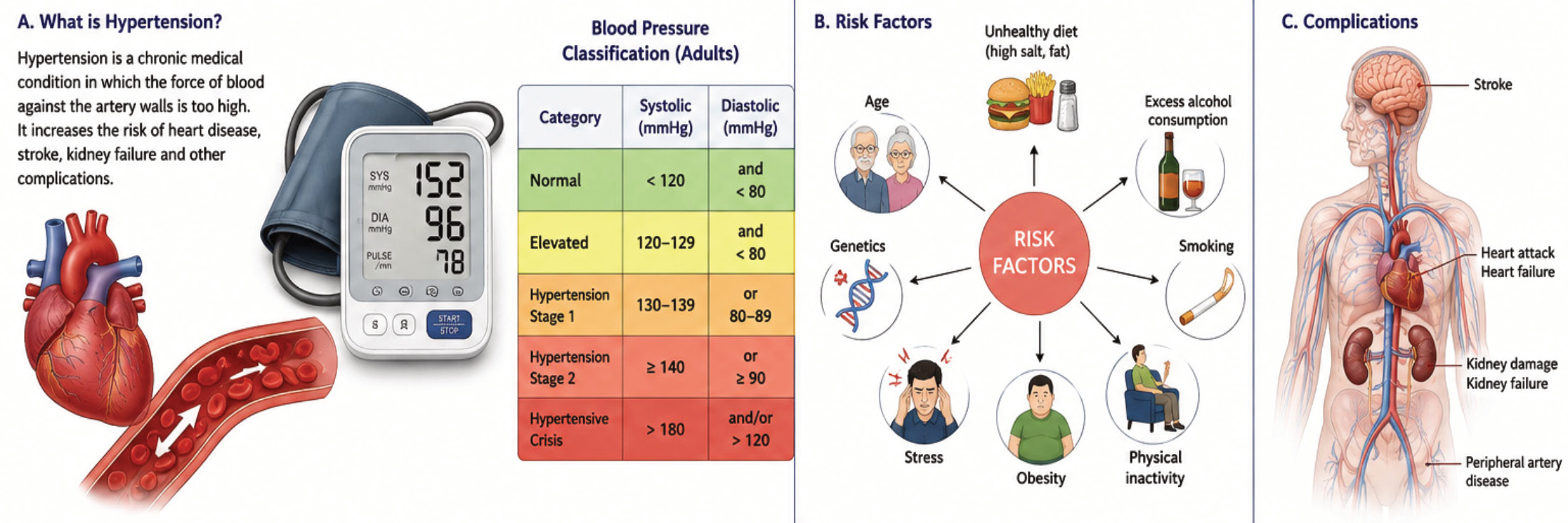
Figure 1: Hypertension (High Blood Pressure).
FUTURE DIRECTIONS
Future research on antihypertensive orodispersible tablets should focus on developing robust, patient-centric formulations that combine rapid disintegration with enhanced mechanical strength, long-term stability, and cost-effective manufacturing. Advanced formulation technologies, including nanotechnology, amorphous solid dispersions, co-processed excipients, and multifunctional natural superdisintegrants, should be further explored to improve the solubility and bioavailability of poorly water-soluble antihypertensive drugs. Personalized medicine approaches using three-dimensional printing offer significant opportunities to manufacture customized ODTs with individualized doses and fixed-dose combinations for patients with multiple comorbidities. Integration of ODT therapy with digital health platforms, smart packaging, and medication adherence monitoring systems could further improve treatment compliance and clinical outcomes. Future investigations should also prioritize large-scale randomized clinical trials evaluating long-term blood pressure control, cardiovascular outcomes, quality of life, patient satisfaction, and pharmacoeconomic benefits compared with conventional dosage forms. Harmonization of regulatory requirements for ODT evaluation, disintegration testing, and bioequivalence studies is essential to facilitate global commercialization. Additionally, environmentally sustainable manufacturing practices and moisture-resistant packaging technologies should be developed to improve product stability and accessibility. Collaborative efforts among formulation scientists, clinicians, regulatory agencies, and pharmaceutical industries will be crucial for translating laboratory innovations into widely available antihypertensive ODT products that improve adherence and cardiovascular health outcomes worldwide.
Recent Evaluation Tests for Antihypertensive Orodispersible Tablets
The evaluation of orodispersible tablets for antihypertensive drugs has evolved considerably, with newer test methods addressing the unique characteristics of these dosage forms. Quality control tests for ODTs largely overlap with those for conventional tablets but incorporate specific evaluations tailored to their rapid disintegration and patient-centric design. This section provides a comprehensive overview of recent evaluation approaches employed for antihypertensive ODTs.
Before tablet compression, the physical properties of the powder blend must be thoroughly evaluated to ensure consistent tablet production. Precompression parameters routinely assessed include angle of repose, bulk density, tapped density, compressibility index, and Hausner's ratio. These parameters determine the flow properties and compressibility of the powder mixture, which directly influence tablet weight uniformity and content consistency. Studies on amlodipine besylate ODTs have demonstrated that blends with satisfactory flow properties yield tablets with acceptable weight variation and content uniformity. For solid dispersion-based formulations, the Hausner ratio has been used to confirm good flow characteristics of the prepared dispersions.
Drug-excipient compatibility studies are essential before proceeding with tablet development. Fourier transform infrared spectroscopy is routinely employed to detect any chemical interactions between the active pharmaceutical ingredient and excipients. Differential scanning calorimetry and powder X-ray diffraction are also utilized to assess physical compatibility and detect any polymorphic changes during formulation. Studies on valsartan ODTs have confirmed the absence of drug-excipient interactions through these techniques. Similarly, FTIR analysis of amlodipine besylate formulations revealed no interaction between the drug and excipients.
The physical characteristics of antihypertensive ODTs are evaluated using standardized pharmacopoeial tests. Weight variation testing ensures dosage uniformity across tablets. Thickness and diameter measurements confirm dimensional consistency. Hardness testing, typically performed using a Monsanto or Pfizer hardness tester, determines the mechanical strength of tablets. Friability testing, conducted using a Roche friabilator, assesses the tablet's resistance to chipping and abrasion during handling and transportation. These parameters are critical for ODTs, as the porous structure required for rapid disintegration often compromises mechanical integrity. Recent studies on mefenamic acid ODTs have included hardness, weight variation, and friability as part of product quality assessment. For enalapril maleate ODTs, formulations have demonstrated satisfactory results in terms of drug content and friability.
Disintegration time is arguably the most critical quality attribute for ODTs. The European Pharmacopoeia defines orally disintegrating tablets as uncoated tablets intended to be placed in the mouth where they disperse rapidly before being swallowed, with disintegration within 3 min. In practice, most modern ODT formulations disintegrate within seconds. Studies on nebivolol hydrochloride ODTs containing 10% w/w menthol as a sublimating agent achieved a disintegration time of 11 sec. Enalapril maleate ODTs containing Plantago ovata mucilage demonstrated disintegration times of approximately 12 to 14 sec. Formulations with sodium starch glycolate at 6.66% w/w showed dispersion times decreasing from 46 to 38 sec.
Recent developments in disintegration testing have introduced alternative methods specifically designed for ODTs. These include the OD-mate testing apparatus, basket rack assembly, CCD camera-based systems, texture analyzer methods, special disintegration equipment, prototype disintegration tester, simple approach, and modified wetting test. Each method offers distinct advantages and limitations. The OD-mate and taste sensor have been found useful for predicting disintegration and bitterness intensity of amlodipine ODTs in the mouth. A comprehensive evaluation of various disintegration methods for ODTs has compared conventional approaches with alternative methods using test tubes, sieve methods, Harada's rotating shaft apparatus, modified paddle apparatus, and custom-built equipment.
Wetting time and water absorption ratio are supplementary tests that provide valuable information about the hydrophilic nature and disintegration characteristics of ODTs. Wetting time measures the time required for a liquid to penetrate the tablet matrix, while water absorption ratio quantifies the amount of water absorbed. These parameters are particularly relevant for ODTs as they reflect the tablet's ability to attract saliva and initiate the disintegration process. Studies on amlodipine besylate ODTs have routinely evaluated wetting time and water absorption ratio alongside other parameters. For enalapril maleate ODTs, synthetic formulations containing croscarmellose sodium demonstrated the shortest wetting time of 8.55 sec. Mefenamic acid ODTs have been evaluated through supplementary tests measuring moisture uptake, wetting time, and water absorption ratio.
Content uniformity testing ensures that each tablet contains the labeled amount of the active pharmaceutical ingredient. This test is particularly important for low-dose antihypertensive drugs where uniform distribution of the drug throughout the tablet matrix must be confirmed. Studies on enalapril maleate ODTs have evaluated content uniformity as part of post-compression testing. For amlodipine besylate formulations, content uniformity has been assessed alongside other quality parameters. The results are typically expressed as percentage of label claim, with acceptance criteria specified by pharmacopoeial standards.
Dissolution testing is essential for predicting the in vivo performance of antihypertensive ODTs. For drugs with poor aqueous solubility, dissolution studies are particularly critical. Recent research on valsartan ODTs using solid dispersion technology demonstrated superior dissolution rates compared to pure valsartan and physical mixtures. Nebivolol hydrochloride ODT formulations achieved more than 98% drug release within 14 min. Enalapril maleate ODTs demonstrated rapid dissolution with 99.24% drug release at 20 min for synthetic formulations and 99.98% for natural superdisintegrant formulations. Mefenamic acid ODTs with 7% croscarmellose sodium produced the best results, enabling quick dissolution while maintaining optimal disintegration time.
Various dissolution apparatus and methods have been employed for antihypertensive ODTs. A study examining amlodipine dissolution from ODTs in the human oral cavity compared five different in vitro short dissolution test methods including Tricorptester, magnetic stirrer, rotating injection syringe, paddle apparatus, and shaking methods. The results indicated that dissolution in the oral cavity was best correlated with in vitro short dissolution tests with a testing time of 30 sec. The Tricorptester method was identified as the most preferable among all in vitro tests investigated. Drug release kinetics are typically evaluated using model-dependent approaches including zero-order, first-order, Higuchi, and Hixson-Crowell models. For mefenamic acid ODTs, the zero-order model provided the most accurate explanation of drug release kinetics.
Taste masking evaluation has become increasingly sophisticated, recognizing that palatability directly influences patient adherence, particularly in pediatric and geriatric populations. Recent studies have employed multiple approaches to assess taste masking efficacy. Gustatory sensation testing with human volunteers remains a standard approach. Studies on taste-masked losartan potassium ODTs using spray-drying technology demonstrated significant differences between taste-masked formulations with a bitterness score of 1.20 compared to 2.50 for unmodified drug formulations on a scale of 0 to 3. Nicardipine hydrochloride ODTs formulated with the natural sweetener Stevia have been evaluated for taste masking capabilities. Electronic tongue systems and artificial taste sensors represent recent advances in objective taste evaluation. The OD-mate apparatus combined with taste sensors has been found useful for predicting bitterness intensity of amlodipine ODTs. Quantitative evaluation methods for palatability using electronic gustatory systems are being developed for amlodipine orally disintegrating tablets. Propranolol HCl ODTs formulated with hydroxypropyl-β-cyclodextrin demonstrated acceptable in vitro palatability as assessed by the electronic tongue. Instrumental tools coupled with multivariate analysis have been developed to predict oral disintegration and texture-related palatability of ODTs with different formulations. These approaches offer objective, reproducible alternatives to subjective human taste panels.
In vivo studies provide the most definitive evidence of ODT performance. Pharmacokinetic parameters including area under the curve, time to maximum concentration, and maximum concentration are evaluated to establish bioequivalence with conventional formulations. Nebivolol hydrochloride ODTs and orodispersible films demonstrated significantly better pharmacokinetic profiles in rabbits compared to marketed conventional tablets. Enalapril maleate ODTs rapidly and efficiently reduced rat blood pressure to normal values within 1 hr, compared with 4 hr for the commercial formulation. Felodipine liquisolid ODTs showed significant increases in dissolution and absorption rates compared to soft gelatin capsules in human volunteers. Clinical evaluation of antihypertensive efficacy and patient adherence has been conducted for marketed ODT products. The OPTIMUM program evaluating perindopril arginine orally disintegrating tablets in general clinical practice demonstrated significant improvement in patient adherence, with total adherence scores increasing from 2.76 to 3.57 points.
Stability studies assess the physical and chemical integrity of ODTs over time under various storage conditions. Accelerated stability studies conducted at 40ºC and 75% relative humidity have demonstrated that physical and chemical characteristics of ODTs can remain stable under appropriate conditions. Preliminary stability studies have highlighted the requirement of protective packaging, with all quality properties retaining appropriate results after 12 months of storage in airtight containers. Aging studies on ODTs prepared by direct compression showed that disintegration time increased from 53 sec at the time of preparation to 89 sec at the fourth year. Mefenamic acid ODTs demonstrated consistent formulation structure throughout the testing period, proving durability.
Recent advances have introduced novel evaluation techniques for ODTs. Texture analyzer methods provide quantitative assessment of tablet mechanical properties and disintegration behavior. Modified wetting tests and alternative disintegration tests have been developed specifically for orally disintegrating tablets. The combination of 3D printing with amorphous solid dispersion technologies is being explored, requiring new evaluation paradigms for these advanced manufacturing approaches. Instrumental tools coupled with multivariate analysis enable prediction of disintegration and texture-related palatability.
In summary, the evaluation of antihypertensive ODTs has evolved from conventional tablet testing to incorporate specialized methods addressing rapid disintegration, taste masking, and patient acceptability. The integration of objective analytical techniques with traditional pharmacopoeial testing provides comprehensive quality assurance for these patient-centric dosage forms. The choice of evaluation methods depends on the specific formulation approach, drug properties, and intended patient population. Ongoing developments in in vitro-in vivo correlation models and objective taste assessment tools continue to refine the evaluation framework for these innovative dosage forms (Zaid et al., 2023).
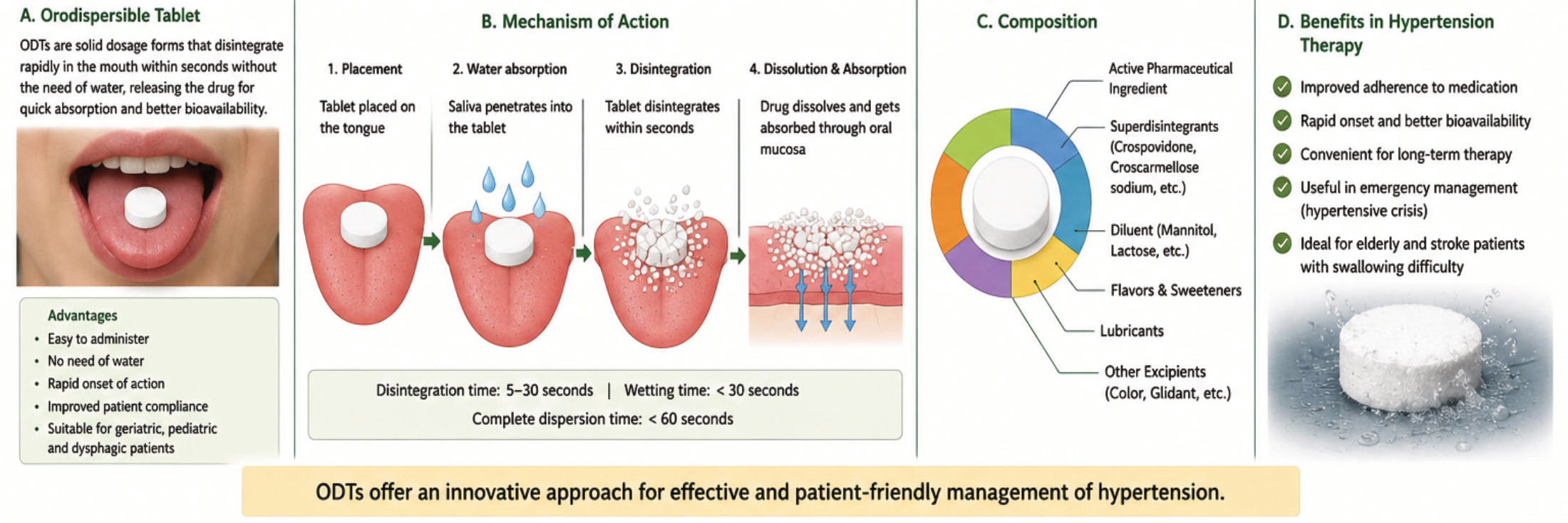
Figure 2: Orodispersible Tablets (ODTs).
LIMITATIONS
Despite the considerable promise of orodispersible tablet technology for hypertension management, several significant limitations must be acknowledged. From a formulation perspective, the primary challenge remains the inherent conflict between mechanical integrity and rapid disintegration. Tablets that disintegrate rapidly tend to be mechanically fragile, leading to problems during packaging, transportation, and patient handling. This trade-off necessitates careful optimization of compression force and excipient selection, often resulting in formulations that compromise one property for the other. The poor aqueous solubility of many antihypertensive drugs, particularly BCS Class II and IV agents, continues to pose a formidable barrier. While solid dispersion and other solubilization techniques have shown promise, these approaches add complexity, cost, and potential stability concerns to the formulation process.
Taste masking remains an unresolved challenge for many antihypertensive agents. The rapid disintegration of ODTs in the oral cavity releases the drug directly onto taste receptors, making palatability a critical determinant of patient acceptance. Current taste-masking strategies, including ion-exchange resins, microencapsulation, and complexation with cyclodextrins, are often drug-specific and may not be universally applicable. Moreover, some taste-masking approaches can interfere with drug release and bioavailability, creating additional formulation hurdles. The bitter taste of drugs like propranolol, losartan, and amlodipine continues to limit their ODT development, particularly for pediatric populations where taste acceptance is paramount.
Manufacturing and scale-up challenges represent another significant limitation. The production of ODTs at commercial scale requires specialized equipment and rigorous process control to ensure batch-to-batch reproducibility. The hygroscopic nature of many ODT formulations necessitates careful environmental control during manufacturing and protective packaging during storage, increasing production costs. The sublimation method, while offering superior disintegration characteristics, requires specialized equipment and processing conditions that may not be available in all manufacturing facilities. Direct compression, while cost-effective, may not provide the same disintegration performance as more advanced methods.
Regulatory inconsistencies across jurisdictions complicate the development of globally marketable products. The definition of disintegration time varies between pharmacopoeias, with the Indian Pharmacopoeia specifying 3 min while the European Pharmacopoeia uses a more general description. The harmonization of bioequivalence study design for ODTs remains an ongoing challenge. These regulatory gaps create uncertainty for manufacturers and may discourage investment in ODT development. The economic evaluation of ODTs, including cost-effectiveness compared to conventional tablets, has received insufficient attention in the literature.
From a clinical perspective, the evidence base for antihypertensive ODTs remains limited. Most published studies focus on formulation optimization rather than clinical outcomes. Large-scale, long-term studies comparing ODTs with conventional tablets in terms of blood pressure control, cardiovascular events, and mortality are lacking. The generalizability of findings from developed countries to low-resource settings is uncertain. The potential for ODTs to reduce medication wastage through improved adherence and to lower healthcare utilization through better blood pressure control deserves more rigorous investigation.
CONCLUSION
Orodispersible tablets represent a significant technological advance in antihypertensive therapy, addressing one of the most persistent barriers to effective blood pressure control: poor patient adherence. By eliminating the need for water during administration and enabling rapid disintegration in the oral cavity, ODTs offer a practical solution to the swallowing difficulties that affect pediatric, geriatric, and dysphagic populations. The water-free administration and improved palatability achieved through taste-masking strategies enhance patient acceptability and treatment compliance. Clinical experience with perindopril arginine ODTs has demonstrated significant improvements in patient adherence, from an average score of 2.76 to 3.57 points, with consequent benefits for blood pressure control and cardiovascular risk reduction.
Recent formulation approaches have expanded the therapeutic potential of ODTs for poorly soluble antihypertensive drugs. Solid dispersion technology, spray-drying for taste masking, natural and novel superdisintegrants, polymeric spherical agglomerates, and co-processing strategies have all contributed to addressing the challenges of drug solubility, bitterness, and mechanical integrity. The development of fixed-dose combination ODTs offers the prospect of simplifying complex antihypertensive regimens and further improving adherence. Evaluation methods have evolved to include specialized tests for wetting time, water absorption, and taste masking alongside conventional pharmacopoeial parameters, providing comprehensive quality assurance for these patient-centric dosage forms.
However, significant challenges remain. Formulation scientists must continue to address the tension between mechanical integrity and rapid disintegration, develop cost-effective taste-masking strategies applicable to a wider range of drugs, and optimize manufacturing processes for scalability. Regulatory harmonization is urgently needed to facilitate global product development and marketing. Clinical investigators must prioritize large-scale, long-term studies demonstrating the impact of ODTs on patient adherence, blood pressure control, and cardiovascular outcomes in diverse populations. Healthcare systems must evaluate the cost-effectiveness of ODTs and develop strategies to ensure equitable access to this technology.
The promise of orodispersible tablet technology in hypertension management is substantial. By removing practical barriers to medication adherence, ODTs have the potential to transform hypertension control, reduce the devastating cardiovascular consequences of uncontrolled blood pressure, and improve the quality of life for millions of patients worldwide. Realizing this potential will require sustained collaboration among formulation scientists, clinicians, regulators, and healthcare systems. The future of antihypertensive ODTs lies in the integration of advanced formulation technologies with patient-centered design, enabling personalized, acceptable, and effective therapy for all hypertensive patients, regardless of age, ability, or resource setting.
References
Abdul, S., Poddar, S. S. (2004). A flexible technology for modified release of drugs: Multi layered tablets.Journal of Controlled Release,97(3), 393-405.https://. Journal of Controlled Release. https://doi.org/10.1016/j.jconrel.2004.03.015
Allen, L. V., Jr, Wang, B. (1996). Process for making a rapidly dissolving dosage form (U.S. Patent No. 5,587,180). U.S. Patent.
Al-Mogbel, M. S. (2022). Formulation and evaluation of orally disintegrating tablets: Recent advances.Saudi Pharmaceutical Journal,30(5), 601-615.https://. Saudi Pharmaceutical Journal. https://doi.org/10.1016/j.jsps.2022.03.004
Bhandari, S., Mittapalli, R. K., Gannu, R., Rao, Y. M. (2008). Orodispersible tablets: An overview.Asian Journal of Pharmaceutics,2(1), 2-11. Asian Journal of Pharmaceutics.
Bi, Y. (1999). Preparation and evaluation of rapidly disintegrating tablets.Drug Development and Industrial Pharmacy,25(5), 571-581.https://. Drug Development and Industrial Pharmacy. https://doi.org/10.1081/DDC-100102211
Brown, M. T., Bussell, J. K. (2011). Medication adherence: WHO cares?Mayo Clinic Proceedings,86(4), 304-314.https://. Mayo Clinic Proceedings. https://doi.org/10.4065/mcp.2010.0575
Burnier, M., Egan, B. M. (2019). Adherence in hypertension.Circulation Research,124(7), 1124-1140.https://. Circulation Research. https://doi.org/10.1161/CIRCRESAHA.118.313220
Chobanian, A. V., Bakris, G. L., Black, H. R., Cushman, W. C., Green, L. A., Izzo, J. L. (2003). Seventh report of the Joint National Committee on prevention, detection, evaluation, and treatment of high blood pressure.Hypertension,42(6), 1206-1252. Hypertension. https://doi.org/10.1161/01.HYP.0000107251.49515.c2
Deshpande, K. B. (2011). Orodispersible tablets: An overview of formulation and technology.International Journal of Pharma and Bio Sciences,2(1), 726-737. International Journal of Pharma and Bio Sciences.
(2023). European pharmacopoeia (11th ed.). EDQM.
Fatima, N., Ashique, S., Upadhyay, A., Kumar, S., Kumar, H. (2024). Current landscape of therapeutics for the management of hypertension-A review.Current Drug Delivery,21(5), 662-682.https://. Current Drug Delivery. https://doi.org/10.2174/1567201820666230406083255
Ghourichay, S. M., Vatanara, A., Najafabadi, A. R. (2021). Formulation and quality control of orally disintegrating tablets (ODTs): Recent advances and perspectives.BioMed Research International,2021(1), 6618934.https://. BioMed Research International, 6618934. https://doi.org/10.1155/2021/6618934
Gohel, M. C., Parikh, R. K., Brahmbhatt, B. K., Shah, A. R. (2007). Preparation and assessment of novel coprocessed superdisintegrant consisting of crospovidone and sodium starch glycolate.AAPS PharmSciTech,8(1), E63.https://. AAPS PharmSciTech. https://doi.org/10.1208/pt0801009
Habib, W., Khankari, R. K., Hontz, J. (2000). Fast-dissolve drug delivery systems.Critical Reviews in Therapeutic Drug Carrier Systems,17(1), 61-72. Critical Reviews in Therapeutic Drug Carrier Systems.
Han, R., Yang, Y., Li, X., Ouyang, D. (2018). Predicting oral disintegrating tablet formulations by neural network techniques.Pharmaceutical Development and Technology,23(10), 1-9.https://. Pharmaceutical Development and Technology(10). https://doi.org/10.1080/10837450.2018.1425885
Hirani, J. J., Rathod, D. A., Vadalia, K. R. (2009). Orally disintegrating tablets: A review.Tropical Journal of Pharmaceutical Research,8(2), 161-172.https://. Tropical Journal of Pharmaceutical Research. https://doi.org/10.4314/tjpr.v8i2.44524
Ibrahim, H. K. (2019). Oral disintegrating tablets: Formulation, preparation techniques and evaluation.Journal of Applied Pharmaceutical Science,9(8), 122-134.https://. Journal of Applied Pharmaceutical Science. https://doi.org/10.7324/JAPS.2019.90817
(2022). Indian pharmacopoeia (9th ed.). IPC.
James, P. A., Oparil, S., Carter, B. L., Cushman, W. C., Dennison-Himmelfarb, C. (2014). 2014 evidence-based guideline for the management of high blood pressure in adults.JAMA,311(5), 507-520.https://. JAMA. https://doi.org/10.1001/jama.2013.284427https://doi.org/10.1001/jama.2013.284427
Khan, M. N., Dhakad, P. K., Sharma, S., Sonawane, G., Gilhotra, R. M. (2025). Formulation and evaluation of amlodipine besylate orodispersible tablet for the treatment of hypertension.Journal of Integrated Science and Technology,13(2), e1036. Journal of Integrated Science and Technology.
Kuchekar, B. S., Arumugam, V. (2001). Fast dissolving tablets.Indian Drugs,38(4), 181-186. Indian Drugs.
Madan, J., Sharma, A. K. (2012). Fast dissolving tablets of antidiabetic drugs: Formulation and evaluation.Drug Invention Today,4(1), 45-49. Drug Invention Today.
Mishra, V., Rajput, H. S., Gupta, A., Kumar, A. (2026). Formulation and evaluation of polyherbal oral disintegrating tablet for the treatment of hypertension: A comprehensive review.Iconic Research and Engineering Journal,9(11), 1197-1204. Iconic Research and Engineering Journal.
Nayak, A. K., Manna, K. (2011). Current developments in orally disintegrating tablet technology.Journal of Pharmaceutical Education and Research,2(1), 21-34. Journal of Pharmaceutical Education and Research.
Oparil, S., Acelajado, M. C., Bakris, G. L., Berlowitz, D. R., Cifkova, R. (2018). Hypertension.Nature Reviews Disease Primers,4, 18014.https://. Hypertension.Nature Reviews Disease Primers. https://doi.org/10.1038/nrdp.2018.14
Patel, D. M., Patel, M. M. (2010). Optimization of fast dissolving tablets using superdisin tegrants.International Journal of Pharmaceutical Sciences and Nanotechnology,3(2), 1086-1093. International Journal of Pharmaceutical Sciences and Nanotechnology.
Pu, F., Liu, Y., Ahmed, F. Z., Wang, X., Green, D., Zhang, H. (2025). Advancing antihypertensive drug development.British Journal of Pharmacology,182(15), 3389-3410.https://. British Journal of Pharmacology. https://doi.org/10.1111/bph.16559
Roshan, K., Keerthy, H. S. (2021). Orodispersible tablets: A compendious review.Asian Journal of Pharmaceutical Research and Development,9(3), 65-74.https://. Asian Journal of Pharmaceutical Research and Development, 9(3), 65-74. https://doi.org/10.22270/ajprd.v9i3.972
Sangnim, T., Suwanpitak, K., Sriamornsak, P., Singh, I., Puri, V., Burapapadh, K., Ganesan, P. (2026). Modular poly-pill tablet engineering for antihypertensive therapy: A stackable design inspired by the Tower of Hanoi puzzle.Journal of Drug Delivery Science and Technology,120, 108263.https://. Journal of Drug Delivery Science and Technology. https://doi.org/10.1016/j.jddst.2024.108263
Sayer, M., Webb, D. J., Dhaun, N. (2025). Novel pharmacological approaches to lowering blood pressure and managing hypertension.Nature Reviews Cardiology,22(9), 649-663.https://. Nature Reviews Cardiology. https://doi.org/10.1038/s41569-025-01110-4
Schier, J. G., Howland, M. A., Hoffman, R. S., Nelson, L. S. (2003). Fatality from administration of extended-release nifedipine.Annals of Pharmacotherapy,37(7-8), 993-995.https://. Annals of Pharmacotherapy. https://doi.org/10.1345/aph.1C331
Seager, H. (1998). Drug-delivery products and the Zydis fast-dissolving dosage form.Journal of Pharmacy and Pharmacology,50(4), 375-382.https://. Journal of Pharmacy and Pharmacology. https://doi.org/10.1111/j.2042-7158.1998.tb06876.x
Sharma, D., Chopra, R., Bedi, N. (2012). Development and evaluation of aceclofenac mouth dissolving tablets.International Journal of Drug Development and Research,4(2), 284-293. International Journal of Drug Development and Research.
Siddiqui, M. N., Garg, G., Sharma, P. K. (2010). Fast dissolving tablets: Preparation, characterization and evaluation.International Journal of Pharmaceutical Sciences Review and Research,4(2), 87-96. International Journal of Pharmaceutical Sciences Review and Research.
(2024). United States pharmacopeia 47-National formulary 42. USP.
Verma, R. K., Garg, S. (2001). Current status of drug delivery technologies and future directions.Pharmaceutical Technology,25(2), 1-14..
Visser, J. C., Woerdenbag, H. J., Hanff, L. M., Frijlink, H. W. (2020). Personalized medicine in hypertension using oral solid dosage forms.Pharmaceutics,12(8), 701.h ttps. Pharmaceutics. https://doi.org/10.3390/pharmaceutics12080701
Whelton, P. K., Carey, R. M., Aronow, W. S., Casey, D. E., Jr (2018). 2017 ACC/AHA guideline for the prevention, detection, evaluation, and management of high blood pressure in adults.Hypertension,71(6), e13-e115.https://. Hypertension. https://doi.org/10.1161/HYP.0000000000000065
(2021). Guideline for the pharmacological treatment of hypertension in adults.https://www.who.int/publications/i/item/9789240033986..
Yadav, G., Kapoor, A., Bhargava, S. (2012). Fast-dissolving tablets: A new venture in drug delivery.American Journal of PharmTech Research,2(4), 252-279. American Journal of PharmTech Research.
Zaid, A. N., Kortam, M. A., Al-Ramahi, R. J. (2023). Recent advances in orally disintegrating tablets and patient-centric drug delivery.Pharmaceutics,15(4), 1120.ht tps. Pharmaceutics. https://doi.org/10.3390/pharmaceutics15041120
Acknowledgments
We are thankful to Shri Vishnu College of Pharmacy (Autonomous), for providing library facilities and encouragement for writing the review article.
Author Contributions
Yarra Priyanka: Conceptualization, literature search, data curation, manuscript drafting, preparation of figures and tables, and initial writing of the review. Addala Bhargavi Satya: Literature review, data analysis, critical interpretation of published evidence, manuscript editing, formatting, and reference management. Nagineni Sudarshan Rao: Conceptualization, supervision, methodology, critical review and revision of the manuscript, validation of scientific content, project administration, and final approval of the manuscript for submission. All authors contributed to the interpretation of the literature, reviewed and approved the final version of the manuscript, and agreed to be accountable for all aspects of the work.
Conflict of Interest
The authors declare that there is no conflict of interest.