
Vol. 2 · Issue 3 · 2026 · pp. 257-268
    Herbal Mouthwashes for Oral Biofilm and Gingival Inflammation: Phytochemical Mechanisms, Clinical Evidence, Standardization and Future Perspectives
    Life Science Research Communications
    Review Article
    Life Science Research Communications
    Vol. 2
    Issue 3
    2026
    pp. 257-268
    Open Access

    Herbal Mouthwashes for Oral Biofilm and Gingival Inflammation: Phytochemical Mechanisms, Clinical Evidence, Standardization and Future Perspectives

    Praveen Kumar Ashok1,Jhuma Samanta1,Meena Devi1,Kanak Chauhan1,Nisha Agari1,Vartika Lohani1,Amandeep Singh1,Mohd Tasleem1
    1School of Pharmaceutical Sciences, Jigyasa University, Sherpur, Selaqui, Dehradun, Uttarakhand, INDIA.
    Correspondence:

    *Jhuma Samanta

    School of Pharmaceutical Sciences, Jigyasa University, Sherpur, Selaqui, Dehradun, Uttarakhand, INDIA.

    jhuma.samanta@jigyasauniversity.edu.in

    Copyright:

    © 2026 Author(s)

    Check for updates
    Published:29/10/2026
    Received: 14/07/2026
    Accepted: 23/10/2026
    Oral diseases such as dental plaque, gingivitis, and periodontal disorders remain important global public health concerns. Dental plaque is a structured microbial biofilm that plays a major role in gingival inflammation and periodontal tissue damage. This review evaluates the therapeutic potential of bioactive phytochemicals present in herbal mouthwashes for controlling oral biofilm and gingival inflammation. Published literature on medicinal plants, phytochemicals, oral pathogens, biofilm formation, gingival inflammation, and herbal mouthwashes was examined. Particular attention was given to the antimicrobial, antibiofilm, anti-inflammatory, antioxidant, and immunomodulatory activities of plant-derived constituents and their relevance to oral healthcare. Phytochemicals including flavonoids, tannins, alkaloids, terpenoids, polyphenols, and essential oils exhibit multiple biological activities relevant to oral disease prevention. Herbal ingredients obtained from Azadirachta indica (neem), Ocimum sanctum (tulsi), Camellia sinensis (green tea), Syzygium aromaticum (clove), Aloe barbadensis (aloe vera), Psidium guajava (guava), and Triphala have demonstrated potential to reduce microbial growth, inhibit biofilm formation, interfere with bacterial adhesion and quorum sensing, and modulate inflammatory responses. Their antioxidant activity may also help protect gingival tissues from oxidative stress. Compared with conventional mouthwashes, herbal formulations provide a promising natural approach, although differences in formulation, phytochemical concentration, standardization, clinical evidence, and long-term safety remain important considerations. Bioactive phytochemicals offer a multifaceted approach to the management of oral biofilm and gingival inflammation. Herbal mouthwashes have considerable therapeutic potential, but stronger clinical evidence, standardized formulations, quality control, and long-term safety evaluation are required to support their wider clinical application.
    Share on Mobile

    Scan to access on mobile

    Keywords

    Antimicrobial Activity
    Bioactive Phytochemicals
    Gingival Inflammation
    Herbal Mouthwashes
    Oral Biofilm
    Periodontal Diseases

    INTRODUCTION

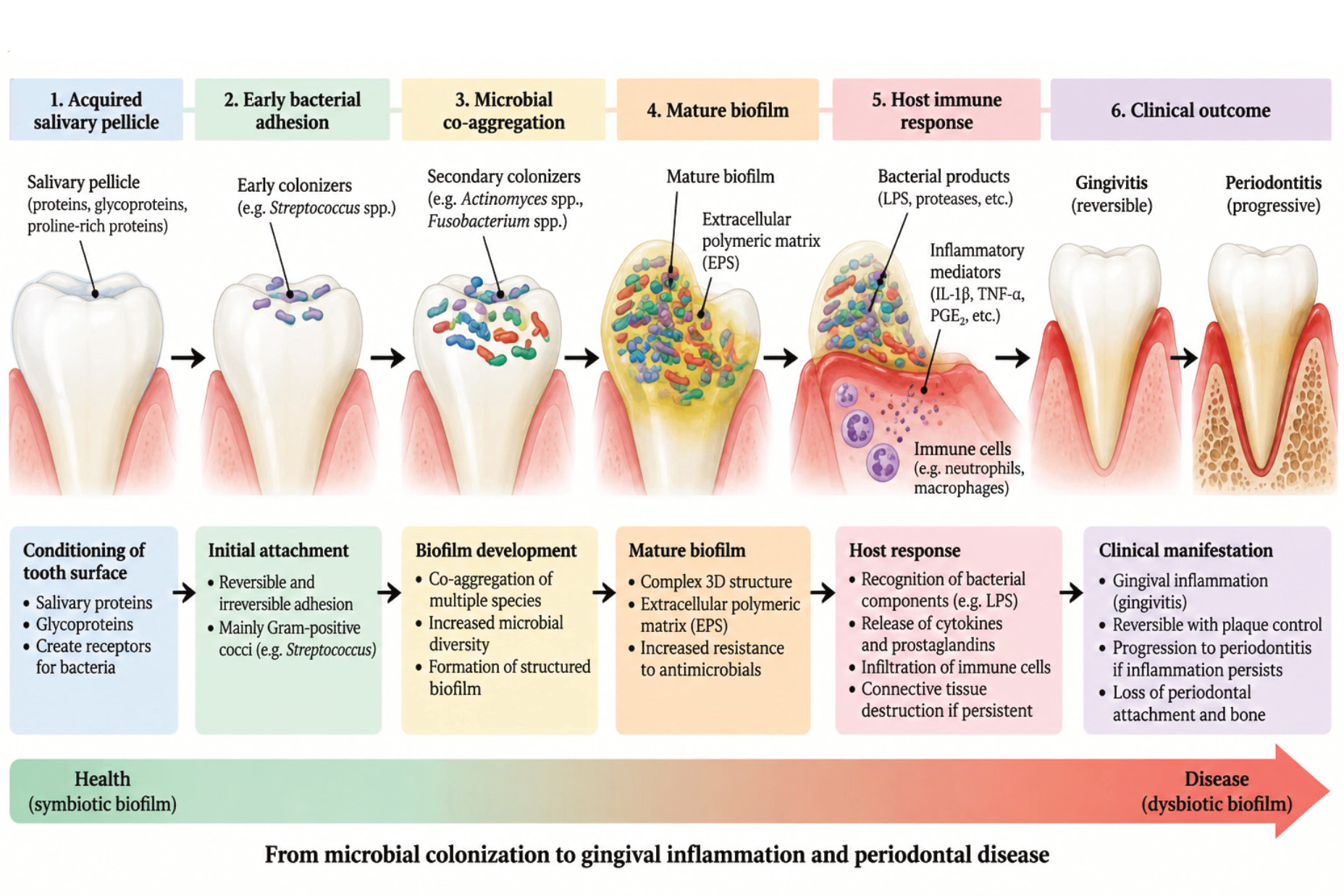
    Oral diseases, including dental caries, gingivitis, and periodontal diseases, are major public health problems. They affect people of different age groups. Dental plaque is a structured microbial biofilm that develops on tooth surfaces. Poor plaque control can lead to gingival inflammation and may contribute to periodontal disease (Marsh, 2006; Palombo, 2011; Cowan, 1999). The burden of oral diseases is high worldwide. Periodontal diseases and untreated dental caries are among the most common oral conditions . Gingivitis is an inflammatory response to dental plaque. It is generally reversible when effective plaque control is maintained. If inflammation persists, it may progress to periodontitis. This can cause loss of periodontal attachment and, in severe cases, tooth loss . Dental plaque contains many microbial species within an extracellular matrix. Its formation begins with the development of an acquired salivary pellicle on the tooth surface. Bacteria then attach to the pellicle and form a mature biofilm . The interaction between oral microorganisms and host immune responses plays an important role in gingival inflammation. Bacterial products can stimulate inflammatory mediators such as cytokines and prostaglandins. These mediators may contribute to tissue damage . Mechanical plaque control is the main approach to maintaining oral hygiene. Mouthwashes are often used as an adjunct to brushing and interdental cleaning. Conventional mouthwashes may contain chlorhexidine, cetylpyridinium chloride, or alcohol. Chlorhexidine has strong antimicrobial activity. However, prolonged use may cause tooth staining, altered taste, and mucosal irritation (Jones, 1997; Fine, 1995). Alcohol-containing products may also cause oral dryness . These limitations have increased interest in plant-based oral-care products. Herbal mouthwashes contain extracts or bioactive constituents obtained from medicinal plants. Important phytochemical groups include flavonoids, tannins, alkaloids, polyphenols, terpenoids, and essential oils. These compounds may act against oral microorganisms through different mechanisms. They may interfere with microbial growth, adhesion, biofilm formation, and quorum sensing. Some phytochemicals may also reduce inflammatory and oxidative responses . Several medicinal plants have been studied for oral healthcare. These include Azadirachta indica (neem), Ocimum sanctum (tulsi), Camellia sinensis (green tea), Syzygium aromaticum (clove), Psidium guajava (guava), Aloe barbadensis (aloe vera), and Triphala. Their reported activities include antimicrobial, antibiofilm, anti-inflammatory, and antioxidant effects. However, their activity can vary with plant species, plant part, extraction method, phytochemical content, and formulation. Despite growing interest in herbal mouthwashes, several challenges remain. Differences in raw materials and extraction methods can affect product quality and activity. Laboratory findings may also differ from clinical outcomes. Therefore, proper standardization and quality control are essential. Well-designed clinical studies are also needed to establish their effectiveness and safety.

    LITERATURE SEARCH STRATEGY

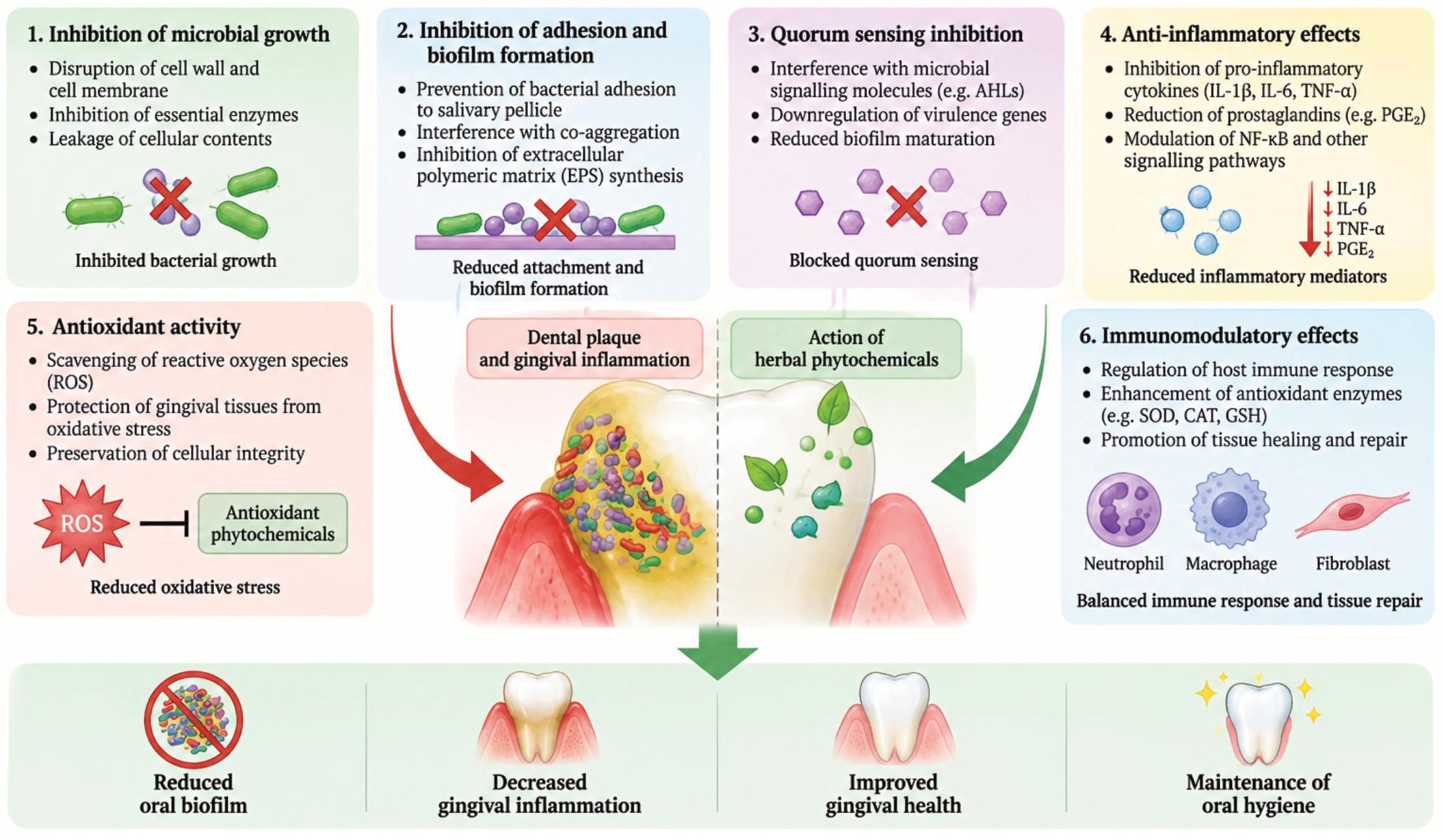
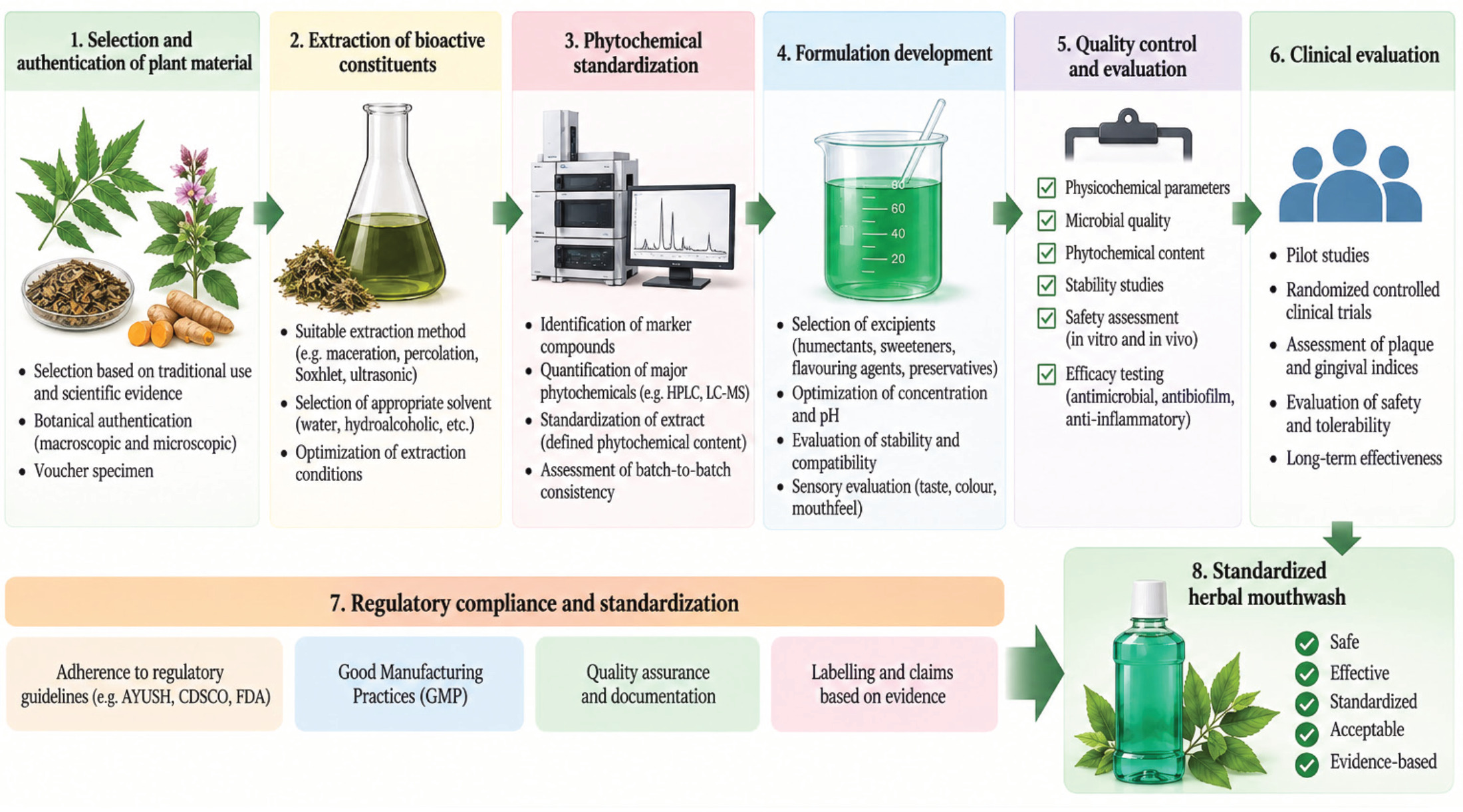
    Relevant scientific literature was examined to identify evidence on herbal mouthwashes, oral biofilm, gingival inflammation, medicinal plants, and bioactive phytochemicals. The search focused on studies related to antimicrobial, antibiofilm, anti-inflammatory, and antioxidant activities. Major scientific databases, including PubMed, Scopus, Web of Science, ScienceDirect, and Google Scholar, were considered. Search terms included herbal mouthwash, herbal mouthrinse, oral biofilm, dental plaque, gingivitis, periodontal disease, phytochemicals, medicinal plants, antibiofilm activity, antimicrobial activity, and clinical trial. Recent publications were given greater emphasis. Earlier studies were included when they provided important background information or established evidence. Clinical trials, systematic reviews, experimental studies, and relevant mechanistic studies were considered. The literature was assessed with particular attention to the major themes of this review. These included phytochemical mechanisms, clinical effectiveness, standardization, safety, and future applications. Studies comparing herbal mouthwashes with chlorhexidine and other conventional mouthwashes were also considered. Previous evidence indicates that some herbal mouthwashes may reduce plaque and gingival inflammation. A systematic review and meta-analysis of 13 randomized controlled trials reported potential benefits of herbal mouthwashes for plaque and inflammation control. However, the authors also highlighted the need for better-quality clinical trials . Differences in plant materials, formulations, treatment duration, study populations, and outcome measures can affect the reported results. Therefore, the present review considers both the potential benefits and the limitations of the available evidence. Oral Biofilm and Gingival Inflammation Microbial Composition of Dental Plaque Dental plaque contains a diverse group of microorganisms. These microorganisms exist as a mixed community within the biofilm. The composition of plaque can change with oral conditions and the stage of biofilm development. Early colonizers attach to the acquired pellicle and provide surfaces for the attachment of other microorganisms. This process increases the microbial diversity of the developing biofilm . Both Gram-positive and Gram-negative bacteria can be present in dental plaque. Early plaque communities are often dominated by Gram-positive organisms. As the biofilm matures, the microbial community becomes more diverse. Gram-negative anaerobic bacteria become more prominent in disease-associated plaque. Species such as Streptococcus, Actinomyces, Fusobacterium, and Porphyromonas have been associated with different stages of oral biofilm development and periodontal disease . The microbial composition of plaque is not identical in all individuals. Oral hygiene, saliva, diet, smoking, systemic conditions, and local environmental factors can influence the microbial community. Changes in the microbial balance may favour organisms associated with inflammation and periodontal disease . The polymicrobial nature of dental plaque is important when considering mouthwash activity. An agent that acts against only one bacterial species may have limited effects on an established biofilm. Therefore, compounds with activity against several microorganisms or different stages of biofilm development may have greater potential for oral biofilm control. Biofilm-Associated Gingival Inflammation Accumulation of dental plaque near the gingival margin can initiate an inflammatory response in gingival tissues. Microbial components and their metabolic products can stimulate host cells. This process results in the release of inflammatory mediators. The clinical features may include redness, swelling, and bleeding of the gingiva . Gingivitis is generally a reversible condition when effective plaque control is achieved. Regular mechanical plaque removal can reduce the microbial challenge and allow the gingival tissues to recover. However, persistent plaque accumulation can maintain the inflammatory response. In susceptible individuals, prolonged inflammation may contribute to the development of periodontitis . The severity of inflammation is influenced by both microbial and host factors. The composition of the biofilm can affect the intensity of the inflammatory response. At the same time, the host response can influence the local oral environment. This interaction makes gingival inflammation a complex process rather than a response to a single microorganism. Inflammatory mediators such as cytokines and prostaglandins have an important role in this process. Excessive or prolonged inflammatory activity can contribute to damage of periodontal tissues. Therefore, effective oral-care strategies should aim to control both microbial biofilm and the associated inflammatory response. Role of Host-Microbe Interactions The development of gingival inflammation results from continuous interaction between oral microorganisms and the host. A healthy oral cavity can support a diverse microbial community without causing significant tissue damage. The host immune system also helps maintain this balance. Changes in the microbial community may disturb this relationship and increase inflammatory activity . Microorganisms within dental plaque can release bacterial components and other products that are recognized by host immune cells. These signals can activate inflammatory pathways. The resulting response helps control microbial challenge but may also cause tissue damage when it becomes excessive or prolonged . Host factors can also influence the behaviour of the oral microbial community. Saliva, immune responses, oral hygiene, and local environmental conditions can affect microbial growth and biofilm development. Thus, oral health depends on a dynamic relationship between the microbial community and host tissues . This interaction is important for the development of herbal mouthwashes. Phytochemicals may influence more than microbial growth alone. Some compounds may reduce bacterial adhesion and biofilm formation. Others may modulate inflammatory or oxidative pathways. This multitarget activity provides a basis for further evaluation of herbal mouthwashes in oral healthcare ( (Figure 1)) . Phytochemical Classes Relevant to Herbal Mouthwashes Medicinal plants contain several bioactive phytochemicals. These compounds may contribute to antimicrobial, antibiofilm, anti-inflammatory, and antioxidant effects. Their activity depends on the plant source, chemical composition, extraction method, and concentration ( (Table 1)) . Flavonoids are important plant polyphenols. They may inhibit bacterial growth, adhesion, and biofilm formation. Some flavonoids can also interfere with bacterial enzymes involved in oral biofilm development . Tannins and Other Polyphenols Tannins can interact with microbial proteins and may reduce bacterial adhesion and growth. Other polyphenols, such as catechins and proanthocyanidins, have also shown activity against oral microorganisms . Alkaloids are nitrogen-containing plant compounds with diverse biological activities. Some alkaloids show antimicrobial effects against oral microorganisms. Their actions may involve interference with microbial enzymes, membranes, or cellular processes . Terpenoids and Essential Oils Terpenoids are major constituents of many essential oils. They may affect microbial membranes and reduce microbial viability. Compounds such as eugenol, thymol, and carvacrol have been investigated for their activity against oral microorganisms . Saponins and Other Bioactive Constituents Saponins and other plant metabolites may provide additional antimicrobial and anti-inflammatory effects. Their activity may complement that of polyphenols, alkaloids, and terpenoids. However, the overall effect of a plant extract may result from several constituents acting together rather than from a single compound (Milhoet al., 2021). Major Medicinal Plants Used in Herbal Mouthwashes Several medicinal plants have been investigated as ingredients of herbal mouthwashes. Their reported effects are mainly related to antimicrobial, antibiofilm, anti-inflammatory, and antioxidant properties. However, clinical evidence varies among plants and formulations . Azadirachta indica (neem) is widely used in traditional oral care. Neem contains bioactive compounds such as nimbidin and azadirachtin. Clinical studies suggest that neem mouthwash may reduce plaque and gingival inflammation. However, available trials are limited and show methodological variation . Ocimum sanctum (tulsi) contain phenolics, flavonoids, and volatile constituents. These compounds may contribute to antimicrobial and anti-inflammatory effects. Experimental evidence supports their potential against oral microorganisms, but clinical evidence for mouthwash formulations remains limited . Camellia sinensis (Camellia sinensis ( green tea) is one of the better-studied medicinal plants for oral care. Catechins, particularly epigallocatechin gallate, are associated with antimicrobial and anti-inflammatory effects. Clinical studies have reported reductions in plaque and gingival indices with green tea preparations . Syzygium aromaticum (clove) is rich in eugenol. Eugenol has antimicrobial and anti-inflammatory properties and may interfere with microbial growth. Clove-based preparations therefore have potential as oral-care agents, although more controlled clinical studies are needed . Psidium guajava leaves contain flavonoids, tannins, and other phenolic compounds. Extracts have demonstrated antimicrobial activity against oral microorganisms. Their potential use in mouthwash formulations requires further clinical validation . Aloe barbadensis contains polysaccharides, phenolic compounds, and other bioactive constituents. Aloe-based oral-care preparations have been investigated for their possible anti-inflammatory and plaque-control effects. However, clinical findings are not yet sufficient to establish consistent superiority over conventional agents . Triphala is a traditional combination of three fruits: Emblica officinalis, Terminalia chebula, and Terminalia bellirica. It contains several polyphenolic constituents. Studies have reported antimicrobial and plaque-control effects, but differences in preparation and concentration make direct comparison difficult . Other Promising Medicinal Plants Other plants, including Calendula officinalis, Melaleuca alternifolia, Curcuma longa, and Cinnamomum species, have also been investigated for oral biofilm control. Systematic reviews indicate promising results for several of these plants. However, differences in formulation, dosage, study duration, and clinical outcomes limit direct comparison ( (Table 2)) . Phytochemical Mechanisms of Action Herbal mouthwashes may act through several complementary mechanisms. Their effects include antimicrobial activity, inhibition of biofilm formation, modulation of inflammation, and reduction of oxidative stress. These effects depend on the phytochemical composition and formulation ( (Figure 2)) . Antimicrobial Activity Plant-derived compounds can inhibit the growth of oral microorganisms. Phenolics, flavonoids, terpenoids, and essential oils may affect microbial membranes, enzymes, and cellular functions . Antibiofilm and Anti-Adhesion Activity Some phytochemicals can interfere with the attachment of microorganisms to tooth surfaces. They may also affect biofilm development and reduce the stability of established biofilms. This mechanism is particularly relevant because oral biofilms contain multiple interacting microbial species . Inhibition of Quorum Sensing and Biofilm Signaling Microorganisms use chemical signals to coordinate activities within biofilms. Certain plant compounds may interfere with these signaling pathways. This could reduce microbial communication and biofilm development. However, evidence for quorum-sensing inhibition in oral applications is still mainly experimental . Anti-Inflammatory Activity Several phytochemicals can influence inflammatory pathways. They may reduce the production or activity of inflammatory mediators associated with gingival inflammation. This provides a possible mechanism for the reduction in gingival bleeding and inflammation reported with some herbal preparations (Daglia, 2012). Antioxidant Activity Oxidative stress can contribute to periodontal tissue damage. Polyphenols and other antioxidant compounds can scavenge reactive oxygen species and may support the antioxidant defence system. This activity may complement their antimicrobial and anti-inflammatory effects (Daglia, 2012). Modulation of Host-Microbial Interactions Herbal compounds may influence both microorganisms and host responses. Their potential effects include reduction of microbial adhesion, modulation of inflammatory signalling, and protection against oxidative damage. However, these mechanisms should not be considered equivalent to proven clinical efficacy. Clinical evidence remains variable among different herbal preparations . Clinical Evidence of Herbal Mouthwashes Effects on Plaque and Gingival Indices Herbal mouthwashes have shown reductions in plaque and gingival scores in several clinical studies. Green tea, neem, Triphala, and other plant-based preparations have demonstrated potential benefits. However, the magnitude of improvement differs between formulations . Effects on Periodontal Microorganisms Some clinical studies have reported reductions in bacterial counts following the use of herbal preparations. These effects may result from direct antimicrobial activity and interference with biofilm formation. However, evidence for specific periodontal pathogens remains less consistent than evidence for plaque and gingival indices . Comparative Clinical Evidence Herbal mouthwashes have been compared with placebo and conventional agents, particularly chlorhexidine. Current evidence suggests that some herbal formulations may provide plaque and gingival control comparable to conventional products. However, this does not establish that all herbal mouthwashes are equally effective . Limitations of Current Clinical Evidence Several limitations affect interpretation of the available evidence. Many trials are short in duration and use different formulations and outcome measures. An umbrella review also reported possible publication bias and noted that many trials lasted less than four weeks . Therefore, longer and well-designed clinical trials using standardized formulations are required ( (Table 3)). Comparison with Conventional Mouthwashes Conventional mouthwashes have stronger clinical evidence and more standardized formulations than many herbal products. Chlorhexidine remains an important reference agent, while Cetylpyridinium Chloride (CPC) and essential-oil formulations are commonly used for daily plaque control. Herbal products may offer additional options, but their efficacy depends on the specific plant and formulation . Chlorhexidine (CHX) has strong antiplaque and antigingivitis activity. However, prolonged use may cause tooth staining, taste alteration, and other local adverse effects. These limitations restrict its use as a long-term daily mouthwash . Cetylpyridinium Chloride (CPC) is a cationic antimicrobial agent used in several mouthwashes. Recent evidence suggests that CPC can provide effective plaque and gingivitis control. Its clinical performance may approach that of CHX in some brushing conditions, with generally fewer staining concerns . Essential-Oil-Based Mouthwashes Essential-oil mouthwashes can reduce plaque and gingival inflammation. Recent evidence indicates that their effectiveness is influenced by formulation. Alcohol-containing and alcohol-free formulations may show differences in plaque control, although gingival outcomes can be similar . Herbal versus Conventional Mouthwashes: Evidence-Based Comparison Evidence-Based Comparison Herbal mouthwashes have shown promising results in clinical studies, but evidence is less consistent across products. Conventional agents generally have better-established efficacy and quality standards. Herbal preparations may therefore be considered useful adjuncts rather than universal replacements for conventional mouthwashes. Direct comparisons should consider the specific formulation, concentration, treatment duration, safety, and clinical outcome ( (Table 4)) (Swaaijet al., 2025). Formulation, Standardization and Quality Control The quality of a herbal mouthwash depends on the identity and quality of the plant material, extraction process, formulation, and storage conditions. Variations in these factors can produce differences in chemical composition and biological activity . Selection and Authentication of Plant Materials Plant materials should be correctly identified and authenticated before formulation. The plant part, geographical source, harvesting stage, and storage conditions should be documented. Pharmacognostic evaluation and suitable botanical reference standards can help reduce substitution and adulteration . Extraction and Phytochemical Standardization Extraction conditions can influence the concentration of active constituents. Solvent type, extraction time, temperature, and plant-to-solvent ratio should therefore be controlled. Chromatographic techniques such as HPLC and HPTLC can be used for marker-compound analysis and chemical fingerprinting . Formulation Variables An herbal mouthwash should have acceptable pH, clarity, taste, odour, and physical stability. The concentration of plant extracts and other excipients should be optimized to maintain efficacy and patient acceptability. Preservatives may be required when the formulation is susceptible to microbial contamination . Quality Control and Stability Quality control should include physicochemical, microbiological, and phytochemical evaluation. Stability studies should assess changes in appearance, pH, microbial quality, and marker compounds during storage. Appropriate packaging is also important because light, temperature, oxygen, and moisture can affect product stability ( (Figure 3)) . Good Manufacturing Practices and Reproducibility Good manufacturing practices are important for achieving consistent herbal products. Raw materials, extraction procedures, manufacturing conditions, and finished products should be documented and controlled. Standardization is particularly important because natural variation can cause batch-to-batch differences . Safety and Regulatory Considerations Herbal mouthwashes should not be considered automatically safe because they are plant-based. Safety depends on the plant, dose, extraction method, formulation, and duration of use. Variation in composition and quality can also affect product safety . Oral Safety and Tolerability Most herbal mouthwashes studied clinically have shown acceptable short-term tolerability. However, some users may experience burning, dryness, unpleasant taste, mucosal irritation, or hypersensitivity. Long-term safety data are limited for many formulations . Potential Adverse Effects and Drug Interactions Plant constituents can produce adverse effects at higher concentrations or with prolonged exposure. Interactions with medicines are also possible for some botanicals. Therefore, safety assessment should consider the complete formulation rather than only individual phytochemicals . Quality and Contamination Concerns Contamination with microorganisms, pesticides, heavy metals, or other unwanted substances can compromise herbal products. Incorrect plant identification and adulteration are additional concerns. Appropriate authentication, quality testing, and batch control are therefore essential (World Health Organization, 2018). Regulatory Considerations for Herbal Oral-Care Products Regulatory requirements differ between countries. Product classification, permitted claims, quality standards, safety evaluation, and clinical evidence requirements may vary considerably. In India, herbal products may fall under different regulatory pathways depending on their composition, intended use, and claims. Harmonized standards and stronger post-market surveillance could improve product consistency and consumer safety (European Medicines Agency, 2022). Emerging Delivery Systems and Recent Advances Recent research is moving beyond conventional herbal mouthwash formulations. Nanoformulations, encapsulation, mucoadhesive systems, and combinations of phytochemicals may improve stability, biofilm penetration, and retention in the oral cavity . Nanoformulations and Encapsulation Nanoemulsions and other nanocarriers can improve the dispersion and delivery of poorly water-soluble plant compounds. An herbal nanoemulsion has shown antibiofilm and anti-adhesion activity against oral microorganisms in experimental models . Recent reviews also indicate growing interest in herbal nanoemulsions for oral biofilm control . Sustained and Controlled Delivery Conventional mouthwashes have relatively short contact times in the oral cavity. Mucoadhesive and controlled-release systems may increase the retention of active compounds and provide prolonged exposure. However, clinical evidence for these advanced herbal systems remains limited . Combination of Phytochemicals Combining extracts from different plants may provide complementary antimicrobial and anti-inflammatory effects. Recent formulation studies have investigated polyherbal combinations against multiple oral pathogens and biofilms . However, possible interactions between phytochemicals should be evaluated rather than assuming that combinations will always produce synergistic effects. Personalized and Precision Oral Care Future oral-care products may consider individual differences in oral microbiota, disease risk, diet, and treatment response. Such approaches could support more targeted use of antimicrobial or anti-inflammatory phytochemicals. At present, personalized herbal mouthwash remains an emerging concept and requires substantial clinical validation .

    RESEARCH GAPS AND FUTURE PERSPECTIVES

    Herbal mouthwashes show potential for controlling oral biofilm and gingival inflammation. However, important gaps remain in clinical validation, standardization, safety assessment, and formulation development . Need for Better Clinical Evidence Many clinical studies are short and use different formulations and outcome measures. Larger, well-designed trials with longer follow-up are needed. Direct comparisons with established mouthwashes should also use standardized protocols . Standardization of Herbal Formulations Variation in plant species, growing conditions, extraction methods, and phytochemical content can affect efficacy. Standardized extracts and validated marker compounds are therefore needed to improve reproducibility between batches . Understanding the Oral Microbiome Future research should examine whether herbal mouthwashes selectively control harmful microorganisms while preserving beneficial oral microbes. This is important because broad antimicrobial activity may also disturb the oral microbial ecosystem. Recent studies have increased interest in microbiome-friendly mouthwash development . Advanced Formulation Approaches Nanoformulations, encapsulation, and controlled-release systems may improve the stability and delivery of phytochemicals. However, their safety, scalability, and clinical effectiveness require further evaluation before routine use . Future Research Priorities Future studies should focus on standardized plant extracts, validated clinical outcomes, long-term safety, microbiome effects, and well-characterized formulations. Greater collaboration between pharmacognosy, pharmaceutical sciences, microbiology, and clinical dentistry could accelerate the development of evidence-based herbal mouthwashes .

    CONCLUSION

    Herbal mouthwashes have considerable potential as adjuncts for controlling oral biofilm and gingival inflammation. Their activity is associated with multiple phytochemicals, including flavonoids, polyphenols, alkaloids, terpenoids, and essential oils. These compounds may provide antimicrobial, antibiofilm, anti-inflammatory, and antioxidant effects. Clinical evidence suggests that some herbal mouthwashes can reduce plaque and gingival inflammation. However, the evidence is not equally strong for all plants and formulations. Differences in extract composition, concentration, treatment duration, and study design limit direct comparison. Recent reviews also highlight the short duration and methodological limitations of many clinical trials. Standardization remains a major requirement for the development of reliable herbal oral-care products. Proper plant authentication, phytochemical characterization, quality control, stability testing, and safety evaluation are essential. Advanced approaches such as nanoformulations and controlled delivery systems may further improve the performance of selected phytochemicals, but their clinical value requires further validation. Overall, herbal mouthwashes should be considered evidence-based adjuncts to routine mechanical oral hygiene rather than automatic replacements for conventional products. Future research should focus on standardized formulations, longer clinical trials, long-term safety, and effects on the oral microbiome. These efforts may help translate promising phytochemical research into consistent and clinically useful herbal oral-care products.

    References

    Ahmed, B., Ahmed, F., Kumar, A., Imran, M., Iqubal, M. K., Al-Lami, H. A. (2026). Nanoparticle-based oral rinses for plaque control: A systematic review of efficacy and safety. European Journal of Pharmaceutics and Biopharmaceutics, 218, 114910. https://doi.org/10.1016/j.ejpb.2025.114910
    Araujo, C. C. N., Fraga, V. F. F., Antunes, L. A. A., Camargo, G. A. C. G. (2026). Efficacy of mouthwashes based on natural products in biofilm formation and gingival inflammation in childhood: Systematic review. ABCS Health Sciences, 51, e026302. https://doi.org/10.7322/abcshs.2024219.2958
    Arif, A., Khar, M. S., Shahid, N., Aman, W., Javed, J., Rubab, A. (2024). Progression in nano-botanical oral hygiene solutions: The dawn of biomimetic nanomaterials. European Journal of Medicinal Chemistry Reports, 12, 100219. https://doi.org/10.1016/j.ejmcr.2024.100219
    Arumugam, B., Subramaniam, A., Alagaraj, P. (2020). A review on impact of medicinal plants on the treatment of oral and dental diseases. Current Pharmaceutical Design, 18(2), 79-93. https://doi.org/10.2174/1871525718666200219140729
    Cai, H., Chen, J., Panagodage Perera, N. K., Liang, X. (2020). Effects of herbal mouthwashes on plaque and inflammation control for patients with gingivitis: A systematic review and meta-analysis of randomised controlled trials. Evidence-Based Complementary and Alternative Medicine, 2020(1), 2829854. https://doi.org/10.1155/2020/2829854
    Cekici, A., Kantarci, A., Hasturk, H., Van Dyke, T. E. (2014). Inflammatory and immune pathways in the pathogenesis of periodontal disease. Periodontology 2000, 64(1), 57-80. https://doi.org/10.1111/prd.12002
    Chen, Y., Wong, R. W. K., McGrath, C., Hagg, U., Seneviratne, C. J. (2014). Natural compounds containing mouthrinses in the management of dental plaque and gingivitis: A systematic review. Clinical Oral Investigations, 18(1), 1-16. https://doi.org/10.1007/s00784-013-1033-0
    Cowan, M. M. (1999). Plant products as antimicrobial agents. Clinical Microbiology Reviews, 12(4), 564-582.
    Daglia, M. (2012). Polyphenols as antimicrobial agents. Current Opinion in Biotechnology, 23(2), 174-181. https://doi.org/10.1016/j.copbio.2011.08.007
    Deshpande, A., Deshpande, N., Raol, R., Patel, K., Jaiswal, V., Wadhwa, M. (2021). Effect of green tea, ginger plus green tea, and chlorhexidine mouthwash on plaque-induced gingivitis: A randomized clinical trial. Journal of Indian Society of Periodontology, 25(4), 307-312. https://doi.org/10.4103/jisp.jisp_449_20
    Duane, B., Yap, T., Neelakantan, P., Anthonappa, R., Bescos, R., McGrath, C. (2023). Mouthwashes: Alternatives and future directions. International Dental Journal, 73(Suppl. 2), S89-S97. https://doi.org/10.1016/j.identj.2023.08.011
    (2022). Guideline on quality of herbal medicinal products/traditional herbal medicinal products (Revision 3; EMA/HMPC/CHMP/ CVMP/201116/2005 Rev. 3)..
    Fine, D. H. (1995). Chemical agents to prevent and regulate plaque development. Periodontology 2000, 8, 87-107.
    Flemming, H. C., Wingender, J. (2010). The biofilm matrix. Nature Reviews Microbiology, 8(9), 623-633. https://doi.org/10.1038/nrmicro2415
    Freires, I. A., Rosalen, P. L. (2016). How natural product research has contributed to oral care product development-A critical view. Pharmaceutical Research, 8(3), 33.
    Guimarães, R., Milho, C., Liberal, Â., Silva, J., Fonseca, C., Barbosa, A. (2021). Antibiofilm potential of medicinal plants against Candida spp. oral biofilms: A review. Antibiotics, 10(9), 1142. https://doi.org/10.3390/antibiotics10091142
    Gupta, P. D., Daswani, P. G., Birdi, T. J. (2014). Approaches in fostering quality parameters for medicinal botanicals in the Indian context. Indian Journal of Pharmacology, 46(4), 363-371. https://doi.org/10.4103/0253-7613.135946
    Haffajee, A. D., Socransky, S. S. (1994). Microbial etiological agents of destructive periodontal diseases. Periodontology 2000, 5, 78-111.
    Hajishengallis, G., Lamont, R. J. (2014). Breaking bad: Manipulation of the host response by Porphyromonas gingivalis. European Journal of Immunology, 44(2), 328-338. https://doi.org/10.1002/eji.201344202
    Hannig, M., Joiner, A. (2006). The structure, function and properties of the acquired pellicle. Monographs in Oral Science, 19, 29-64.
    Indrayanto, G. (2024). Regulation and standardization of herbal drugs: Current status, limitations, challenges and future perspectives. In Profiles of drug substances, excipients and related methodology (Vol. 49, pp. 153-199), 49, 153-199. https://doi.org/10.1016/bs.podrm.2023.11.003
    Jakubovics, N. S., Kolenbrander, P. E. (2010). The road to ruin: The formation of disease-associated oral biofilms. Oral Diseases, 16(8), 729-739. https://doi.org/10.1111/j.1601-0825.2010.01701.x
    James, P., Worthington, H. V., Parnell, C., Harding, M., Lamont, T., Cheung, A., Whelton, H. (2017). Chlorhexidine mouthrinse as an adjunctive treatment for gingival health. Cochrane Database of Systematic Reviews, 2017(3), CD008676. https://doi.org/10.1002/14651858.CD008676
    Janakiram, C., Venkitachalam, R., Fontelo, P., Iafolla, T. J., Dye, B. A. (2020). Effectiveness of herbal oral care products in reducing dental plaque & gingivitis: A systematic review and meta-analysis. BMC Complementary Medicine and Therapies, 20(1), 43. https://doi.org/10.1186/s12906-020-2812-1
    Jayanandan, M., Veeraraghavan, V. P., Govindarajan, S., Subramani, S. M. (2026). Development of oral dysbiosis following use of antimicrobial mouthwashes: A systematic review. Odontology, 114(3), 1069-1080. https://doi.org/10.1007/s10266-025-01269-0
    Jones, C. G. (1997). Chlorhexidine: Is it still the gold standard?. Periodontology 2000, 15, 55-62.
    Kinane, D. F., Stathopoulou, P. G., Papapanou, P. N. (2017). Periodontal diseases. Nature Reviews Disease Primers, 3(1), 17038.
    Kolenbrander, P. E., Palmer, R. J., Jr, Periasamy, S., Jakubovics, N. S. (2010). Oral multispecies biofilm development and the key role of cell-cell distance. Nature Reviews Microbiology, 8(7), 471-480. https://doi.org/10.1038/nrmicro2381
    Kovac, J., Slobodnikova, L., Trajcikova, E., Rendekova, K., Mucaji, P., Sychrova, A., Fialova, S., Bittner Fialova, S. (2023). Therapeutic potential of flavonoids and tannins in management of oral infectious diseases-A review. Molecules, 28(1), 158. https://doi.org/10.3390/molecules28010158
    Kumar, G., Jalaluddin, M., Rout, P., Mohanty, R., Dileep, C. L. (2013). Emerging trends of herbal care in dentistry. Journal of Clinical and Diagnostic Research, 7(8), 1827-1829.
    Lalchandani, D. S., Chenkual, L., Porwal, P. K., Singh, A., Kulhari, H., Saharan, V. A. (2025). Stability of herbal formulations: Emerging trends and techniques. Formulating pharma-, nutra-, and cosmeceutical products from herbal substances, 195-217. https://doi.org/10.1002/9781119769484.ch7
    Marsh, P. D. (2006). Dental plaque as a biofilm and a microbial community. Journal of Clinical Periodontology, 33(7), 7-15.
    Marsh, P. D. (2006). Dental plaque as a biofilm and a microbial community-Implications for health and disease. BMC Oral Health, 6(Suppl. 1), S14.
    Marsh, P. D., Zaura, E. (2017). Dental biofilm: Ecological interactions in health and disease. Journal of Clinical Periodontology, 44(Suppl. 18), S12-S22. https://doi.org/10.1111/jcpe.12679
    McCullough, M. J., Farah, C. S. (2008). The role of alcohol in oral health and the use of alcohol-containing mouthwashes. Australian Dental Journal, 53(4), 302-305.
    Mehta, V., Mathur, A., Tripathy, S., Sa, R., Sharma, T. (2024). Effectiveness of herbal oral care products in reducing dental plaque and gingivitis: An overview of systematic reviews. Canadian Journal of Dental Hygiene, 58(2), 120-134.
    Milho, C., Silva, J., Guimarães, R., Ferreira, I. C. F. R., Barros, L., Alves, M. J. (2021). Antimicrobials from medicinal plants: An emergent strategy to control oral biofilms. Applied Sciences, 11(9), 4020. https://doi.org/10.3390/app11094020
    Nazir, M. A. (2017). Prevalence of periodontal disease, its association with systemic diseases and prevention. International Journal of Health Sciences, 11(2), 72-80.
    Nehavarshini, V., Unnikrishnan, S., Ramalingam, K. (2023). Exploring the potential of a herbal nanoemulsion as an antimicrobial mouthwash. Applied Biochemistry and Biotechnology, 195(10), 5777-5791. https://doi.org/10.1007/s12010-023-04356-6
    Palombo, E. A. (2011). Traditional medicinal plant extracts and natural products with activity against oral bacteria: Potential application in the prevention and treatment of oral diseases. Evidence-Based Complementary and Alternative Medicine, 2011(1), 680354.
    Petersen, P. E., Ogawa, H. (2005). Strengthening the prevention of periodontal disease: The WHO approach. Journal of Periodontology, 76(12), 2187-2193.
    Pihlstrom, B. L., Michalowicz, B. S., Johnson, N. W. (2005). Periodontal diseases. Lancet, 366(9499), 1809-1820.
    Riaz, M., Khalid, R., Afzal, M., Anjum, F., Fatima, H., Zia, S. (2023). Phytobioactive compounds as therapeutic agents for human diseases: A review. Food Science & Nutrition, 11(6), 2500-2529. https://doi.org/10.1002/fsn3.3308
    Sahoo, N., Manchikanti, P., Dey, S. (2010). Herbal drugs: Standards and regulation. Fitoterapia, 81(6), 462-471. https://doi.org/10.1016/j.fitote.2010.02.001
    Sakthivel, A., Sankaran, K., Rengasamy, G., Vishnu Priya, V., Sathishkumar, P. (2024). Formulation of mouthwash using combined herbal extracts to control the predominant oral pathogens and biofilm. Journal of Herbal Medicine, 46, 100905. https://doi.org/10.1016/j.hermed.2024.100905
    Santi, S. S., Casarin, M., Grellmann, A. P., Chambrone, L., Zanatta, F. B. (2021). Effect of herbal mouthrinses on dental plaque formation and gingival inflammation: A systematic review. Oral Diseases, 27(2), 127-141. https://doi.org/10.1111/odi.13254
    Slobodníková, L., Fialová, S., Rendeková, K., Kováč, J., Mučaji, P. (2016). Antibiofilm activity of plant polyphenols. Molecules, 21(12), 1717. https://doi.org/10.3390/molecules21121717
    Socransky, S. S., Haffajee, A. D., Cugini, M. A., Smith, C., Kent, R. L., Jr (1998). Microbial complexes in subgingival plaque. Journal of Clinical Periodontology, 25(2), 134-144. https://doi.org/10.1111/j.1600-051X.1998.tb02419.x
    Tafazoli, A., Tafazoli Moghadam, E. (2020). Camellia sinensis mouthwashes in oral care: A systematic review. Journal of Dentistry, 21(4), 249-262. https://doi.org/10.30476/DENTJODS.2020.83204.1045
    van Leeuwen, M. P. C., Slot, D. E., Van der Weijden, G. A. (2014). The effect of an essential-oils mouthrinse as compared to a vehicle solution on plaque and gingival inflammation: A systematic review and meta-analysis. International Journal of Dental Hygiene, 12(3), 160-167. https://doi.org/10.1111/idh.12069
    van Swaaij, B. W. M., Van der Weijden, G. A., Smith, R. J., Timmerman, M. F., Slot, D. E. (2025). Essential oils mouthwash with or without alcohol in relation to effect on parameters of plaque and gingivitis: A systematic review and meta-analysis. International Journal of Dental Hygiene, 23(1), 186-202. https://doi.org/10.1111/idh.12843
    (2018). WHO guidelines on good herbal processing practices for herbal medicines. Author.

    Conflict of Interest

    The authors declare that there is no conflict of interest.

    Related Articles